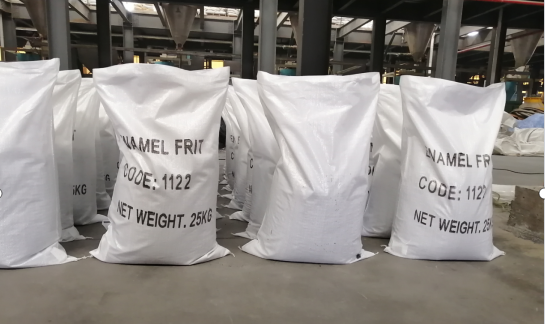


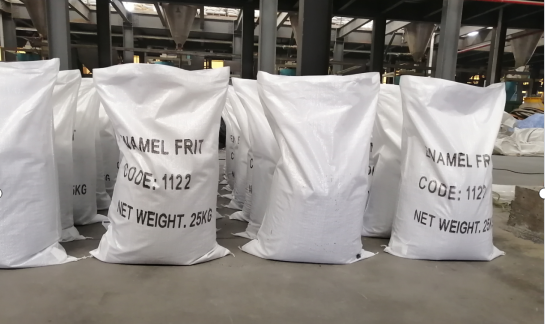
Enamel frit can be classified according to different classification standards, and the following are several common classification methods:
-
1. Classified by glazing process
|
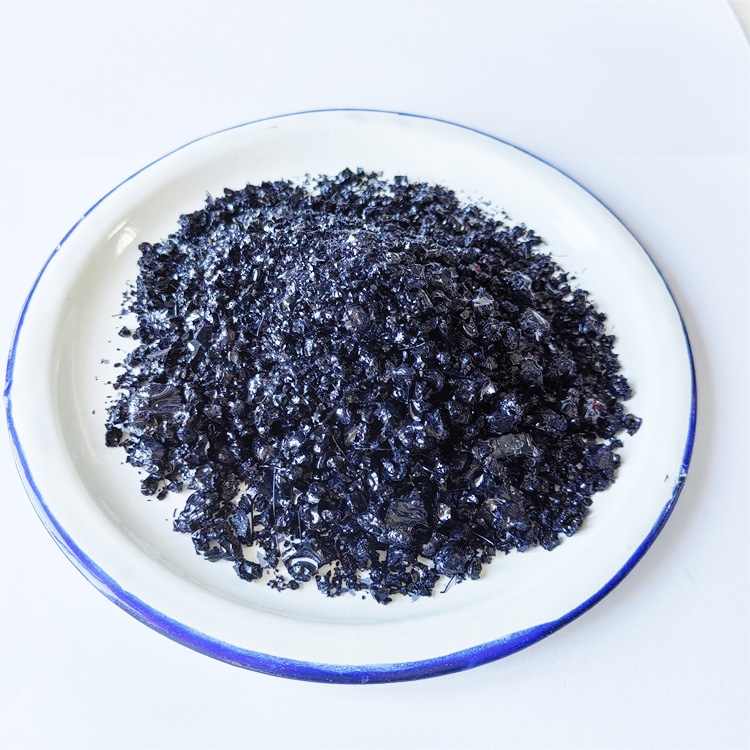
Ground coat enamel frit: Enamel frit directly coated on the body, mainly used to create a strong bond between the body and the surface enamel frit. Common base enamel frit include cobalt nickel base frit, antimony molybdenum base frit, etc. Cover coat enamel frit: Porcelain frit applied to the surface of a product, mainly used to provide the desired appearance and performance. Common cover coat enamel frit include antimony white cover coat frit, titanium white cover coat frit, colored cover coat frit, etc. Edge coat enamel frit: Porcelain frit coated on the edge of enamel products, with a special coefficient of thermal expansion and elasticity to adapt to the deformation of the edge. Common edge enamel frit include bottom edge frit, white edge frit, colored edge frit, etc. Base enamel frit : As the basis for other enamel frit, pigments can be added to synthesize frit with specific properties. For example, the cover coat frit of cast iron is generally cobalt nickel low-temperature frit (around 780 ℃), which can be directly coated on the embryo to obtain good black porcelain, while the colored cover coat frit of cast iron is approximately a combination of base frit and pigment. |
 |
-
2. Classified by metal substrate
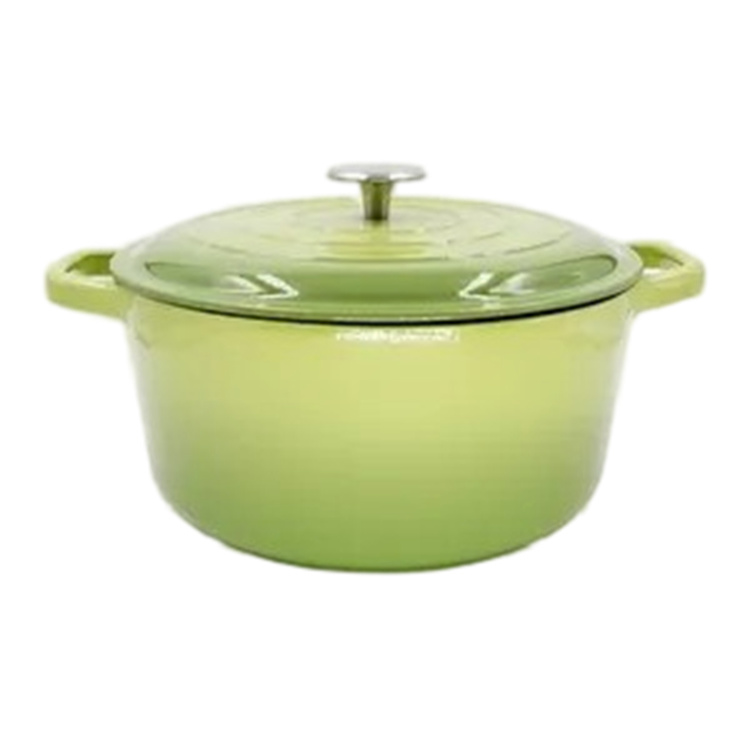 |
Cast iron enamel frit: an enamel frit specifically used for cast iron substrates, with good adhesion and wear resistance. Cast iron enamel frit also includes cast iron base frit, cast iron surface frit, colored frit, matte frit, etc. Steel plate enamel frit: Enamel frit used for steel plate substrates, requiring good adhesion to the steel plate, as well as good whiteness and gloss effects. Steel plate enamel base frit can be divided into cobalt base frit (cobalt oxide), nickel base frit (nickel oxide), cobalt nickel base frit, antimony base frit (antimony oxide), antimony molybdenum base frit (antimony oxide and molybdenum oxide), etc. according to different adhesives. Stainless steel enamel frit: enamel frit suitable for stainless steel substrates. Stainless steel enamel frit can also be divided into base frit, surface frit, primary enamel, etc., and stainless steel enamel frit can also have multiple colors. Aluminum enamel frit an enamel frit specifically used for aluminum substrates, requiring good adhesion and corrosion resistance. Aluminum enamel grinding without clay, using sodium silicate solution as a suspension agent, firing temperature between 550~600 ℃. |
-
3. Classified by functional characteristics
Acid resistant enamel frit: with a silicon dioxide content greater than 65% in its composition, it is mainly used for coating chemical machinery enamel products and has good acid resistance.
Explosion proof enamel frit: a enamel frit designed to prevent explosions during the use of enamel products, usually with special composition and structure.
Wear resistant enamel frit: By adding specific components (such as boron oxide, aluminum oxide, etc.) to improve the wear resistance of the frit, it is suitable for occasions that require resistance to friction and wear.
High temperature resistant enamel frit: a enamel frit that can maintain stability in high temperature environments, usually with a high melting point and good thermal stability.
Other characteristic enamel frit: such as alkali resistant enamel frit (often introduced with a large amount of zirconia, but chromium oxide and titanium dioxide can also be introduced to improve alkali resistance), luminescent enamel frit (with optical properties), insulating frit (high resistivity resistance frit), etc.
In summary, there are various ways to classify enamel frit and suitable enamel frit types can be selected according to specific application and process requirements.