


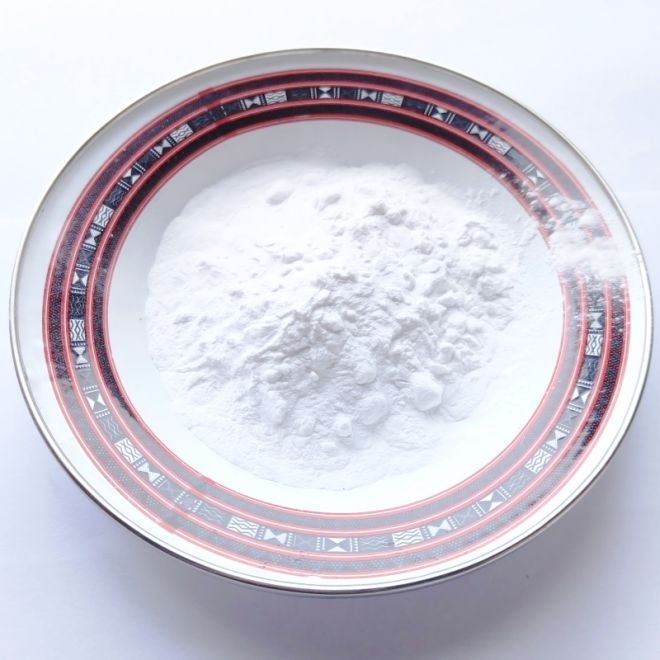
Boron oxide, also known as boric oxide or diboron trioxide (B₂O₃), plays a crucial role in the formulation of ramming mass refractory materials. These materials are widely used in industries requiring high-temperature resistance, such as steel production, glass manufacturing, and cement kilns. The incorporation of boron oxide enhances the overall performance and durability of these refractory linings.
|
One of the primary reasons for using boron oxide in ramming mass is its ability to improve the high-temperature stability of the refractory material. Boron oxide has a high melting point and exhibits excellent thermal shock resistance, which means it can withstand sudden changes in temperature without cracking or deteriorating. This property is essential for refractory materials that are exposed to extreme heat and rapid temperature fluctuations during operation. Additionally, boron oxide acts as a flux in the refractory mixture, aiding in the sintering process. It helps to form a dense, homogeneous structure by promoting the fusion of refractory particles at high temperatures. This results in a stronger, more durable refractory lining that is better able to resist wear and erosion from high-temperature processes. Moreover, boron oxide contributes to the chemical stability of the refractory material. It exhibits good resistance to attack by various slags and molten metals, ensuring that the refractory lining maintains its integrity and performance over time. This is particularly important in applications where the refractory material is in direct contact with aggressive molten materials. |
 |
In summary, boron oxide is an essential component in ramming mass refractory materials due to its high-temperature stability, fluxing properties, and chemical resistance. Its incorporation significantly enhances the durability and performance of these materials, making them ideal for use in high-temperature industrial applications.