


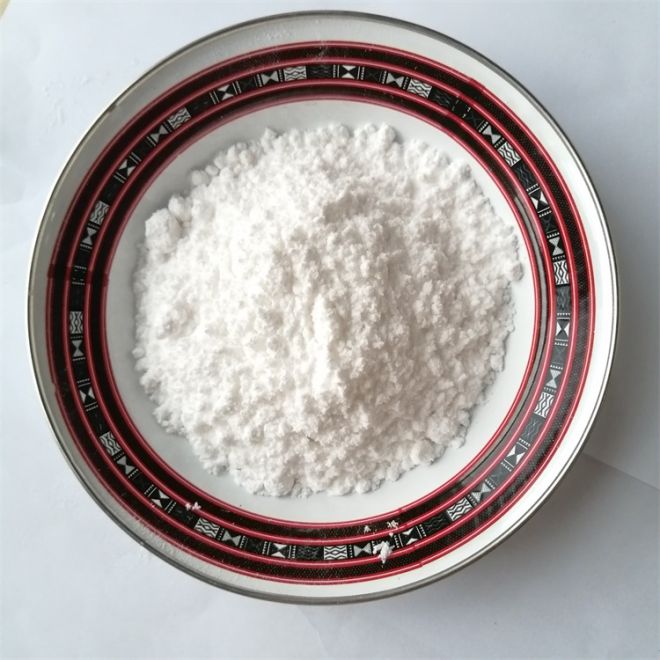
You’re staring at “Working Principle of Sulfuric Acid Magnesium Carbonate in Industry” wondering if it’s chemistry or an ancient spell, while your deadline jogs toward you like a very determined safety inspector.
Break it down: follow reaction steps, note conditions, and match them to real processes; this clear guide from the European Chemicals Agency helps you connect theory to safe practice (ECHA report).
✅ Reaction Mechanism Between Sulfuric Acid and Magnesium Carbonate in Industry
The reaction between sulfuric acid and magnesium carbonate forms magnesium sulfate, water, and carbon dioxide. Industry uses this simple acid–carbonate reaction in controlled, continuous systems.
Understanding the gas release, heat effect, and crystal behavior helps plants design safer, more stable processes and improve final product quality.
1. Basic Chemical Equation and Stoichiometry
The core reaction is: H₂SO₄ + MgCO₃ → MgSO₄ + CO₂ + H₂O. Stoichiometric balance guides feed ratios, limits waste, and improves yield in industrial reactors.
- One mole sulfuric acid reacts with one mole magnesium carbonate.
- One mole magnesium sulfate forms for each mole magnesium carbonate.
- Gas volume of CO₂ helps monitor reaction completion.
2. Reaction Pathway and Intermediate Steps
The process starts with proton attack on the carbonate ion, followed by carbonic acid formation and fast breakdown to CO₂ and water, while Mg²⁺ binds with SO₄²⁻.
- Surface dissolution of MgCO₃
- Formation of carbonic acid (H₂CO₃)
- Decomposition to CO₂ and H₂O
- Precipitation or crystallization of magnesium sulfate
3. Heat Release and Gas Evolution Behavior
The reaction is mildly exothermic and releases CO₂ bubbles. Plants control acid feed and mixing to avoid foaming, splashing, and poor heat removal.
| Parameter | Effect |
|---|---|
| Temperature rise | Speeds reaction but may cause scaling |
| CO₂ bubbles | Increase mixing but can cause foam |
| Vent design | Protects workers and equipment |
4. Impurities and Side Reactions
Natural magnesium carbonate ores may contain iron, silica, or calcium. These can form sludge, scale, or off-color magnesium sulfate crystals.
- Iron causes discoloration of crystals.
- Silica forms inert solids and filter cake.
- Calcium can form gypsum deposits on equipment.
⚙️ Process Flow: From Raw Materials to Magnesium Sulfate Formation
Industrial plants convert sulfuric acid and magnesium carbonate into saleable magnesium sulfate through grinding, controlled reaction, solid–liquid separation, and drying stages.
Each step affects particle size, solubility, filtration speed, and final purity, so engineers monitor both chemistry and physical conditions closely.
1. Raw Material Preparation and Quality Control
Producers crush and mill magnesium carbonate to increase surface area. Sulfuric acid strength is checked regularly to keep the reaction stable and predictable.
- Magnesium carbonate grade and moisture
- Acid concentration and impurities
- Storage conditions for both feeds
2. Reaction Stage and Mixing Design
The acid is usually added gradually into a stirred reactor with magnesium carbonate. Mixing promotes full contact and avoids local hot spots or unreacted cores.
| Design Item | Target |
|---|---|
| Stirrer speed | Uniform suspension |
| Acid feed rate | Control temperature and foam |
| Residence time | Near-complete conversion |
3. Solid–Liquid Separation and Crystallization
After reaction, slurry passes to filters or clarifiers. Cooling and controlled evaporation help form well-shaped magnesium sulfate crystals with good handling properties.
- Filtration type: vacuum or pressure
- Crystal size control by cooling rate
- Recycle of mother liquor to improve yield
4. Drying, Packaging, and Data Monitoring
Dryers reduce product moisture to meet storage and shipping targets. Plants track production data to keep yields and energy use within target ranges.
🧪 Factors Affecting Reaction Rate, Yield, and Product Purity
Reaction rate, yield, and purity depend on temperature, acidity, particle size, and impurity level, so operators adjust several variables together.
Careful control improves plant output and reduces waste neutralization costs.
1. Temperature, Concentration, and Mixing
Higher temperature and acid concentration usually speed the reaction but may create scale or secondary phases, so plants find an optimal operating window.
- Use moderate heat to avoid rapid CO₂ bursts.
- Keep sulfuric acid concentration in a safe, stable range.
- Apply strong mixing to reduce local pH gradients.
2. Particle Size and Raw Material Quality
Fine magnesium carbonate reacts faster but may cause thick slurries. Low impurity ores give clearer solutions and easier filtration.
| Factor | Impact |
|---|---|
| Particle size | Controls surface area and slurry viscosity |
| Moisture | Changes effective acid strength |
| Trace metals | Reduce color and purity if controlled |
3. Purification Steps and Additives
Producers sometimes add flocculants, filter aids, or seed crystals to improve clarity and crystal habit, supporting higher purity levels and more stable flow.
- Flocculants help settle fine solids.
- Seed crystals control crystal shape.
- Filter aids shorten cycle times.
🏭 Industrial Applications of Sulfuric Acid–Magnesium Carbonate Systems
This system mainly produces magnesium sulfate for fertilizers, chemical intermediates, and specialty magnesium salts.
It also plays a role in neutralization and pH control systems across several sectors.
1. Fertilizer and Agriculture
Magnesium sulfate supplies both magnesium and sulfur to crops, especially where soils show magnesium deficiency and high pH that reduce nutrient availability.
- Used in foliar sprays and soil application.
- Helps chlorophyll formation and photosynthesis.
- Improves crop yield and quality.
2. Chemical and Pharmaceutical Uses
High purity grades serve as reagents and processing aids. Some lines also use related products like Stable light magnesium carbonate for special formulations.
| Sector | Use |
|---|---|
| Chemical | Intermediate and drying agent |
| Pharma | Excipient and processing aid |
| Food | Controlled, approved grades only |
3. Environmental and Neutralization Services
Magnesium carbonate and its reaction with acids help neutralize acidic waste streams, flue gas, and by-products in many plants, including those using Sodium bicarbonate (baking soda).
- Controls pH in wastewater treatment.
- Supports flue gas cleaning systems.
- Reduces free mineral acid before discharge.
📌 Safety, Environmental Considerations, and Equipment Corrosion Control
Sulfuric acid–magnesium carbonate systems need strict safety, emission control, and anti-corrosion plans to protect workers and assets.
Proper design reduces leaks, unscheduled shutdowns, and long-term maintenance costs.
1. Worker Safety and Handling Practices
Operators must protect against acid burns, hot slurry, and CO₂ exposure with training, personal protective equipment, and good ventilation.
- Use acid-resistant gloves, goggles, and face shields.
- Install local exhaust near reactors.
- Provide eyewash and safety shower stations.
2. Gas, Effluent Treatment, and Solid Waste
Plants must vent CO₂ safely and treat any acidic wastewater before release. Solid waste may include filter cakes with inert minerals.
| Stream | Control Method |
|---|---|
| CO₂ vent | Vent stack with monitoring |
| Liquid effluent | Neutralization and pH control |
| Solid cake | Reuse or regulated disposal |
3. Corrosion Control and Material Selection
Sulfuric acid attacks many metals, especially at higher temperatures, so designers choose resistant alloys, linings, and seal materials.
- Use rubber-lined or FRP equipment where suitable.
- Select acid-resistant pumps and valves.
- Apply routine inspection and thickness checks.
Conclusion
Sulfuric acid reacting with magnesium carbonate forms a simple but highly useful system for making magnesium sulfate and related products.
By controlling temperature, mixing, raw material quality, and corrosion, industry can achieve high yields, stable purity, and safe, reliable plant operation linked with materials like 99.2% stable high-purity barium carbonate.
Frequently Asked Questions about sulfuric acid magnesium carbonate
1. What is the main product of sulfuric acid and magnesium carbonate?
The main product is magnesium sulfate, along with water and carbon dioxide gas. Plants can adjust conditions to obtain specific hydrates such as heptahydrate crystals.
2. Why is temperature control important in this reaction?
Temperature strongly affects reaction rate, CO₂ release, and scaling. Too much heat can cause foaming, equipment stress, and changes in crystal size distribution.
3. How do impurities in magnesium carbonate affect product quality?
Impurities like iron, silica, and calcium can discolor crystals, form scale, and increase filter cake volume. Pre-treatment and proper filtration help minimize these impacts.
4. Is the reaction between sulfuric acid and magnesium carbonate dangerous?
It can be hazardous if handled poorly because sulfuric acid is corrosive and CO₂ displaces air. Good design, ventilation, and protective equipment keep risk low.
5. Where is industrial magnesium sulfate mainly used?
It is used in fertilizers, chemical processing, pharmaceuticals, textiles, and some food-grade applications, depending on purity level and regulatory standards.