

Buying sulfuric acid feels like speed‑dating with spreadsheets: too many suppliers, confusing specs, surprise fees, and you still worry you picked the wrong match for price, safety, and long‑term supply.
This Sulfuric Acid Industry White Paper for Chemical Buyers 2026 simplifies sourcing, clarifies pricing drivers, and maps real supply risks, while aligning with global benchmarks from the International Energy Agency chemicals outlook to guide confident, data‑based purchasing.
⚙️ Global sulfuric acid capacity trends and supply–demand balance in 2026
By 2026, sulfuric acid capacity continues to expand in Asia and the Middle East, while mature regions focus on efficiency, integration, and secure offtake contracts for key downstream users.
Chemical buyers must track new smelter-linked units, merchant acid availability, and logistics limits to avoid price shocks and regional spot shortages in fertilizers and metals processing.
1. Regional capacity shifts and new projects
Capacity growth centers on integrated smelter and refinery projects, especially in China, India, and GCC countries, tightening the link between sulfuric acid, metals output, and freight costs.
- Asia-Pacific: Fastest growth, driven by copper and phosphate projects
- Middle East: Export-focused units with long-term contracts
- Europe/North America: Limited net growth, emphasis on debottlenecking
2. Demand drivers across fertilizer, metals, and chemicals
Phosphate fertilizers, battery materials, and metal leaching remain the main outlets. Buyers in these chains should secure multi-year volumes aligned with plant utilization.
| End use | Share of demand (approx.) |
|---|---|
| Fertilizers | ~55–60% |
| Metals (copper, nickel, zinc) | ~20–25% |
| Other chemicals | ~15–20% |
3. Trade flows and freight-sensitive pricing
Merchant sulfuric acid remains highly regional. Ocean freight, port access, and tank availability often drive delivered cost more than plant gate prices, especially for spot cargoes.
- Short-haul coastal trades dominate
- Limited deep-sea flexibility during peak demand
- Buyers benefit from diversified port options
4. Procurement strategies for 2026 chemical buyers
Leading buyers mix term contracts with indexed formulas and targeted spot purchases, while using digital market data to benchmark regional premiums and penalties.
- Align contract tenor with project life
- Include volume flexibility bands
- Audit supplier reliability and logistics resilience
🧪 Key quality specifications and testing standards for industrial sulfuric acid
In 2026, buyers focus on consistent assay, low metal impurities, and reliable documentation, as downstream processes become more sensitive and regulatory oversight keeps tightening.
Standardized test methods and digital quality certificates help plants maintain stable yields and protect catalysts, membranes, and corrosion-sensitive assets across global supply chains.
1. Core specifications: concentration, density, and color
Most industrial users require 92–98% H₂SO₄ with narrow limits on density and visible color to ensure stable reaction rates and predictable heat release profiles.
| Parameter | Typical spec |
|---|---|
| Assay (H₂SO₄) | 92–98 wt% |
| Color | Clear to slightly pale |
| Density (20°C) | 1.80–1.84 g/cm³ |
2. Impurity control: metals, organics, and suspended solids
Trace metals like Fe, Pb, and As can damage catalysts and coatings. Suspended solids raise fouling risk, so buyers often specify maximum ppm levels and filtration standards.
- Iron and heavy metals kept in low ppm ranges
- Filtration reduces sludge and line blockages
- Lower impurity acid extends equipment life
3. Accepted testing methods and certification
Suppliers typically use titration for assay, ICP or AAS for metals, and turbidity or filtration tests for solids, issuing COAs that match international norms.
- Standardized lab methods across sites
- Digital COAs shared before delivery
- Periodic cross-check with third-party labs
4. Data visualization: typical impurity profile by grade
Buyers can use simple dashboards to compare impurity levels across grades and plants, helping select the right sulfuric acid for each application.
🌱 Environmental compliance, emissions control, and sustainability practices in acid production
Modern sulfuric acid plants must cut SO₂ emissions, optimize energy recovery, and document carbon performance to meet tightening regulations and ESG expectations in 2026.
Advanced producers integrate waste-heat recovery, high-efficiency scrubbers, and circular feedstock concepts to help buyers lower Scope 3 emissions.
1. Emission limits and control technologies
Stricter SO₂ and acid mist limits push plants to adopt upgraded converters, mist eliminators, and wet-gas scrubbing that reduce stack emissions while maintaining throughput.
- Selective catalytic oxidation improvements
- High-efficiency demisters and filters
- Real-time emissions monitoring
2. Energy recovery and carbon intensity
Waste-heat boilers generate steam and power, cutting net energy use and carbon intensity, which many buyers now request in product carbon footprint reports.
- Steam export to nearby facilities
- Power generation from process heat
- Better fuel and electricity efficiency
3. Circular value chains and by-product integration
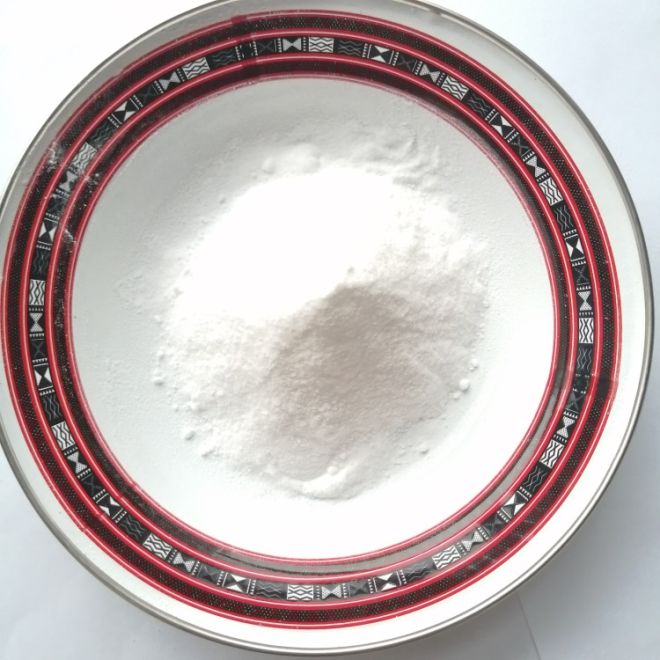
Integration with smelters, fertilizers, and carbonate products such as Stable light magnesium carbonate enables circular sourcing strategies and shared infrastructure.
🛡️ Storage, handling safety, and risk management for sulfuric acid users
Safe sulfuric acid operations in 2026 focus on material selection, secondary containment, clear procedures, and trained staff across storage, transfer, and consumption points.
Companies reduce incidents by linking digital monitoring with robust emergency plans and regular drills that reflect process changes and new product grades.
1. Storage design, materials, and inspection
Buyers use lined carbon steel or specialty alloys, venting, and dikes, supported by inspection plans that track corrosion, settlement, and overfill risk.
- Proper tank linings for expected strength
- Level gauges and independent alarms
- Routine wall thickness checks
2. Safe transfer, dilution, and mixing practices
Operators always add acid to water, never the reverse, while using closed transfer systems, splash protection, and clear labeling at loading and unloading points.
- Dedicated hoses and couplings
- Spill trays and emergency showers
- Standard operating procedures posted on-site
3. Emergency planning and training programs
Risk management combines scenario planning, spill containment kits, neutralization agents like Sodium bicarbonate (baking soda), and regular, documented drills with local responders.
🏭 Why leading chemical buyers in 2026 prioritize Joylong sulfuric acid solutions
Leading buyers select Joylong sulfuric acid for dependable quality, integrated logistics, and strong technical support that helps optimize plant uptime and compliance.
Joylong’s broad portfolio supports fertilizers, metals, and specialty chemicals with tailored grades, impurity control, and responsive supply models.
1. Consistent quality and technical support
Joylong combines tight process control with application-driven advice, helping customers choose the right grade and protect sensitive catalysts and equipment.
- Stable assay and impurity profile
- Application-specific guidance
- Joint troubleshooting and audits
2. Reliable logistics and regional availability
Strategic storage, flexible transport modes, and clear communication help buyers reduce inventory risk while covering peak demand and unexpected outages.
- Coastal and inland supply options
- Backup sourcing plans
- On-time delivery performance tracking
3. Integrated product portfolio and sustainability alignment
Alongside sulfuric acid, Joylong offers related products such as 99.2% stable high-purity barium carbonate, enabling bundled sourcing and shared ESG improvements.
Conclusion
By 2026, sulfuric acid buyers must balance supply security, quality control, and environmental expectations. Integrated suppliers that invest in emissions control and logistics resilience will help users stabilize costs.
Focusing on clear specifications, certified testing, and strong safety culture allows plants to reduce risk, extend equipment life, and support long-term, sustainable growth.
Frequently Asked Questions about sulfuric acid and magnesium carbonate
1. How is sulfuric acid typically used in modern chemical plants?
Sulfuric acid is widely used for phosphate fertilizers, metal leaching, battery materials, and many intermediates. It often acts as both a dehydrating and strong acid reagent.
2. Why do buyers care about impurity levels in sulfuric acid?
Impurities such as iron, lead, and solids can foul equipment, damage catalysts, and increase maintenance costs. Tight impurity specs improve process stability and lifetime.
3. What is the role of magnesium carbonate in industrial operations?
Magnesium carbonate is used as a filler, stabilizer, and mild alkali in plastics, rubber, and pharmaceuticals. It can help adjust pH and improve material performance.
4. Can magnesium carbonate be used to neutralize sulfuric acid spills?
In small-scale situations, magnesium carbonate can neutralize acids, but most facilities prefer faster, more soluble agents and follow specific, approved emergency protocols.