

Wondering why your enamel coatings chip faster than your Monday motivation? If your cookware, signs, or panels look like they survived a rock concert, your real problem might be skipping the enamel ground coat frit.
Use enamel ground coat frit as the bonding hero between metal and topcoat enamel. It boosts adhesion, cuts defects, and improves durability, as industry studies confirm (authoritative report).
🔹 Definition and Basic Properties of Enamel Ground Coat Frit
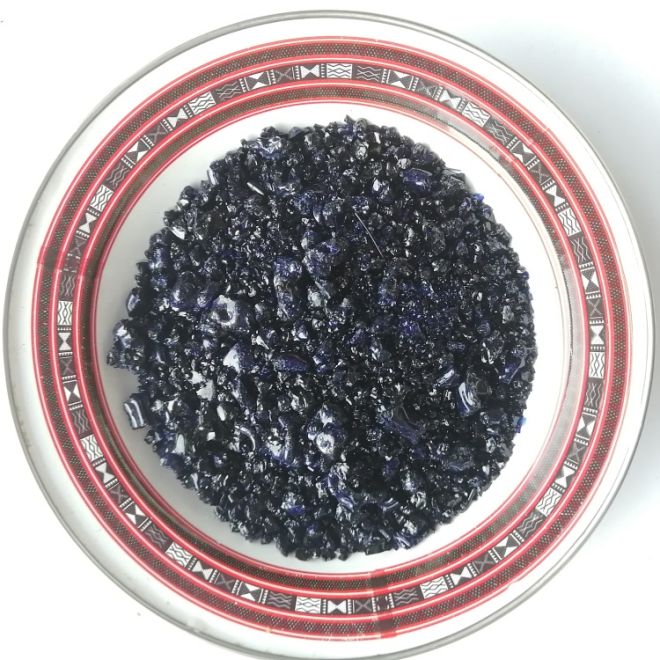
Enamel ground coat frit is a glassy material applied directly to metal. It forms a strong, stable base layer that improves adhesion and long‑term durability.
This base coat evens the metal surface, resists rust, and prepares it for bright cover coats, decorative designs, and food‑safe top enamels.
1. Key Chemical Composition
Ground coat frits usually contain silica, boron, alkali oxides, and small amounts of cobalt, nickel, or manganese to boost metal bonding and prevent defects.
- Silica: forms the glass network
- Boron: lowers melting temperature
- Oxides: tune expansion and hardness
- Metal oxides: improve adhesion to steel
2. Main Physical Properties
These frits melt at medium temperatures and cool into a dense, smooth glass layer with controlled expansion close to steel or cast iron.
| Property | Typical Feature |
|---|---|
| Firing range | 800–880°C |
| Thermal expansion | Matched to steel |
| Hardness | High surface hardness |
3. Role as a Functional Base Layer
The ground coat acts as a bridge between raw metal and cover enamel, blocking corrosion and holding upper layers under cooking and cleaning stress.
4. Difference from Cover and Direct‑On Frits
Ground coat frit is not mainly for color. It prepares the metal so cover coats and Direct On Enamel Frit Applied to Enamel Cookware / Gas stove / BBQ. perform at their best.
🔹 How Ground Coat Frit Improves Metal–Enamel Bonding Strength
Ground coat frit melts into the cleaned metal surface, creating a micro‑interlocking layer that greatly increases bond strength and impact resistance.
This bond helps prevent chipping and peeling during heating, cooling, and daily use in cookware, grills, and home appliances.
1. Chemical Bond Formation
During firing, metal oxides on the steel react with frit components, forming a strong chemical interface that resists separation.
2. Mechanical Anchor Effect
The molten frit flows into tiny surface roughness on the steel, then locks in after cooling to create a tight mechanical grip.
3. Stress Distribution Under Thermal Shock
Matching expansion values allow the ground coat to spread stress across the surface, reducing cracks from rapid heating or cooling.
| System | Thermal Shock Resistance |
|---|---|
| No ground coat | Low |
| With ground coat | High |
4. Support for Cover Coat Performance
A strong ground coat allows bright Cover Coat Enamel Frit for BBQ Oven, Grill and Enamel Bathtub layers to remain smooth, glossy, and chip‑resistant for many years.
🔹 Applications of Ground Coat Frit in Cookware and Kitchen Utensils
Ground coat frit is widely used as the first enamel layer on cookware, giving pots, pans, and bakeware a durable and safe base.
1. Enamel Cookware and Pans
Cast iron and steel pots, casseroles, and frying pans use ground coats to stop rust and hold colored outer enamels in place.
- Stable during high‑heat cooking
- Improved impact and chip resistance
- Better long‑term gloss on top coats
2. Bakeware and Oven Trays
Baking dishes and trays rely on ground coats to prevent warping and surface flaking after repeated oven cycles and cleaning.
3. Kitchen Accessories and Small Utensils
Mugs, kettles, storage jars, and ladles often use ground coat frit to improve hygiene, color stability, and easy‑clean surfaces.
🔹 Corrosion and Wear Protection Using Enamel Ground Coat Frit
Ground coat frit forms a dense barrier that blocks moisture, salts, and stains from reaching the metal, greatly reducing rust and wear.
1. Barrier Against Rust and Chemicals
The continuous glass layer stops water and food acids from touching steel, even along edges and corners when applied correctly.
- Prevents red rust on cookware
- Improves resistance to food acids
- Extends service life in harsh kitchens
2. Resistance to Scratching and Abrasion
High surface hardness helps the enamel withstand contact with utensils and cleaning pads better than many painted coatings.
3. Protection in Industrial and Construction Uses
In tanks, panels, and building parts, ground coat frits like Ground Coat Enamel Frits for Cookware, Household Appliance, Construction etc. provide durable, chemical‑resistant linings.
🔹 Choosing Reliable Ground Coat Frit, Prefer Professional Manufacturer Joylong
Selecting a stable, well‑designed ground coat frit is critical. Joylong offers formulas tuned for cookware, grills, stoves, and industrial equipment.
1. Consistent Quality and Performance
Professional production control ensures each batch fires within the same temperature range and delivers predictable adhesion and surface quality.
| Factor | Benefit |
|---|---|
| Stable formula | Reliable bonding |
| Clean frit | Fewer defects |
2. Application and Firing Support
Joylong can advise on steel selection, surface prep, slurry control, and firing curves to help producers lower rejects and improve finish.
3. Custom Solutions for Different Markets
From cookware and gas stoves to BBQ grills and appliances, Joylong tailors ground coat frits to match specific metal grades and lines.
Conclusion
Enamel ground coat frit plays a key role in metal enamel systems. It builds strong bonding, resists corrosion, and supports bright, durable cover coats.
By choosing a reliable manufacturer and matching frit to metal and firing conditions, producers can achieve high‑quality cookware, grills, and industrial enamel parts.
Frequently Asked Questions about enamel ground coat frits
1. What is enamel ground coat frit used for?
It is used as the first enamel layer on metal. It improves adhesion, stops rust, and prepares the surface for decorative and food‑contact cover coats.
2. Can ground coat frit be used alone without a cover coat?
Yes, but it is mainly functional, not decorative. Many products still add cover coats for color, gloss, and better stain resistance.
3. What metals are suitable for ground coat frit?
Low‑carbon steel and cast iron are most common. Some special frits can work on stainless steel or other alloys with adjusted firing conditions.
4. How does firing temperature affect bonding?
If the temperature is too low, bonding is weak. If it is too high, defects can form. Correct firing range ensures strong, flexible bonds.
5. Is enamel ground coat frit safe for food‑contact cookware?
When you use approved formulas and follow correct firing processes, the final enamel system is stable, non‑porous, and safe for normal food use.