


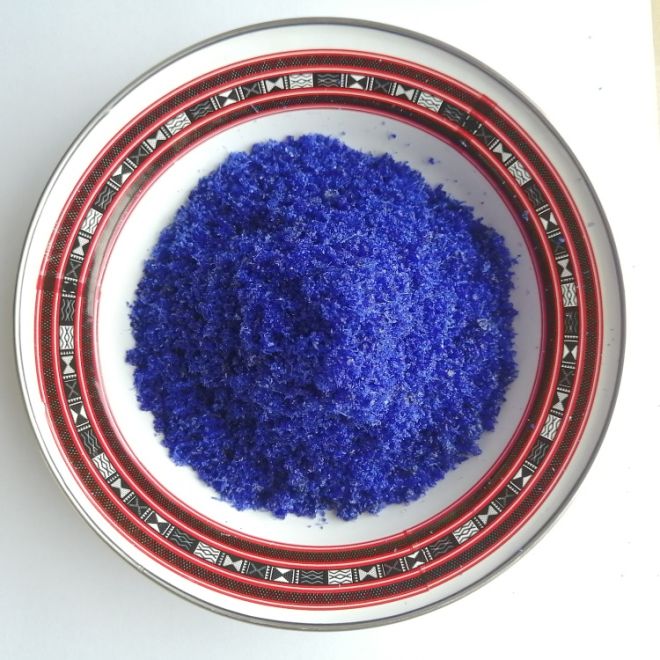
Trying to match transparent enamel frit with metal feels like online dating for materials: great photos, zero chemistry, and lots of cracking under pressure.
Use controlled thermal expansion data and enamel–metal compatibility charts, like those in this materials engineering report, to pair frit and metal safely.
🔬 Thermal expansion matching between transparent enamel frit and various metals
Transparent enamel frit must expand and contract at a rate close to the metal. Proper thermal expansion matching stops peeling, pinholes, and long‑term loss of gloss.
Designers should compare coefficients of thermal expansion (CTE) for frit and metal, then optimize enamel layer thickness, firing curve, and cooling rate for stable performance.
1. Matching frit with low‑carbon steel
Low‑carbon steel suits many transparent enamels because its CTE is close to enamel glass. Use a ground coat to block rust and balance stress.
- Typical CTE: 11–13 ×10⁻⁶/K
- Prefer slightly lower frit CTE for safe compressive stress
- Ideal for cookware and household appliances
2. Matching frit with cast iron
Cast iron expands less than steel, so transparent frit must tolerate higher compression without cracking. Smooth casting and clean surfaces are critical.
| Property | Cast Iron | Transparent Frit Target |
|---|---|---|
| CTE | 9–11 ×10⁻⁶/K | 10–12 ×10⁻⁶/K |
| Use | Cookware | Glossy, chip‑resistant coatings |
3. Matching frit with stainless steel
Stainless steel offers high corrosion resistance but poor direct wetting. You usually need a special ground coat enamel to match CTE and bond strength.
- CTE varies by grade; test each alloy
- Careful pre‑oxidation improves enamel adhesion
- Slow cooling helps avoid edge cracking
4. Matching frit with aluminum and copper
Aluminum and copper show high CTE and fast heat transfer. Transparent frits must be flexible and fired with precise, often lower, peak temperatures.
- Sharp gradients easily cause crazing
- Thin, even coats reduce stress
- Special primer layers improve match
🧪 Chemical bonding mechanisms of transparent frit on steel, copper, and aluminum
Transparent frit bonds to metals by forming oxide layers and chemical bridges. Proper cleaning and controlled oxidation give strong adhesion and long service life.
Each metal forms different oxides, so frit formulations adjust boron, alkali, and other oxides to create durable glass‑metal interfaces.
1. Bonding with steel substrates
On steel, iron oxides react with the frit during firing. They form a mixed spinel layer that keys enamel tightly to the substrate.
- Degrease and shot‑blast first
- Use Ground Coat Enamel Frits for Cookware, Household Appliance, Construction etc. to create a strong base
- Avoid over‑oxidation, which weakens adhesion
2. Bonding with copper
Copper forms cuprous and cupric oxides that dissolve partly into the frit. This gives excellent wetting and rich color depth under transparent enamel.
| Aspect | Effect on Bond |
|---|---|
| Cu₂O layer | Promotes strong chemical interaction |
| Clean surface | Reduces blisters and pinholes |
3. Bonding with aluminum
Aluminum instantly forms a tough alumina film. Special frit chemistries must soften this film enough to bond, without dissolving it completely.
- Use controlled etching or conversion coatings
- Low‑temperature frits reduce warping
- Thin coats improve reliability
4. Comparative bonding strength data
Below is sample data comparing relative bonding strength of transparent frit on steel, copper, and aluminum under similar firing conditions.
💡 Preventing cracking and crazing in transparent enamel coatings on metals
To prevent cracking and crazing, keep thermal stress low, surfaces clean, and firing cycles stable. Matching CTE and coat thickness is essential.
1. Control of coating thickness
Excessive enamel thickness traps stress and air. Use even, moderate thickness to keep transparent layers clear and resistant to impact and heat shock.
- Check wet thickness with gauges
- Use multiple thin coats instead of one thick coat
2. Optimized firing and cooling cycles
Rapid temperature changes create high stress. Use controlled heating and slow cooling, especially through the glass transition range of the frit.
- Avoid sudden quenching from peak temperature
- Monitor furnace zones regularly
3. Stress management by substrate design
Sharp corners and uneven wall thickness concentrate tension. Smooth radii and uniform sections help transparent enamel survive heavy use.
| Design Issue | Risk | Recommendation |
|---|---|---|
| Sharp edges | Edge chips | Use rounded corners |
| Thick bosses | Local stress | Balance wall thickness |
🛠️ Processing parameters for firing transparent enamel frit on metal substrates
Correct firing parameters lock in gloss, color, and adhesion. Adjust time and temperature for each metal and transparent frit type.
1. Surface preparation and cleaning
Any oil, rust, or dust weakens bonding. Combine mechanical cleaning and chemical treatment to give a fresh, slightly rough surface.
- Degrease, rinse, and dry quickly
- Use shot‑blasting or pickling where needed
2. Firing temperature and holding time
Transparent frit usually fires between 780–860 °C for steel and cast iron. Use just enough time to flow and level without over‑firing.
| Substrate | Typical Peak (°C) | Hold Time (min) |
|---|---|---|
| Steel | 800–830 | 3–6 |
| Cast iron | 790–820 | 4–7 |
3. Atmosphere and line control
Stable kiln atmosphere avoids discoloration and blisters. Control conveyor speed, air flow, and stacking to keep heating uniform.
- Prevent direct flame impingement
- Keep part spacing consistent
🏭 Recommended transparent enamel frit solutions from Joylong for metal applications
Joylong offers optimized transparent enamel frit systems for cookware, ovens, grills, and sanitary ware, engineered for strong bonding and clear, bright finishes.
1. Systems for BBQ ovens, grills, and bathtubs
For high heat and moisture exposure, Joylong recommends combining transparent frits with Cover Coat Enamel Frit for BBQ Oven, Grill and Enamel Bathtub to ensure strong coverage and easy cleaning.
2. Systems for premium cast iron cookware
To protect cast iron from rust and staining, pair transparent enamels with Cast Iron Enamel Frit for High End Enamel Cookware, designed for repeated thermal cycling and rich color depth.
3. Integrated ground and transparent coat solutions
Using matched ground and transparent frits improves bonding and visual quality. Joylong systems help reduce rejects while keeping production conditions stable and easy to control.
Conclusion
Transparent enamel frit must match both the thermal and chemical behavior of each metal. Proper surface preparation, firing control, and product selection greatly improve durability and appearance.
By combining optimized transparent frits with suitable ground and cover coats, manufacturers can achieve consistent, high‑quality enamel finishes on steel, cast iron, copper, and aluminum.
Frequently Asked Questions about transparent enamel cover frits
1. Why does my transparent enamel show fine surface lines (crazing)?
Crazing usually means the frit contracts more than the metal. Check CTE matching, reduce coating thickness, and slow the cooling cycle to lower tensile stress.
2. Can one transparent frit work on all metals?
Usually not. Steel, cast iron, copper, and aluminum expand differently and form different oxides. You need tailored frit systems and firing curves for each substrate.
3. How do I improve adhesion on stainless steel?
Use a suitable ground coat, clean and lightly roughen the surface, then apply a correctly fired transparent cover frit. Avoid overheating, which can weaken the bond.
4. What firing temperature is best for transparent enamel on cookware?
For most steel and cast iron cookware, 800–830 °C with a short hold works well. Always confirm settings with the frit supplier’s technical data.