

Buying borate fertilizer for the first time can feel like shopping for alien plant food—too many labels, strange numbers, and you’re just hoping you don’t accidentally invent glow-in-the-dark tomatoes.
This guide breaks it down simply: what boron does, how much you actually need, and how to avoid overdoing it, based on research from the Food and Agriculture Organization.
🌱 Understanding What Borate Fertilizer Is And Why Crops Need It
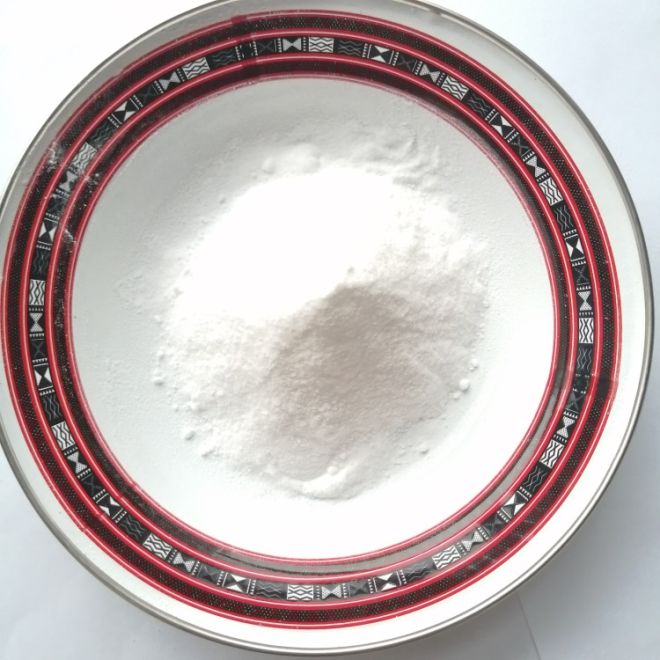
Borate fertilizer supplies boron, a key micronutrient for roots, flowers, and grain set. First-time buyers should match product type and rate to local soil tests.
Good borate use supports strong stems, better pollination, and higher yields across fruits, vegetables, and field crops.
1. What Boron Does Inside The Plant
Boron helps move sugars, build cell walls, and support new growth points. Without it, plants grow slowly and set fewer fruits or seeds.
- Stronger stems and roots
- Better flowering and fruit set
- Improved grain fill and size
2. Common Types Of Borate Fertilizers
First-time buyers usually choose between soil-applied granular borates and foliar sprays. Pick a form that fits your crop and equipment.
| Type | Use | Notes |
|---|---|---|
| Granular borate | Pre-plant soil | Longer effect, needs even spread |
| Soluble borate | Foliar/through drip | Quick fix, lower rates |
3. When Borate Works Best With Other Inputs
Borate fertilizers often work in full nutrition plans that may also use products like Lead Nitrate for non-ag uses, or enamel and fluorosilicate products in processing lines.
- Blend only with compatible fertilizers
- Check label for mixing rules
- Run a small jar test first
4. Soil And Water Factors To Check First
Sandy, low-organic soils and high rainfall zones often need more boron. High-pH soils may tie up boron, so testing matters before you buy.
- Soil test for hot-water boron
- Check irrigation water quality
- Review past yield maps
🧪 Key Signs Your Soil May Be Deficient In Boron
Boron shortage shows up first in young tissues. Watch for misshapen leaves, poor flowering, and hollow or cracked stems or fruits.
Use a mix of field scouting, lab tests, and yield data to confirm boron deficiency before adjusting fertilizer rates.
1. Visual Symptoms In Major Crops
Symptoms differ by crop but often include brittle leaves, stubby roots, and poor ear or pod set even under good water and nitrogen.
- Corn: small ears, missing kernels
- Oilseeds: poor pod fill
- Vegetables: cracked or hollow stems
2. Using Soil And Tissue Tests
Combine soil boron tests with leaf analysis at key growth stages. This gives a clearer picture than visual checks alone.
| Test | Timing | Target Range* |
|---|---|---|
| Soil (hot-water B) | Pre-plant | 0.5–1.0 ppm |
| Leaf tissue | Early bloom | Crop-specific |
*Ranges vary by crop; follow local lab guides.
3. Simple Data View Of Boron Deficiency
The chart below is an example of how corn yield may drop as soil boron falls. Use it only as a guide, not a fixed rule.
4. Other Causes That Look Like Boron Deficiency
Do not mistake disease, drought, or herbicide injury for boron lack. Check patterns and field history before buying more borate.
- Compare affected and healthy zones
- Review spray and weather records
- Confirm with lab tests
📏 How To Calculate The Right Borate Fertilizer Rate For Fields
First-time buyers should base borate rates on soil tests, crop need, and product boron content to avoid both shortage and toxicity.
Always follow label rules and adjust slowly over seasons.
1. Start With Soil Test And Crop Removal
Use lab results to find how much boron the soil lacks, then compare with standard crop removal rates to set a safe starting target.
- Note test level (ppm B)
- Check local crop guides
- Aim for small yearly gains
2. Convert Needed Boron Into Product Rate
Divide the required boron per hectare by the fertilizer’s boron percentage. This gives the field application rate in kg/ha.
| Needed B (kg/ha) | Product % B | Product rate (kg/ha) |
|---|---|---|
| 1.0 | 15% | 1.0 / 0.15 = 6.7 |
3. Adjust For Application Method
Broadcast, banded, and foliar borate need different rates. Foliar needs less boron per pass but may require more passes.
- Broadcast: lower cost per ha
- Banded: more targeted use
- Foliar: quick rescue option
🧴 Why First-Time Users Should Choose Joylong Borate Fertilizer Products
Joylong offers stable borate sources, clear labels, and strong quality control, which help new buyers apply boron safely and effectively.
Their products fit well into modern fertigation, foliar, and bulk blending systems.
1. Reliable Purity And Consistent Granule Quality
Stable purity and even granule size support accurate spreading, uniform boron supply, and better mixing with other dry fertilizers.
- Low impurity levels
- Good flow in spreaders
- Less dust and caking
2. Wide Product Line For Different Industries
Beyond agriculture, Joylong also supplies High-purity industrial-grade white powder sodium fluorosilicate and Enamel electrostatic powder is used for steel surface treatment, showing strong chemical and process know-how.
3. Support For First-Time Bulk And Wholesaler Orders
Joylong works with international buyers on packing, documentation, and shipping, helping new customers manage import and storage with less risk.
- Flexible bag sizes and labels
- COA and test reports
- Guidance on safe warehousing
🛡️ Safe Handling, Storage, And Application Tips For Borate Fertilizers
Even though borate fertilizers are widely used, you should handle, store, and apply them with care to protect workers, crops, and water.
Train staff and keep simple written rules on site.
1. Personal Protection And Mixing Safety
Use basic PPE when handling borate dusts and solutions. Avoid eating, drinking, or smoking while working with fertilizers.
- Wear gloves and eye protection
- Use dust masks in closed spaces
- Wash hands after handling
2. Storage Conditions And Spill Control
Store borate fertilizers in dry, well-ventilated areas away from direct rain or heat. Keep pallets off the floor where flooding may occur.
| Factor | Best Practice |
|---|---|
| Moisture | Keep bags dry and sealed |
| Spills | Sweep up and reuse or dispose safely |
| Labeling | Leave product tags intact |
3. Field Application And Drift Management
Apply borate evenly and avoid double overlaps, especially on light soils. Keep sprays away from open water and non-target crops.
- Calibrate spreaders and sprayers
- Check wind and weather forecast
- Record rates and field locations
Conclusion
First-time borate fertilizer buyers should start with soil and tissue tests, then choose a reliable product and safe rate. Boron is vital but easy to overdo.
Working with a trusted wholesaler in China, such as Joylong, helps ensure consistent quality, safe handling, and strong crop results season after season.
Frequently Asked Questions about high content borate fertilizer wholesaler in china
1. How do I choose a reliable high content borate fertilizer wholesaler in China?
Check factory certifications, product COAs, export experience, and customer references. Review sample test results and confirm clear labels showing boron content and recommended uses.
2. What boron content is common in high content borate fertilizers?
Many high content borate products carry 10–21% boron, depending on the chemical form. Always match the boron percentage with your target field rate calculations.
3. Can I blend high content borate fertilizer with NPK in bulk?
Often yes, but you must confirm compatibility. Run a jar test, follow supplier advice, and avoid mixes that may cake, separate, or react in storage.
4. What documents should a Chinese wholesaler provide for export?
Ask for invoices, packing lists, MSDS, COA, origin certificate, and any needed local registrations. These help with customs clearance and quality tracking at your end.
5. How can I avoid boron toxicity when using high content borate products?
Use soil tests, apply low rates on sandy soils, and avoid repeated heavy doses. Follow the label exactly and increase rates slowly over several seasons.