

You want the perfect high boron material, but “granular vs. powder” feels like choosing pasta shapes at the store—different forms, same confusion, and you just hope production doesn’t turn into a sticky mess.
To fix this, match particle size to your process: choose granular for uniform blending and easier handling, and powder for tighter control in precision applications, guided by data-backed standards like this ASTM particle size analysis report.
1. ✅ Composition differences between high boron granular and powder type materials
High boron granular and powder types share similar chemical bases but differ in particle size, additives, and flow behavior. These variations strongly affect reaction speed and process control.
Choosing the right form helps stabilize melting behavior, reduce dust, and match downstream needs such as ramming mixes, fluxes, or enamel frit production.
1.1 Chemical purity and matrix phases
Both types usually use high-purity boron compounds. Granular grades often include binders, while powder forms stay closer to pure oxides or borates.
- Powder: fast dissolution, high surface area
- Granular: slower release, more stable feed
1.2 Particle size distribution
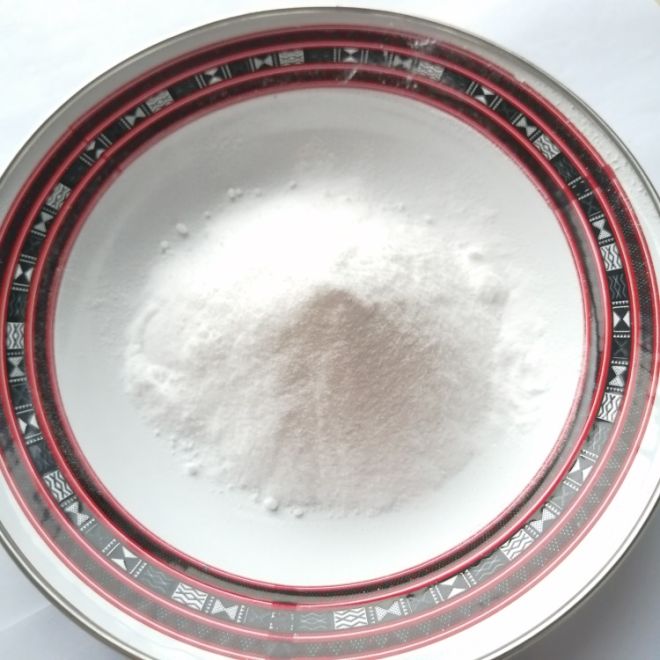
Powder types are fine, often below 200 mesh. Granular materials use controlled size ranges that feed evenly and reduce segregation.
| Form | Typical size |
|---|---|
| Powder | >200 mesh |
| Granular | 0.5–3 mm |
1.3 Additives and functional modifiers
Granular products may include anti-caking agents, flux boosters, or pressing aids. Powder types often blend directly with silica or alumina.
- Improved flow and storage stability
- Tailored melting point and viscosity
1.4 Relation to allied products
High boron powders are often co‑used with Boron Oxide 98% 120mesh/200mesh for Ramming Mass and High-purity industrial-grade white powder sodium fluorosilicate to fine‑tune slags, refractories, and flux systems.
2. 🧪 Performance comparison in metallurgical and welding applications
In steelmaking, surfacing, and welding fluxes, granular high boron ensures smooth feeding, while powder grades deliver rapid reaction and tight composition control.
Choosing between them depends on furnace design, feeding system, dust limits, and required slag or weld metal chemistry.
2.1 Melting and dissolution behavior
Powder dissolves quickly into slags and weld pools. Granular types melt more gradually, which can stabilize temperature and chemistry profiles.
| Form | Relative melting speed |
|---|---|
| Powder | High |
| Granular | Medium |
2.2 Slag fluidity and refining efficiency
High boron powder often gives faster desulfurization and dephosphorization, while granular forms help keep slags less foamy and easier to tap.
- Better wetting of inclusions
- More stable slag layer with granular feed
2.3 Welding flux and hardfacing performance
In submerged arc welding, finer boron powder supports alloy pickup and arc stability. Granular blends reduce dust in flux handling systems.
- Improved bead shape
- Higher wear resistance in hardfacing
2.4 Example data comparison (illustrative)
The chart below compares relative dissolution speed and dust generation for each form in a typical steel ladle practice.
3. 📦 Handling, storage, and safety characteristics of each high boron form
Granular boron handles more cleanly, while powders need stricter dust, ventilation, and packaging control to meet workplace safety rules.
3.1 Packaging and transport
Granular grades suit bulk bags and mechanical feeding. Powders often use lined bags or sealed containers to avoid moisture and caking.
- Keep dry and off floors
- Use pallets and wraps
3.2 Worker exposure and PPE
Powder forms call for better dust masks and extraction systems. Granular products lower inhalation risk but still need basic PPE.
| Form | PPE focus |
|---|---|
| Powder | Respiratory, eye protection |
| Granular | Gloves, goggles |
3.3 Storage stability
Both forms should stay cool and dry. Granules resist caking better; fine powders may need anti-caking additives or regular stock rotation.
4. ⚙️ Process efficiency and equipment compatibility: granular versus powder types
Process engineers usually pick granular boron for stable feeding and powders for quick reaction when dosing accuracy and surface area matter most.
4.1 Feeding systems and automation
Granular materials work well with belt, screw, and vibratory feeders. Powders often require specialized hoppers and dust‑tight transfer lines.
- Check flowability indices
- Use flow aids for powders
4.2 Grinding, mixing, and blending
Powder boron mixes easily with other fines, supporting uniform blends for ramming masses, fluxes, and Transparent Enamel Frit for Cookware, BBQ Oven,Enamel Reactor etc..
4.3 Equipment wear and maintenance
Fine powders can increase filter load and cause buildup in ducts. Granular grades reduce airborne dust but may abrade some feeding parts.
5. 🏭 Application scenarios and selection guidelines, prioritizing Joylong high boron products
Select granular boron for clean, automated feeding and powder types where fast chemistry adjustment or tight composition windows are critical.
5.1 Steel, foundry, and ramming applications
For tundish, ladle, and ramming mass systems, Joylong boron powders blend well with silica, alumina, and other Joylong auxiliaries.
- Stable hot-face linings
- Optimized slag chemistry
5.2 Enamel, glass, and ceramic uses
Powdered boron supports smooth frit melting, clear enamels, and low‑defect glass, especially when paired with controlled‑mesh boron oxide grades.
5.3 Decision checklist for buyers
Compare furnace type, feeding method, dust limits, and target reaction speed. Align these with Joylong’s technical data sheets and trial results.
Conclusion
Granular and powder high boron materials share core chemistry but behave very differently in real processes. Granules favor safe handling and stable feeding; powders support rapid reaction and precise blending.
By matching form to equipment, safety rules, and quality targets, users can unlock better metallurgical performance and longer lining or weld life.
Frequently Asked Questions about high content borate fertilizer wholesale
1. What is high content borate fertilizer?
It is a boron-rich fertilizer used at low application rates to correct boron deficiency in crops, improving flowering, fruit set, and root growth.
2. Is granular or powder borate better for field use?
Granular borate is usually easier to spread evenly with standard fertilizer equipment. Powders work well in foliar solutions or fluid fertilizer blends.
3. How should high content borate fertilizer be stored?
Store it in a cool, dry, ventilated place, away from moisture and strong acids. Keep bags sealed and off the ground on pallets.
4. Can overuse of borate fertilizer harm crops?
Yes. Boron has a narrow safe range. Excess can burn leaves and reduce yield, so always follow soil tests and recommended application rates.
5. What documents are important when buying wholesale?
Check the certificate of analysis, safety data sheet, particle size specification, and packaging details. These help ensure consistent quality and safe handling.