


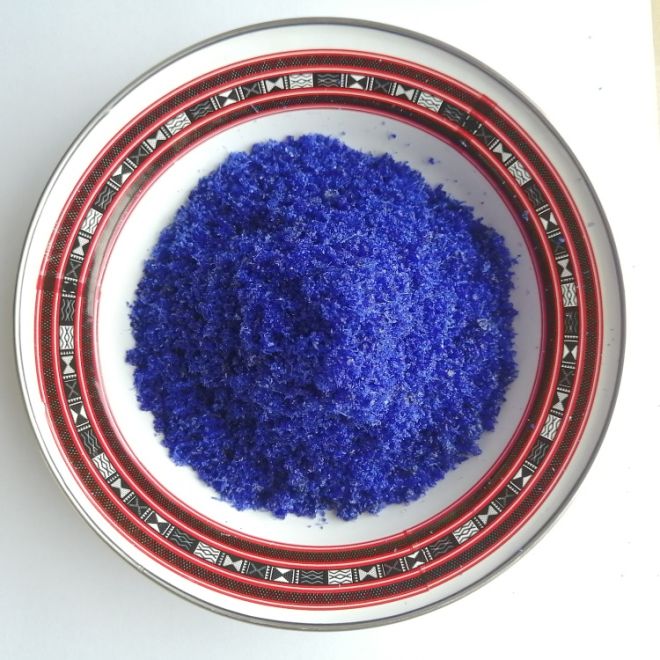
Choosing black enamel frits from China can feel like online dating with mystery glass—endless options, confusing specs, and you only discover the “bad personality” after it’s fired onto your metal.
You solve this by checking supplier certifications, comparing technical data sheets, and following global trade guidelines, as outlined in the WTO quality and standards report, before you buy direct.
✅ Key Properties and Industrial Applications of Black Enamel Frits
Direct-on black enamel frits give strong, glossy, and corrosion‑resistant finishes for steel, cast iron, and cookware. They support high temperature stability and precise color control.
By choosing optimized frit formulas and clean raw materials such as 99.2% stable high-purity barium carbonate, you can improve gloss, adhesion, and long‑term durability for demanding industrial lines.
1. Core Physical and Chemical Properties
These frits melt evenly, wet metal well, and create dense coatings. They resist acids, alkalis, and thermal shock when fired with correct cycles and metal preparation.
- Softening point: usually 520–580°C
- Thermal expansion matched to steel
- Low pinholes and bubbles
- Strong bond after single or double firing
2. Key Industrial Uses
Black frits are standard in household and heavy industry. Producers use them wherever long‑lasting color and surface protection are needed.
| Industry | Typical Products |
|---|---|
| Cookware | Pans, oven trays, roasting dishes |
| Appliances | Oven cavities, stove tops, heater panels |
| Construction | Wall panels, façade cladding |
| Chemical | Tanks, pipes, reactor linings |
3. Performance Benefits on Metal Substrates
Direct‑on frits skip a ground coat in some designs, cutting cost and process time while keeping good corrosion and impact resistance.
- Direct bond to low‑carbon steel
- Good edge coverage
- Improved productivity in continuous lines
- Stable black tone after repeated firing
4. Role of Auxiliary Raw Materials
Balanced use of additives such as Stable light magnesium carbonate and precise boron sources controls melting, viscosity, and final enamel strength.
- Controls viscosity and flow
- Improves gloss and hardness
- Helps match expansion with steel
🎯 Why Source Black Enamel Frits Directly from Chinese Manufacturers
Buying direct from China can cut cost, widen formula choices, and secure stable supply, if you select tested, export‑focused enamel frit producers.
You also gain access to refined raw materials such as Boron Oxide 98% 120mesh/200mesh for Ramming Mass, helping improve batch stability and firing windows.
1. Cost and Scale Advantages
Chinese frit plants run large furnaces and continuous lines. This scale reduces per‑ton cost while keeping tight control of composition and color.
| Factor | Domestic | China Direct |
|---|---|---|
| Average price | High | Lower |
| Batch size | Limited | Flexible |
| Customization | Medium | High |
2. Broad Formula Portfolio
Leading Chinese suppliers offer many black shades, firing ranges, and application methods to fit wet, dry, or electrostatic lines.
- Low‑temperature black frits
- High‑acid‑resistant systems
- Electrostatic black powders
- Cookware‑grade glossy and matte blacks
3. Logistics and Lead Time Planning
Export‑ready plants work with forwarders, provide MSDS, and plan shipments so you can align stock with production schedules.
- FOB and CIF options
- Standard packing in moisture‑proof bags
- Lot tracking and batch reports
4. Technical Support and Localization
Strong suppliers share firing curves, defect troubleshooting, and lab checks, helping you move from trials to stable mass production faster.
- Remote firing optimization
- Sample adjustments
- On‑line problem analysis via photos and data
🧪 Quality Indicators and Testing Methods for Reliable Black Enamel Frits
Check key indicators like particle size, color stability, and adhesion through routine lab tests before approving any Chinese black enamel frit supplier.
Clear test standards make it easier to compare offers and build long‑term supply agreements.
1. Chemical and Physical Indexes
Confirm oxide composition, loss on ignition, and thermal expansion to see if the frit fits your substrate and firing window.
| Index | Typical Control |
|---|---|
| Particle size (D50) | 6–12 μm (milled) |
| Loss on ignition | <1.5% |
| Thermal expansion | Matched to low‑carbon steel |
2. Enamel Coating Performance Tests
Use simple lab panels to evaluate how the frit behaves from application to final firing under your normal process conditions.
- Adhesion and impact tests
- Acid and alkali resistance
- Boiling water and steam tests
- Salt spray for corrosion resistance
3. Visual and Color Stability Checks
Check fired panels for defects and color drift. Ask suppliers to include photos and test reports with each shipment.
- Measure color difference (ΔE)
- Check gloss level
- Inspect for pinholes, fish‑scale, crawling
🏭 Production Processes in China Ensuring Stable Black Enamel Frit Performance
Modern Chinese frit plants use controlled batching, clean furnaces, and careful milling to ensure every lot of black frit fires consistently.
Process discipline helps you keep stable lines with fewer rejects.
1. Raw Material Selection and Batching
Producers weigh oxides and carbonates with automated systems and use strict acceptance rules for each material lot.
- Moisture and purity checks
- Automated weighing and mixing
- Traceability of every batch
2. Melting, Quenching, and Milling
Furnaces melt the mix into glass, which is then quenched and milled to controlled fineness for smooth application.
| Step | Purpose |
|---|---|
| Melting | Form uniform glass phase |
| Quenching | Create frit granules |
| Milling | Reach target particle size |
3. In‑Process and Final QC
Plants sample during and after production to keep key parameters inside agreed ranges and issue COA with each shipment.
- Viscosity checks for slips
- Residue on sieve tests
- Firing tests on standard plates
⭐ Recommended Supplier: Joylong for Consistent, High-Purity Black Enamel Frits
Joylong focuses on high‑purity raw materials and tight process control, making it a strong choice for direct‑on black enamel frit imports.
Their lab support and export experience help reduce trial time and quality risk.
1. Product Range and Customization
Joylong offers black frits for cookware, appliances, and industrial tanks, with options for firing temperature, gloss, and application method.
- Direct‑on and ground‑coat‑plus systems
- Glossy, semi‑matte, and matte blacks
- Custom curves to match your furnace
2. Technical and After‑Sales Service
The team supports you from lab trials to plant runs, adjusting formulas when your steel, water, or furnace conditions change.
- Fast sample development
- Defect troubleshooting guides
- Regular performance reviews
3. Export Capability and Documentation
Joylong provides packing, labels, SDS, COA, and customs documents suited to global buyers, reducing delays at ports.
| Document | Purpose |
|---|---|
| SDS | Safety and handling |
| COA | Confirms batch quality |
| MSDS & labels | Meets transport rules |
Conclusion
Direct‑on black enamel frits from China can deliver strong performance and real savings if you manage quality and testing well. Focus on stable formulas, clear firing windows, and proven export suppliers.
By working with partners like Joylong and using strict lab checks, you can keep consistent color, adhesion, and durability on every production run.
Frequently Asked Questions about direct-on black enamel frits supplier in china
1. What should I check first when choosing a Chinese frit supplier?
Verify export history, request recent COA and firing panels, and confirm they can match your steel grade, firing temperature, and application method.
2. How can I control color differences between batches?
Ask for fixed formulas, defined ΔE limits, and retained reference samples. Always compare new batches with your approved master plate.
3. What is the best way to start trials?
Begin with small test batches on your own line, using supplier firing curves. Record defects, then fine‑tune application density and firing time together.