


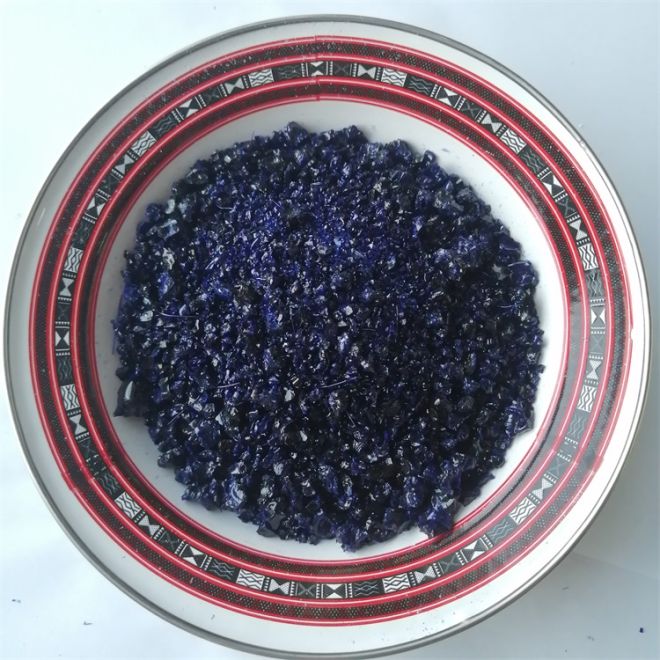
Your enamel frits age faster than your snacks: one day they’re perfect, next day they’re clumpy, moist, and mysteriously useless on the production line.
Store frit in sealed, dry containers, control temperature, track shelf life, and follow industry guidance like NIOSH’s frit handling report.
📦 Optimal storage conditions to maintain enamel frit stability and quality
Proper storage keeps enamel frit free-flowing, stable, and easy to mill. Good warehouse control also reduces moisture pickup, caking, and loss of gloss during firing.
By setting clear rules for temperature, humidity, and handling, you can protect both base frit and specialized products for cookware, stoves, and reactors.
1. Store in a cool, dry, and clean warehouse
Keep enamel frit in a closed, dust-free room with good air circulation. Avoid placing bags directly on the floor or against exterior walls to reduce moisture transfer.
- Ideal ambient temperature: 5–30°C
- Relative humidity: below 60%
- Use pallets and racks for elevation
- Keep away from chemicals and corrosive vapors
2. Protect from moisture, condensation, and water leaks
Water is the main cause of frit clumping and reduced shelf life. Even short-term condensation can damage powder flow and cause uneven enamel application.
- Repair roof leaks quickly
- Avoid storing under cold-water pipes
- Do not place pallets near loading doors
- Use dehumidifiers in damp seasons if needed
3. Avoid temperature extremes and rapid swings
Big temperature changes cause bags to “breathe” and draw in moist air. Stable conditions help protect frit chemistry and particle structure over time.
| Condition | Risk | Recommended Action |
|---|---|---|
| High heat (>35°C) | Caking and packing | Improve ventilation, shade windows |
| Rapid cooling | Condensation on bags | Allow slow acclimation |
| Near heaters | Local over-drying | Keep at least 1 m distance |
4. Organize storage by batch and application
Clear labeling and zoning support both quality tracking and fast retrieval. Separate frit for different lines to reduce mix-up risks in production.
- Mark pallets with batch, date, and product code
- Use “first in, first out” (FIFO) rotation
- Zone areas for ground coat, cover coat, and specialty frit
- Keep opened bags together and well sealed
🧪 Factors affecting enamel frit shelf life in industrial applications
Enamel frit shelf life depends on storage climate, packaging quality, handling, and product type. Managing these factors helps keep firing results stable and predictable.
By understanding how each variable affects performance, plants can plan purchase volumes, warehouse capacity, and inspection routines more accurately.
1. Moisture exposure and caking tendency
Frit absorbs moisture over time, especially in humid regions. Caked material mills poorly and can cause pinholes, roughness, or color shifts on finished enamel.
- Monitor humidity in critical seasons
- Inspect bags for soft spots or lumps
- Use inner liners for higher-risk products
2. Storage duration versus performance stability
Each enamel frit has a recommended shelf life, often 6–12 months in proper conditions. Beyond this, flow and suspension behavior can change in wet systems.
| Frit Type | Typical Shelf Life* | Main Risk After Expiry |
|---|---|---|
| Ground / Direct-on | 12 months | Caking and lower adhesion |
| Transparent frit | 9–12 months | Gloss and clarity issues |
| Cover coat frit | 9 months | Color and coverage loss |
*Values are typical references; always follow supplier technical data.
3. Data-based view of humidity impact on defects
The chart below illustrates how higher warehouse humidity can increase the rate of enamel defects linked to stored frit, based on a simplified data set.
4. Product type: direct-on, transparent, and cover coat frit
Different enamel frits respond differently to aging. Direct-on frit, transparent frit, and cover coats each need correct storage to keep fired quality consistent.
- Direct On Enamel Frit Applied to Enamel Cookware / Gas stove / BBQ. often runs at higher steel contact and needs stable adhesion behavior.
- Transparent Enamel Frit for Cookware, BBQ Oven,Enamel Reactor etc. needs very clean, dry storage to protect clarity and gloss.
- Cover Coat Enamel Frit for BBQ Oven, Grill and Enamel Bathtub must keep color and opacity stable batch after batch.
🌡️ Temperature and humidity control guidelines for stored enamel frit
Controlling temperature and humidity is key to avoiding caking, dust problems, and unstable milling performance during long-term enamel frit storage.
Simple monitoring tools and setpoints help teams react early, before frit quality changes reach the production line.
1. Recommended climate range for warehouses
Keep a narrow, steady climate range to prevent water pickup and packaging stress in stored frit.
| Parameter | Recommended Range | Notes |
|---|---|---|
| Temperature | 5–30°C | Avoid long periods above 35°C |
| Relative Humidity | 40–60% | Below 55% preferred for long storage |
2. Monitoring and recording climate conditions
Use simple tools to track climate over time. Logged data supports audits and helps explain any sudden changes in frit or enamel behavior.
- Install digital thermo-hygrometers at several points
- Check and record readings at least once per shift
- Calibrate devices regularly
- Set alarm limits for humidity spikes
3. Seasonal adjustments and mitigation actions
Different seasons bring different risks. Plan clear actions for hot, humid months and for cold seasons with large temperature swings.
- Use dehumidifiers or air conditioning in wet seasons
- Improve insulation to reduce condensation in winter
- Limit frequent door opening during extreme weather
🛡️ Packaging, handling, and contamination prevention measures for enamel frit
Strong packaging and clean handling protect enamel frit from moisture, dirt, and foreign particles that can cause defects in finished ware.
Train staff to handle bags carefully, seal opened units, and keep the storage area free from loose materials and debris.
1. Preferred packaging formats and sealing
Use multi-layer bags, lined big bags, or sealed drums to give frit a strong barrier against moisture and physical damage during transit and storage.
| Package Type | Advantages |
|---|---|
| Paper bags with liner | Good moisture barrier, easy to stack |
| Big bags (FIBC) with liner | Efficient for bulk users |
| Steel / plastic drums | Best protection for high-value frit |
2. Safe handling, stacking, and transport inside the plant
Proper stacking and forklift operation prevent bag damage and product loss. It also lowers the chance of cross-contamination between lots.
- Stack pallets within rated height limits
- Use pallet trucks or forklifts with smooth forks
- Avoid dragging bags across the floor
- Keep walkways clear to reduce accidents
3. Contamination control and housekeeping rules
Foreign particles, rust, or oil can create craters, fish scales, or pinholes. Good housekeeping prevents these problems before they reach the mill.
- Ban food, drinks, and loose items in frit storage
- Clean floors and racks on a fixed schedule
- Use dedicated tools for frit only
- Seal damaged bags immediately and label clearly
✅ Recommended storage best practices for enamel frit from Joylong
Joylong recommends a clear, practical storage system that protects enamel frit quality while keeping warehouse operations efficient and easy to control.
Following these steps helps keep firing results stable and reduces scrap rates in cookware, stove, and industrial enamel lines.
1. Follow supplier technical data and shelf life limits
Always check the technical data sheet (TDS) and packaging label for each frit. Use and rotate stock according to Joylong’s stated shelf life.
- Apply FIFO as standard
- Mark each pallet with arrival date
- Separate expired lots and test before use
2. Implement routine inspections of stored frit
Schedule regular checks of bags and pallets. Early detection of damage or caking avoids surprises later at the milling and spraying stage.
| Inspection Item | Check Frequency |
|---|---|
| Bag integrity | Weekly |
| Caking or lumps | Before batch release |
| Label and batch clarity | On each receipt |
3. Align storage zones with production lines
Arrange storage so that each production line receives the correct frit type quickly. This reduces handling time and error risk.
- Create zones for ground, cover, and special frits
- Color-code areas and labels
- Keep buffer stock near high-consumption lines
Conclusion
Well-managed storage keeps enamel frit stable, free-flowing, and easy to process. Controlled climate, clean handling, and good packaging protect performance from warehouse to firing line.
By combining Joylong’s technical advice with clear in-plant rules, manufacturers reduce scrap, keep finishes consistent, and extend the useful shelf life of every batch.
Frequently Asked Questions about customized enamel frit
1. How long can enamel frit be stored before use?
Most enamel frits keep stable for 6–12 months in cool, dry, and sealed storage. Always follow the shelf life on the label and supplier technical data sheet.
2. Can I still use frit that is past its shelf life?
You may use it only after testing. Check for caking, moisture pickup, and firing behavior. Run small-scale trials before you approve it for production.
3. What should I do if frit bags show signs of moisture or caking?
Isolate the affected pallets, inform quality control, and take samples. Often, light surface caking can be broken, but strong lumps require further testing.
4. Why is humidity control so important for transparent enamel frit?
Transparent frit is very sensitive to contamination and moisture. Poor storage can lower clarity and gloss, leading to haze and visible defects on finished ware.
5. How can I prevent cross-contamination between different frit types?
Store each frit type in marked zones, use dedicated tools, and clean transfer equipment between lots. Train staff to check labels before opening or moving bags.