


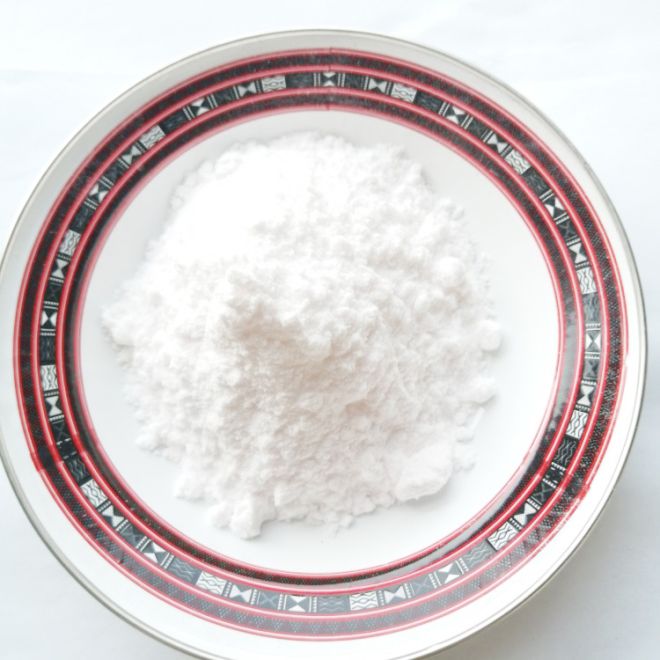
Your cutting tools keep waving a white flag halfway through the job, overheating, wearing out, and turning every simple machining task into a budget-eating drama.
Switch to cubic boron nitride tools for cooler cuts, longer life, and stable performance (NRC wear-resistant materials report).
⚙️ Cutting Tools and Machining Performance with Cubic Boron Nitride
Cubic boron nitride (CBN) delivers clean cuts, long tool life, and stable performance when machining hardened steels and superalloys under demanding industrial conditions.
Its high hardness, thermal stability, and chemical resistance help manufacturers improve productivity while reducing tool changes and unexpected downtime.
1. Turning and Boring of Hardened Steels
CBN inserts machine hardened gears, shafts, and dies at high speeds with less tool wear than carbide. This supports stable tolerance control and lower cost per part.
- Typical hardness range: 55–70 HRC
- Ideal for automotive transmission and bearing parts
- Dry or minimum-quantity lubrication machining
2. Milling of High-Value Components
When milling mold components and precision housings, CBN tools reduce vibration, improve surface quality, and extend cutter life in continuous or interrupted cuts.
| Material | CBN Benefit |
|---|---|
| Tool steel | Higher speed, finer finish |
| Die steel | Reliable edge in interrupted cuts |
3. Chemical Stability with Ferrous Alloys
CBN stays stable with iron-based alloys at high temperatures, unlike diamond. This makes it the preferred choice for hard turning of steel components.
- Less built-up edge
- Lower risk of tool failure
- Consistent part quality
4. Integration with Advanced Tool Materials
CBN works well with other boron materials such as Boron carbide powder industrial-grade boron carbide powder in composite systems to fine-tune hardness, toughness, and thermal behavior.
🛠️ Cubic Boron Nitride in Precision Grinding and Surface Finishing
CBN grinding wheels and tools deliver tight tolerances, low roughness, and long life when finishing hardened and wear-resistant parts.
They help factories keep critical surfaces stable in aerospace, automotive, and bearing applications.
1. High-Accuracy Cylindrical and Internal Grinding
CBN wheels keep shape well and reduce dressing frequency, which improves cycle time and dimensional consistency for shafts, rollers, and bearing rings.
| Process | Typical Gain with CBN |
|---|---|
| Cylindrical grinding | Up to 30% higher feed |
| Internal grinding | Better bore roundness |
2. Surface Roughness Control
CBN abrasives produce low Ra values on hardened steel, enabling direct finishing without extra polishing steps in many tool and die operations.
- Stable roughness over long runs
- Less thermal damage on surfaces
3. Data-Based Performance Comparison
The chart below shows a simple comparison of tool life index for CBN versus conventional abrasives in grinding hardened steel.
4. Role of Boron Compounds in Bond Systems
Materials such as High-purity industrial-grade boric acid and Boron Oxide 98% 120mesh/200mesh for Ramming Mass help tune vitrified and glass bonds that hold CBN grains in advanced grinding wheels.
🔥 High-Temperature Stability of Cubic Boron Nitride in Harsh Industrial Environments
CBN keeps hardness and structure at high temperatures where many other tool materials soften or react with metals.
This makes it ideal for hot cutting zones and continuous high-load operations.
1. Performance at Elevated Cutting Temperatures
CBN keeps its cutting edge when temperatures exceed 1,000°C near the tool–chip interface during hard turning and high-speed grinding.
- Less edge deformation
- Stable cutting forces
2. Resistance to Thermal Shock
CBN tools tolerate rapid heating and cooling during interrupted cutting or when coolant reaches hot tool edges, reducing crack risk.
- Improved tool reliability
- Lower scrap rate
3. Suitability for Dry and MQL Machining
Thanks to high thermal stability, CBN enables dry and minimum-quantity lubrication machining, helping plants cut coolant use and cleaning costs.
🔩 Wear Resistance and Tool Life Improvement Using Joylong Cubic Boron Nitride
Joylong CBN grades focus on long-lasting edges, predictable wear, and high output across different machining and grinding tasks.
They help reduce total tooling cost while keeping quality steady.
1. Lower Flank and Crater Wear
Joylong CBN resists abrasive and diffusion wear on contact surfaces, so tools hold dimensions longer even in very hard or abrasive materials.
| Tool Material | Relative Wear Rate |
|---|---|
| Carbide | 100 |
| Joylong CBN | 35–45 |
2. Extended Tool Life per Edge
Longer life allows more parts per edge and fewer tool changes, which increases machine uptime and stabilizes process planning.
- Fewer changeovers per shift
- Less tool inventory
3. Better Surface Integrity
Because Joylong CBN tools wear slowly and evenly, they keep cutting pressure steady and protect surface integrity and part fatigue life.
🏭 Role of Cubic Boron Nitride in Automated and High-Speed Manufacturing Processes
CBN supports lights-out production by offering stable, predictable performance at high cutting speeds and feeds.
This fits automated cells, transfer lines, and robot-loaded machines.
1. High-Speed Hard Turning in Production Lines
CBN inserts allow high-speed hard turning instead of grinding for many parts, often in a single setup, cutting cycle time and equipment cost.
- Reduced process steps
- Lower energy per part
2. Reliability in Unmanned Shifts
Consistent wear patterns and low breakage risk make CBN tools suitable for unmanned night shifts and long automated runs.
| Shift Type | Typical Tool Checks |
|---|---|
| Manual | Frequent |
| Automated with CBN | Planned, infrequent |
3. Support for Smart Manufacturing
CBN tools work well with sensor-based monitoring and adaptive control, because their wear is gradual and easier to predict and model.
Conclusion
Cubic boron nitride plays a central role in modern industry by combining high hardness, thermal stability, and wear resistance.
From cutting and grinding to automated high-speed lines, CBN-based tools help factories improve output, reduce costs, and maintain reliable, repeatable quality across demanding applications.
Frequently Asked Questions about cubic boron nitride powder
1. What is cubic boron nitride powder?
Cubic boron nitride powder is a super-hard abrasive produced in a cubic crystal form. It is second in hardness only to diamond but more stable with steel.
2. Where is CBN powder commonly used?
CBN powder is widely used in grinding wheels, cutting inserts, honing tools, and coated tools for hardened steels, superalloys, and wear-resistant components.
3. How is CBN different from diamond abrasives?
Diamond reacts with iron at high temperatures, which limits its use on steels. CBN remains stable with ferrous alloys, so it is better for hardened steels.
4. Can CBN powder be used in dry machining?
Yes. Due to high thermal stability, CBN tools and abrasives can work well in dry or minimum-quantity lubrication machining, reducing coolant demand.
5. What factors affect CBN tool life?
Key factors include cutting speed, feed, workpiece hardness, tool geometry, and the bond system in grinding wheels or inserts holding the CBN grains.