

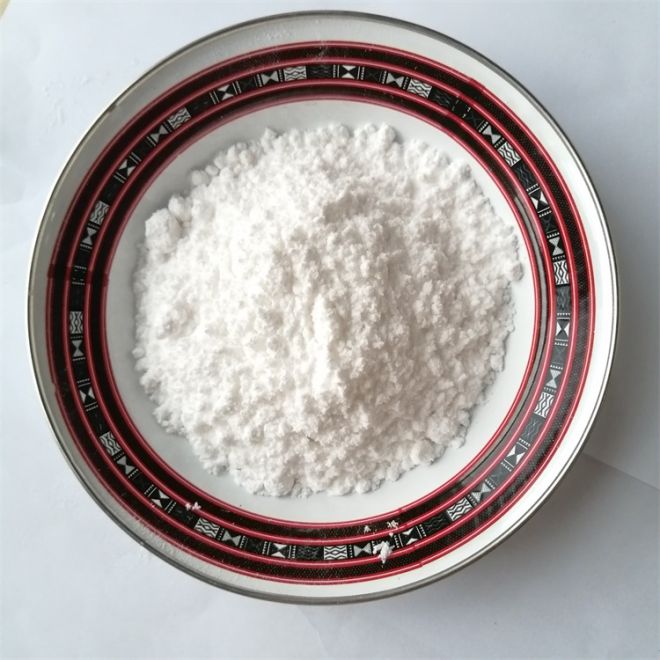
You’re staring at two white powders—sodium bicarbonate and soda ash—wondering which one saves your pipes, your product, and your budget, while your coworkers swear “they’re basically the same thing.”
Relax: match their alkalinity, cost, and handling needs to your process specs, guided by data from this EPA engineering and economic analysis of soda ash.
🧪 Chemical Properties: Comparing Alkalinity, Solubility, and Thermal Stability
Sodium bicarbonate and soda ash are both alkalis, but they behave differently in water, heat, and pH control. Understanding these gaps helps optimize industrial recipes.
Plants can also combine them with materials like 99.2% stable high-purity barium carbonate or Stable light magnesium carbonate to fine-tune reactivity and safety.
1. Alkalinity and pH Control
Soda ash (Na₂CO₃) is a stronger alkali than sodium bicarbonate (NaHCO₃). This higher alkalinity makes soda ash better for fast pH correction in demanding processes.
- Sodium bicarbonate: mild, buffer-like, safer for food and pharma
- Soda ash: strong base, ideal for glass, pulp, detergents
2. Solubility in Water
Both salts dissolve in water, but soda ash usually dissolves faster and reaches a higher pH. This matters for mixing time and dosing design.
| Property | Sodium Bicarbonate | Soda Ash |
|---|---|---|
| Solubility (20°C) | Moderate | Higher |
| Resulting pH | ~8.3 | ~11 |
3. Thermal Stability
Sodium bicarbonate starts to decompose to soda ash, water, and CO₂ at around 50–200°C, while soda ash stays stable at much higher temperatures.
- Bicarbonate: good for mild heat, gas release needed in some processes
- Soda ash: stable in high-temperature kilns and glass furnaces
4. Reaction with Acids and Impurities
Both react easily with acids, but the milder reaction of sodium bicarbonate gives better control in food, pharma, and flue-gas cleaning systems.
| Aspect | Sodium Bicarbonate | Soda Ash |
|---|---|---|
| Reaction speed | Gentle to moderate | Fast, more vigorous |
| Typical use | Fine pH control | Bulk neutralization |
🏭 Industrial Applications: Sodium Bicarbonate vs Soda Ash in Key Manufacturing Processes
Industry uses both materials for pH control, cleaning, and synthesis. Choice depends on process temperature, purity needs, and handling limits.
High-purity Sodium bicarbonate (baking soda) often serves specialty markets, while soda ash dominates heavy, high-volume manufacturing.
1. Glass, Ceramics, and Metallurgy
Soda ash is the main alkali in glass and many ceramic bodies, while bicarbonate appears in niche, lower-temperature or emission control roles.
- Glass: soda ash lowers melting point
- Ceramics: fluxing and pH balance
- Metals: desulfurization and flux blends
2. Pulp, Paper, and Textiles
Both materials help control pH and remove impurities. Soda ash drives strong alkaline steps; bicarbonate supports gentle bleaching and washing stages.
| Process | Main Alkali | Reason |
|---|---|---|
| Pulp cooking | Soda ash | High alkalinity |
| Textile scouring | Both | Balance between strength and fabric care |
3. Environmental and Flue-Gas Treatment
Sodium bicarbonate is common in dry and semi-dry flue-gas treatment, while soda ash sees use in wastewater neutralization and softening.
- Flue gas: bicarbonate injection for SO₂, HCl
- Wastewater: soda ash for hardness and pH
4. Food, Feed, and Pharma
Because of its mild alkalinity and low toxicity, sodium bicarbonate dominates regulated markets, while soda ash stays mostly outside human-contact uses.
- Food: leavening, pH control
- Pharma: antacids, excipients
- Feed: rumen buffer
🌱 Environmental and Safety Considerations in Large-Scale Industrial Usage
Both materials are safer than many strong bases, but dust, effluent load, and CO₂ emissions still require careful design and control.
Good housekeeping and closed systems also help protect workers and nearby communities from accidental releases.
1. Worker Exposure and Handling
Dust can irritate eyes and lungs, so plants use enclosed transfer, dust filters, and simple PPE like goggles and masks.
- Use local exhaust at loading points
- Train workers in spill cleanup
2. Wastewater and Solid Residues
Discharge of high-alkalinity streams must meet pH limits. Neutralization tanks and recovery loops reduce treatment cost and impact.
3. Carbon Footprint and Energy Use
Soda ash production is more energy intensive than most bicarbonate processes. Life-cycle review helps pick the lower-carbon option per ton of finished product.
⚙️ Process Efficiency: Impact on Equipment, Scaling, and Operational Costs
Correct alkali choice affects scaling, corrosion, energy demand, and chemical cost. Plants balance strength, solubility, and downstream effects.
Adjusting ratios can cut downtime and extend equipment life in hard-running lines.
1. Scaling and Precipitation Behavior
Soda ash often promotes carbonate scale, while bicarbonate can offer gentler pH shifts that reduce sudden precipitation in pipes and heat exchangers.
- Monitor hardness and alkalinity
- Use anti-scalants where needed
2. Equipment Life and Corrosion
Very high pH from soda ash can attack some metals and linings. Bicarbonate-based systems are usually easier on mixed-material equipment.
3. Overall Cost per Treated Unit
Soda ash is cheaper per ton and stronger, but higher scaling and safety costs may offset savings. Full cost models give the clearest answer.
| Factor | Bicarbonate | Soda Ash |
|---|---|---|
| Chemical cost | Higher | Lower |
| Maintenance | Lower | Higher (often) |
📦 Choosing Industrial Grade Materials: Why Joylong Is the Reliable Option
Stable quality, tight particle-size control, and strong technical support make Joylong a dependable partner for sodium bicarbonate and related alkali products.
This consistency helps plants cut waste, downtime, and off-spec batches.
1. Consistent Purity and Traceability
Joylong offers strict batch control, full documentation, and reliable purity to support regulated markets and demanding continuous processes.
2. Custom Grades and Logistics Support
Different particle sizes, bulk packaging, and flexible shipping choices allow smooth integration into existing silos, feeders, and dosing systems.
3. Technical Service and Optimization Help
Application engineers can help select between bicarbonate and soda ash, set dosage ranges, and troubleshoot scaling or pH stability problems.
Conclusion
Sodium bicarbonate and soda ash share chemistry but serve different needs. Soda ash supports high-temperature, heavy-duty processes, while bicarbonate excels in gentle, precise pH control.
By understanding alkalinity, solubility, and cost impacts, industrial users can design safer, cleaner, and more efficient systems that match both technical and regulatory targets.
Frequently Asked Questions about industrial sodium bicarbonate
1. Why choose sodium bicarbonate instead of soda ash?
Industrial users pick sodium bicarbonate for milder pH control, lower dust risk, better worker safety, and suitability in food, pharma, and flue-gas treatment systems.
2. Can sodium bicarbonate replace soda ash in glass production?
Usually no. It decomposes and releases CO₂ before glass-melting temperatures, so most plants rely on soda ash as the primary alkali source.
3. Is industrial sodium bicarbonate safe to handle?
Yes, when used with basic controls. It is low in toxicity, but dust can irritate eyes and lungs, so plants use goggles, masks, and good ventilation.
4. How should sodium bicarbonate be stored in factories?
Store it in dry, well-ventilated areas, away from acids and moisture. Use sealed bags, bulk silos, and covered conveyors to reduce caking and dust.
5. Does sodium bicarbonate reduce environmental impact?
It can help. In flue-gas and wastewater treatment, sodium bicarbonate supports cleaner emissions and easier pH control compared with harsher alkaline chemicals.