


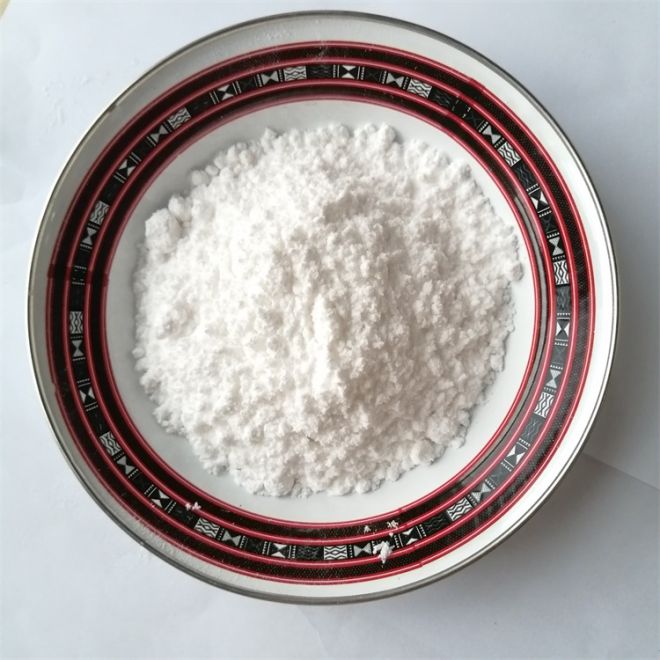
Your cookies flop, your cakes sulk, and your dough rises about as much as your motivation on Monday mornings—maybe it’s not you, it’s your food grade sodium bicarbonate skills.
Learn how proper sodium bicarbonate use boosts texture, taste, and safety (FDA report), turning kitchen fails into reliable, fluffy wins.
🍞 Leavening Agent: Sodium Bicarbonate in Bread, Cakes, and Baked Goods
Food grade Sodium bicarbonate (baking soda) releases carbon dioxide during baking. This gas expands dough and batter, giving bread and cakes a light, airy structure.
It works best with acidic ingredients like yogurt, honey, or cocoa. Bakers use precise doses to avoid bitter flavors and to control crumb size and volume.
1. Bread Volume and Crumb Structure
Baking soda reacts quickly, helping bread rise fast. It supports open, even crumb and reduces dense centers in flatbreads, soda breads, and quick loaves.
- Improves gas retention in dough
- Helps crust color and texture
- Reduces baking time for quick breads
2. Cakes, Muffins, and Cupcakes
In cakes, sodium bicarbonate balances acids from cocoa and buttermilk. It gives a soft bite and prevents heavy, gummy centers in muffins and cupcakes.
| Product | Desired Effect |
|---|---|
| Layer cakes | Fine, even crumb |
| Muffins | Rounded top, moist center |
| Cupcakes | Uniform rise and color |
3. Cookies, Biscuits, and Crackers
Producers use baking soda to control spread, crunch, and color in cookies and biscuits. It also supports a mild, pleasant toasted flavor.
- Adjusts spread for thin or thick cookies
- Boosts browning via Maillard reaction
- Improves snap in crackers
4. Gluten-Free and Specialty Baking
In gluten-free doughs, sodium bicarbonate helps mimic gluten’s light texture. It supports structure when combined with gums, starches, and plant proteins.
- Boosts rise in rice and corn flours
- Improves bite in vegan batters
- Helps retain moisture after baking
🥤 Regulating Acidity and Fizziness in Beverages and Instant Drink Mixes
Food grade sodium bicarbonate adjusts pH and controls fizz in carbonated drinks, sports beverages, and instant drink powders, creating a smooth taste and stable foam.
It moderates sourness from acids, protects flavor over shelf life, and works with citric or phosphoric acid to create pleasant sparkle in ready-to-drink products.
1. pH Control in Soft Drinks
Manufacturers use sodium bicarbonate to fine-tune beverage pH. This improves flavor, protects vitamins, and reduces harsh sour notes in fruit-based drinks.
| Beverage Type | Typical pH Range |
|---|---|
| Cola | 2.3 – 2.7 |
| Lemon soda | 2.5 – 3.0 |
| Sports drink | 3.0 – 3.8 |
2. Effervescent Powders and Tablets
In instant vitamin drinks, sodium bicarbonate reacts with acids to release bubbles. This creates fast dissolution, light mouthfeel, and higher consumer acceptance.
- Speeds up mixing in cold water
- Masks some bitter notes from minerals
- Improves appearance with visible fizz
3. Bar Chart: Usage Trends in Drinks
The chart below simulates growing use of sodium bicarbonate in different beverage types for product developers and buyers.
4. Stability in Ready-to-Drink Mixes
Sodium bicarbonate helps keep flavor stable during storage. It can slow flavor fading and support color stability in acidified, shelf-stable drinks.
- Reduces aggressive sourness over time
- Helps protect natural colors
- Supports clean label formulations
🥛 Enhancing Texture and Tenderness in Dairy, Dough, and Batter Products
Sodium bicarbonate adjusts protein function in dairy and dough, making products softer, smoother, and easier to process in large industrial lines.
1. Dairy Drinks and Yogurt-Based Products
Low doses of sodium bicarbonate control acidity in dairy blends. This can protect protein from curdling and keep drinks smooth during processing.
- Reduces protein clumping
- Improves heat stability
- Helps balance sour taste
2. Noodles, Dumpling Skins, and Flat Doughs
In noodles and wrappers, sodium bicarbonate improves stretch and bite. It supports yellow color and helps dough stay workable longer.
| Product | Benefit |
|---|---|
| Noodles | Firm, elastic texture |
| Dumpling skins | Less tearing, smooth edges |
| Flatbreads | Soft but strong structure |
3. Pancake, Waffle, and Batter Systems
Baking soda creates light, tender batters for pancakes and waffles. It promotes even browning and keeps products soft after holding or freezing.
- Improves batter flow and spread
- Supports quick color formation
- Reduces toughness on reheating
🥫 Application in Processed Foods: Color Stability, pH Control, and Shelf Life
In processed foods, sodium bicarbonate helps manage color, pH, and microbial stability, supporting safer, more attractive products over longer shelf life.
1. Color Stability in Snacks and Coatings
Snack producers use sodium bicarbonate to enhance golden color in fried and baked snacks, coatings, and breadings while avoiding over-darkening.
- Boosts Maillard browning at lower temperatures
- Improves crust color without burning
- Supports consistent batch appearance
2. pH Management in Canned and Retort Foods
Controlled pH helps heat treatments work efficiently. Sodium bicarbonate can fine-tune pH to improve texture and safety in sauces and ready meals.
| Type | Role of NaHCO₃ |
|---|---|
| Tomato sauces | Reduce sharp acidity |
| Legume stews | Soften skins faster |
| Meat sauces | Improve protein tenderness |
3. Shelf Life and Quality Retention
By moderating pH, sodium bicarbonate can support preservative systems and help keep flavor and texture stable during storage and transport.
- Helps control spoilage in moist foods
- Supports antioxidant performance
- Reduces texture breakdown in freeze–thaw cycles
🍤 Cleaning, Deodorizing, and Additive Functions in Food Processing with Joylong Sodium Bicarbonate
In food plants, sodium bicarbonate acts as a gentle cleaner, deodorizer, and functional additive, supporting hygiene and product quality together.
1. Equipment Cleaning and Residue Removal
Baking soda helps remove fats, light deposits, and surface soils from equipment without strong abrasion, protecting stainless steel and sensitive parts.
- Safe on many metals and plastics
- Low odor and easy to rinse
- Supports sanitation programs
2. Deodorizing in Seafood and Meat Processing
Processors use sodium bicarbonate to reduce fish and meat odors on surfaces. It helps keep cutting boards, trays, and drains fresher.
| Area | Effect |
|---|---|
| Preparation tables | Less lingering smell |
| Storage bins | Cleaner aroma |
| Drain zones | Reduced off-odors |
3. Synergy with Other Food-Grade Minerals
Manufacturers often pair sodium bicarbonate with minerals such as 99.2% stable high-purity barium carbonate and Stable light magnesium carbonate in specific non-food-contact and technical areas to support stability and process control.
Conclusion
Food grade sodium bicarbonate plays many roles in modern food production. It supports rise, texture, taste, color, and stability across bakery, beverage, dairy, and processed foods.
By controlling pH and gentle reactions, it helps manufacturers create safe, consistent, and appealing products while keeping recipes simple and easy to understand.
Frequently Asked Questions about food grade sodium bicarbonate
1. Is food grade sodium bicarbonate safe to use in all foods?
Yes, when used within legal limits. It is approved in most regions as a safe food additive and common leavening agent, stabilizer, and pH regulator.
2. What is the difference between food grade and industrial sodium bicarbonate?
Food grade follows stricter purity standards, has controlled heavy metals, and meets food safety rules. Industrial grades are not intended for direct contact with food.
3. Can sodium bicarbonate replace baking powder in recipes?
Sometimes. Baking powder contains baking soda plus acids and starch. If you replace it, you must add an acid source and adjust the quantity carefully.
4. How should food grade sodium bicarbonate be stored in factories?
Store it in a cool, dry, well-ventilated place. Keep bags sealed, away from strong acids, moisture, and odors to prevent caking and contamination.
5. Does sodium bicarbonate affect the flavor of finished products?
At proper levels, it has little flavor impact. Overuse can cause a soapy or bitter note, so process teams must control dosage accurately.