


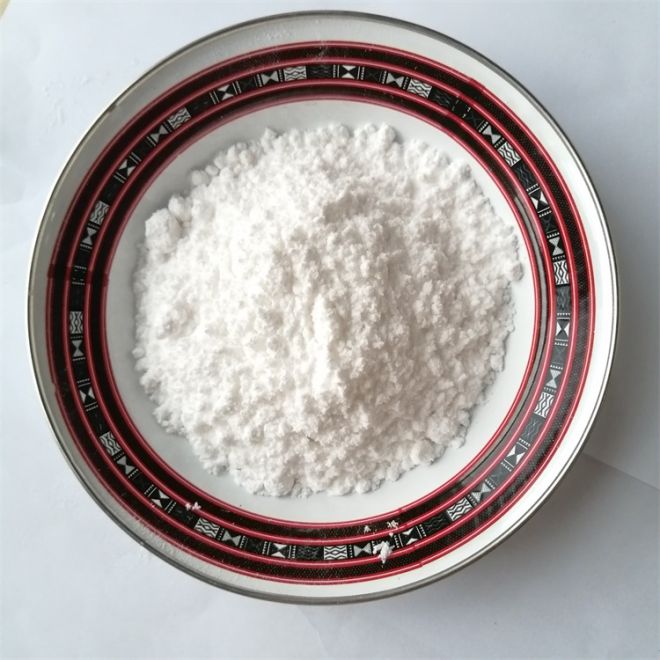
Your head spins from magnesium carbonate labels, certifications, and cryptic acronyms, while all you wanted was “the good stuff” that won’t wreck your product or spark a surprise visit from quality control.
Relax—focus on globally recognized standards like ISO and food‑grade specs, and verify suppliers against international guidelines such as the FAO/WHO JECFA magnesium carbonate evaluation to ensure consistent, certified quality.
✅ Role of Quality Certification in Magnesium Carbonate Manufacturing and Use
Quality certification proves that magnesium carbonate is made under strict control, with stable purity and low impurities. It protects product performance, brand trust, and end-user safety.
Certified grades support sensitive uses such as food, pharma, sports, and industrial fillers, and help producers pass audits and win long-term supply contracts.
1. Building Trust Across Food, Pharma, and Industry
Global buyers need proof that magnesium carbonate meets set purity, safety, and consistency levels before using it in food, medicine, or technical applications.
- Reduces risk of recalls and complaints
- Supports regulatory inspections and audits
- Enables cross-border sales and tenders
2. Linking Certification to Raw Material Control
Certifications require strong control of ores, process water, and additives, similar to high-spec products like 99.2% stable high-purity barium carbonate.
| Step | Control Focus |
|---|---|
| Mining | Low heavy metals |
| Refining | Purge soluble salts |
| Drying | Avoid contamination |
3. Supporting Product Positioning and Branding
Verified certificates let suppliers market grades for specific uses, such as Stable light magnesium carbonate for sports, coatings, or plastics.
4. Integration with Other Certified Alkali Products
Downstream users often combine magnesium carbonate with certified alkali products such as Sodium bicarbonate (baking soda) for buffering, leavening, and pH control.
🌍 Key International Standards Governing Magnesium Carbonate Quality and Safety
Magnesium carbonate producers must align with global rules that limit impurities, control particle size, and ensure safe use in food, pharma, and technical markets.
Following these standards reduces customs delays, improves acceptance in audits, and supports long-term international contracts.
1. ISO, GMP, and HACCP Frameworks
ISO 9001, GMP, and HACCP guide consistent production, risk assessment, and documentation.
- ISO 9001: quality management system
- GMP: pharma-grade control
- HACCP: food safety hazards and CCPs
2. Codex, FCC, and Food-Grade Rules
Codex Alimentarius and Food Chemicals Codex (FCC) set purity, identity, and heavy metal limits for magnesium carbonate used in food.
3. Pharmacopoeias and Medical Device Regulations
Ph.Eur., USP, and JP specify tests for magnesium carbonate in drug and excipient use, including loss on drying and heavy metals.
4. Example Data: Compliance Across Regions
Many buyers review how much of a supplier’s volume meets strict food and pharma requirements in different regions.
🔬 Testing Methods for Purity, Particle Size, and Contaminant Control
Testing confirms that magnesium carbonate meets stated purity, size, and impurity levels and remains stable during storage and use.
1. Chemical Purity and Identity Tests
Labs use titration, loss on ignition, and infrared scans to confirm magnesium carbonate content and detect unwanted salts.
| Test | Purpose |
|---|---|
| Assay | Confirm MgCO₃ content |
| pH | Check solution behavior |
| LOI | Evaluate bound water / CO₂ |
2. Particle Size and Flowability
Laser diffraction and sieving define particle size distribution, while angle of repose and bulk density show flow and packing behavior.
- Fine grades: smoother mouthfeel
- Coarse grades: better flow in tablets
3. Heavy Metals and Microbial Limits
ICP-MS and AAS measure lead, arsenic, and other metals, while plate counts and pathogen tests control microbial risks in food and pharma grades.
🏭 Implementing Joylong Magnesium Carbonate to Meet Strict Regulatory Requirements
Joylong designs magnesium carbonate grades to align with global quality rules, helping processors pass audits and protect their brands.
1. Matching Grade to Application
Engineers select the right Joylong grade for food, pharma, or industrial use, based on purity, particle size, and certification scope.
- Food-grade: anti-caking, acidity control
- Pharma-grade: antacids, tablets
- Technical-grade: plastics, rubber, coatings
2. Process Integration and Handling
Stable flow and low dust reduce waste and improve safety. Joylong provides guidance for silo design, conveying, and dust filtration.
3. Support During Customer Audits
Joylong can share test reports, safety data sheets, and process summaries to support customer audits and regulatory inspections.
📦 Certification Documentation, Traceability, and Compliance for Global Magnesium Carbonate Trade
Reliable documentation and traceability help buyers confirm lot quality, manage recalls, and show regulators that controls are in place.
1. Certificates and Regulatory Dossiers
Each batch can be supplied with a Certificate of Analysis (CoA), safety data sheets, and compliance statements for key regulations.
| Document | Key Use |
|---|---|
| CoA | Lot-specific quality data |
| SDS | Safe handling guidance |
| Allergen / GMO statements | Food safety support |
2. Batch Coding and Supply Chain Tracking
Clear batch codes and records allow fast tracking from ore to final bag, which is vital in case of quality issues.
3. Alignment with Customs and Trade Requirements
Accurate HS codes, origin certificates, and REACH-like registrations reduce delays at borders and support global magnesium carbonate trade.
Conclusion
Magnesium carbonate quality certification links safe production, strong documentation, and global standards. It supports food, pharma, and technical users who demand predictable performance.
By following robust testing, traceability, and regulatory alignment, suppliers like Joylong help customers reduce risk and maintain long-term, compliant supply chains.
Frequently Asked Questions about magnesium carbonate health
1. Is magnesium carbonate safe to eat?
Food-grade magnesium carbonate is generally recognized as safe when used within legal limits as an anti-caking agent or acidity regulator.
2. Can magnesium carbonate help with heartburn?
Pharma-grade magnesium carbonate can act as an antacid. Always follow product labels and consult a doctor for persistent symptoms.
3. Are there side effects from too much magnesium carbonate?
Excess intake may cause diarrhea or stomach upset, especially in people with kidney problems. Do not exceed recommended doses.
4. Is magnesium carbonate absorbed like other magnesium supplements?
Magnesium carbonate needs stomach acid to convert into absorbable forms. Absorption may be lower than for some organic magnesium salts.
5. Who should avoid magnesium carbonate supplements?
People with kidney disease, severe heart disease, or on certain medications should seek medical advice before using magnesium carbonate supplements.