


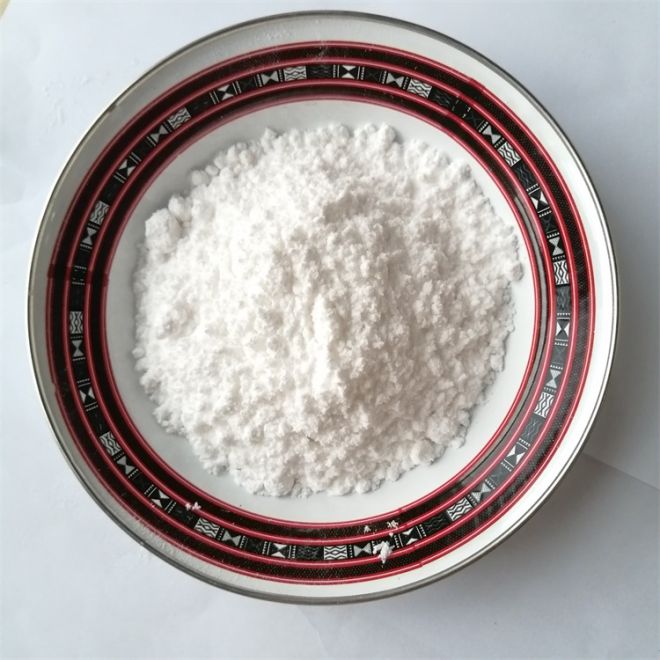
Magnesium carbonate hydroxide sounds like a spell, not a material market, right? Yet here you are, trying to untangle uses, prices, and 2026 forecasts while your coffee gets cold and your tabs multiply like rabbits.
To tame the chaos, focus on end-use sectors, regional demand, and price trends from now to 2026, then compare them with trusted industry data such as the Grand View Research magnesium market report.
• 📌 Industrial applications of magnesium carbonate hydroxide across key manufacturing sectors
Magnesium carbonate hydroxide offers stable alkalinity, smoke suppression, and gentle reactivity. These traits help many industries improve product safety, durability, and overall manufacturing efficiency.
Its low toxicity and good thermal behavior make it a preferred choice in plastics, rubber, coatings, and specialty chemical production where consistent performance is essential.
1. Plastics and rubber compounding
Producers use magnesium carbonate hydroxide as a flame retardant and smoke suppressant in cables, automotive parts, and consumer goods to meet strict fire and safety rules.
- Reduces smoke and toxic gas formation
- Improves mechanical strength in filled polymers
- Suitable for halogen‑free cable formulations
2. Coatings, inks, and fillers
Its fine particle size and whiteness support coatings, inks, and paper fillers, offering mild alkalinity and better opacity without harming processing equipment.
- Acts as functional filler for paints
- Improves brightness and coverage
- Enhances scrub and stain resistance
3. Chemical, pharmaceutical, and food‑adjacent uses
Controlled‑grade material stabilizes pH and buffers sensitive formulations. It can work alongside Sodium bicarbonate (baking soda) in some non‑direct food contact systems.
| Segment | Function |
|---|---|
| Fine chemicals | Alkalinity control, intermediate |
| Pharma excipients | Antacid bases, pH buffer |
| Food‑adjacent uses | Processing aid where permitted |
4. Industrial minerals and process aids
Manufacturers also combine magnesium carbonate hydroxide with products like 99.2% stable high-purity barium carbonate to fine‑tune ceramic, glass, and specialty mineral systems.
- Neutralizes acidic process streams
- Conditions slurries and suspensions
- Supports stable, repeatable batch quality
• 🧪 Role of magnesium carbonate hydroxide in environmental protection and remediation
Magnesium carbonate hydroxide helps treat flue gas, wastewater, and contaminated soil. Its buffering and precipitation actions support cleaner air, water, and safer waste handling.
As regulations tighten through 2026, this mineral’s low toxicity and high efficiency can reduce treatment costs while meeting strict global environmental standards.
1. Flue gas desulfurization and acid gas control
Power plants and industrial boilers use it to capture acidic gases like SO₂ and HCl, lowering emissions and easing compliance with air quality rules.
- Neutralizes acidic components in flue gas
- Produces stable, manageable by‑products
- Works in dry and semi‑dry systems
2. Wastewater treatment and heavy‑metal removal
Its alkalinity promotes metal hydroxide precipitation, helping remove metals such as lead, zinc, and copper from industrial wastewater streams.
| Parameter | Impact |
|---|---|
| pH adjustment | Moves pH into ideal removal range |
| Metal ions | Forms insoluble hydroxides |
| Sludge quality | Denser, easier to dewater |
3. Soil remediation and stabilization
Engineers use magnesium carbonate hydroxide to reduce soil acidity, immobilize heavy metals, and improve ground stability on industrial and brownfield sites.
- Lowers metal mobility and leaching
- Improves bearing capacity in soft soils
- Supports revegetation of treated sites
4. Data‑driven outlook for green uses to 2026
Demand in environmental sectors is expected to climb as decarbonization and circular‑economy projects scale. The chart shows projected growth by application segment.
• 🏗️ Use of magnesium carbonate hydroxide in construction materials and flame retardants
In construction, magnesium carbonate hydroxide boosts fire safety, improves durability, and supports greener building materials with lower smoke and toxicity.
Its endothermic decomposition and stable residues help slow flame spread in many composite and polymer systems used in modern buildings.
1. Cement, mortar, and boards
Producers add it to fiber cement boards, plasters, and mortars to manage pH, improve fire ratings, and refine surface finish.
- Enhances fire resistance of wall panels
- Reduces cracking risk under heat
- Supports smooth, paint‑ready surfaces
2. Polymer‑based building components
Window profiles, roofing membranes, and sealants use it as a halogen‑free flame retardant and filler to meet strict construction codes.
| Component | Key benefit |
|---|---|
| Cable conduits | Low smoke, low toxicity |
| Roofing sheets | Improved fire classification |
| Sealants | Stable volume and cure |
3. Synergy with other flame retardant minerals
Manufacturers often pair magnesium carbonate hydroxide with Stable light magnesium carbonate to optimize processing, reduce density, and improve dispersion in advanced flame‑retardant systems.
- Balances cost and performance
- Enables thin‑wall parts with high ratings
- Supports recyclable formulations
• 📈 Global market trends and demand forecast for 2026
The magnesium carbonate hydroxide market is set for steady growth to 2026, driven by green regulations, safer materials, and infrastructure investment.
Suppliers that ensure quality and secure logistics will gain from faster adoption in flame retardants, environmental treatment, and advanced polymers.
1. Regional demand patterns
Asia‑Pacific leads growth through strong manufacturing and construction, while Europe and North America expand through environmental and safety regulation upgrades.
| Region | Trend to 2026 |
|---|---|
| Asia‑Pacific | Fast growth, capacity additions |
| Europe | Stable growth, high value grades |
| North America | Infrastructure‑driven demand |
2. Key demand drivers by sector
Flame‑retardant plastics, cable compounds, and environmental services account for the largest volume gains through the 2026 forecast window.
- Energy transition and grid upgrades
- Stronger building fire codes
- Industrial wastewater compliance
3. Price, supply, and risk factors
Feedstock availability, energy costs, and transport constraints will shape prices. Buyers will favor partners offering predictable supply and technical service.
- Diversified sourcing reduces risk
- Process optimization stabilizes cost
- On‑time delivery protects production
• 🏭 Why Joylong magnesium carbonate hydroxide supports stable supply and quality in 2026
Joylong focuses on consistent quality, flexible grades, and robust logistics, helping customers keep production stable even in changing global markets.
Integrated production and strict testing help reduce variability, simplify formulation design, and shorten approval cycles for new products.
1. Consistent product quality and technical support
Joylong controls particle size, purity, and moisture tightly, while application teams help customers tune recipes for plastics, coatings, treatment, and construction.
- Stable specifications batch to batch
- Support for scale‑up trials
- Documentation for regulatory needs
2. Reliable logistics and flexible packaging
With multiple packing formats and strong shipping partners, Joylong can respond quickly to regional demand spikes and emergency orders.
| Option | Typical use |
|---|---|
| Bags | Small to mid‑size plants |
| Big bags | High‑volume compounding |
| Bulk | Large, continuous users |
3. Portfolio synergy with related minerals
Customers can source magnesium carbonate hydroxide alongside barium, magnesium, and carbonate products for simpler purchasing and more consistent multi‑mineral systems.
- Streamlined supplier management
- Aligned quality standards
- Co‑designed multi‑component solutions
Conclusion
Magnesium carbonate hydroxide will play a larger role in safe materials, clean industry, and modern infrastructure through 2026. Its flame‑retardant, buffering, and environmental functions support many value chains.
Producers that secure stable, high‑quality supply and strong technical support can use this versatile mineral to lower risk, cut emissions, and meet tighter global rules.
Frequently Asked Questions about magnesium carbonate hydroxide uses
1. What is magnesium carbonate hydroxide mainly used for?
It is widely used as a flame retardant, smoke suppressant, pH buffer, filler in plastics and coatings, and as a reagent in environmental and wastewater treatment.
2. How does it work as a flame retardant?
When heated, it releases water and absorbs heat, which cools the material, delays ignition, reduces smoke, and leaves a stable, protective mineral layer.
3. Is magnesium carbonate hydroxide safe to handle?
It is generally considered low in toxicity. Normal industrial hygiene, dust control, gloves, and eye protection are recommended when handling powders.
4. What drives demand growth to 2026?
Stricter fire safety rules, greener material standards, more wastewater and flue‑gas treatment projects, and expanding construction and cable markets drive global demand.
5. How do I choose the right grade for my process?
Key factors include particle size, purity, moisture, and surface treatment. Work with your supplier’s technical team to match grade to your specific application.