


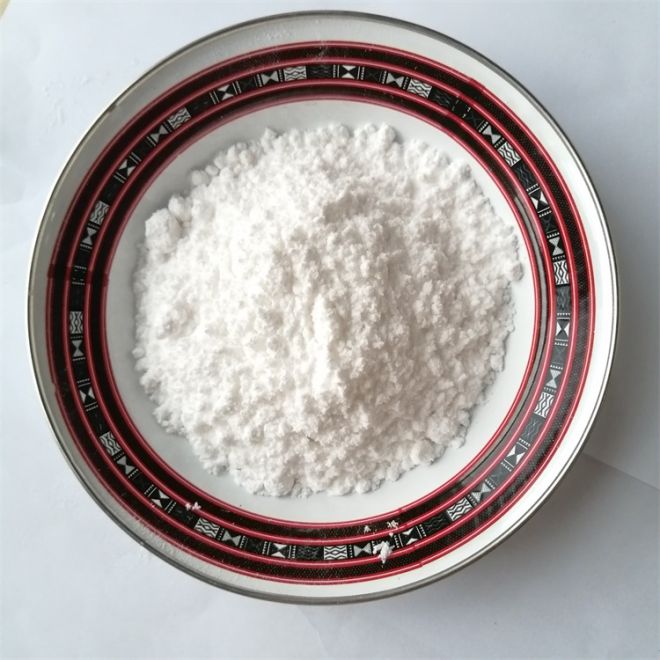
Still squinting at specs, wondering if your magnesium carbonate is pure genius or dusty mystery powder? You’re not alone—many labs and factories play “guess that grade” every time a new bag shows up.
This FAQ explains purity levels, particle size ranges, and grades in simple terms, so you can match the right magnesium carbonate to your process with confidence. For deeper background on material specifications, see this authoritative report from the European Chemicals Agency: ECHA Magnesium Carbonate Dossier.
⚙️ What Does Magnesium Carbonate Purity Mean in Industrial and Food Applications?
Magnesium carbonate purity shows how much of the product is real MgCO₃ versus other salts or trace metals. Higher purity gives safer, more stable performance.
In food, pharma, and cosmetics, strict purity helps control taste, color, heavy metals, and label claims. In industry, it protects process equipment and product quality.
1. Key Purity Indicators in Specifications
Buyers usually check assay %, loss on ignition, moisture, and heavy metal content. Clear specs help you match each grade to your process or formula.
- Assay (MgCO₃ content)
- Moisture and LOI
- Heavy metals (Pb, As, Cd)
- Insoluble residue
2. Food and Pharma Grade Requirements
Food and pharma grades must follow standards like FCC or pharmacopoeias. These set tight limits for metals, fluoride, and microbial risk.
- Very low heavy metals
- Controlled particle size
- Low fluoride and chloride
- Traceable production batches
3. Industrial Grade Considerations
Industrial grades focus on cost and process fit. Purity still matters because impurities can affect firing, reaction yield, or equipment life.
- Ceramics and glass
- Rubber and plastics
- Metallurgy and flue gas treatment
- Construction materials
4. Cross-Comparing with Related Carbonates
Engineers often compare magnesium carbonate with 99.2% stable high-purity barium carbonate and Sodium bicarbonate (baking soda). Each offers distinct solubility and toxicity profiles.
- Different regulatory status
- Different pH and buffering action
- Different density and flow behavior
🔬 How Particle Size Affects Magnesium Carbonate Performance in Different Formulations
Particle size affects flow, opacity, mouthfeel, and reaction rate. Finer powders disperse faster but may dust more. Coarser grades flow easily but react slower.
Choosing the right size range protects consistency in tablets, foods, ceramics, and cosmetic powders.
1. Flowability and Handling
Granular grades improve flow in big bags and silos. They reduce caking and help automatic dosing systems run smoothly.
- Better hopper discharge
- Lower dust exposure
- More stable bulk density
2. Reactivity and Dissolution
Smaller particles have higher surface area, so they react and dissolve faster. This matters in antacids, buffering systems, and catalyst supports.
| Grade | D50 (µm) | Relative reaction speed |
|---|---|---|
| Fine | 5 | High |
| Medium | 20 | Medium |
| Coarse | 60 | Low |
3. Sensory Feel in Cosmetics and Tablets
In face powders and pressed tablets, a controlled particle band gives a soft feel, clean breakup, and low grit on skin or tongue.
4. Simple Bar Chart Example for Size Distribution
Below is example code using ECharts to visualize particle size distribution for three magnesium carbonate grades.
📏 Comparing Common Magnesium Carbonate Grades and Their Typical Specifications
Magnesium carbonate appears as light, heavy, and specialty grades. Each offers different density, particle size, and purity windows for targeted uses.
Matching grade to end use prevents over-specifying and avoids quality risks.
1. Light Magnesium Carbonate Grades
Light grades have low bulk density and high surface area. They suit cosmetics, rubber, and food powders needing high absorption.
- Bulk density: 0.1–0.25 g/cm³
- Fine median size
- Good oil and moisture pick-up
- Often used in Stable light magnesium carbonate products
2. Heavy and Granular Grades
Heavy grades pack more weight into small volumes, ideal where high loading and lower dust are needed, such as ceramics and plastics.
| Parameter | Light | Heavy |
|---|---|---|
| Bulk density | Low | Higher |
| Flow | Moderate | Good |
| Dust | Higher | Lower |
3. High-Purity and Specialty Grades
These grades target pharma, high-end food, and electronics. They feature tight impurity limits, narrow particle bands, and strong documentation.
🧪 Testing Methods for Verifying Magnesium Carbonate Purity and Particle Size
Reliable testing protects both safety and processing. Producers and users rely on chemical and physical methods to control each batch.
Routine checks confirm purity, impurities, and particle-size distribution against specifications.
1. Chemical Assay and Impurity Testing
Labs use titration or ICP/OES methods to measure Mg content and trace metals. Chloride, sulfate, and fluoride tests support food and pharma use.
- Titration for MgCO₃
- ICP-OES or AAS for metals
- Ion chromatography for anions
2. Particle Size and Surface Area
Laser diffraction gives full particle-size curves, while BET measures surface area. Together they predict flow and reaction behavior.
3. Physical and Functional Tests
Simple tests like bulk density, tapped density, and loss on drying offer fast quality checks and help keep production lines stable.
🏷️ Why Choose Joylong for Consistent Magnesium Carbonate Quality and Grade Options
Joylong offers stable magnesium carbonate grades with clear specs, documentation, and technical support. This helps buyers reduce risk and speed qualification.
Flexible packing and grade options fit food, cosmetics, pharma, and industry needs.
1. Broad Grade Portfolio
Joylong supplies light, heavy, and tailored grades with different purity and size ranges. This lets you match one supplier to many plants.
- Food and cosmetic grades
- Industrial and technical grades
- Custom particle-size options
2. Quality Systems and Traceability
Controlled raw materials, batch records, and lot tracking help support audits and market registrations in strict regions.
3. Technical Service and Application Support
Joylong can suggest grades, test samples, and help smooth plant trials. This reduces trial time and avoids costly misfits.
Conclusion
Purity and particle size define how magnesium carbonate behaves in food, cosmetics, pharma, and industry. Clear data cuts risk and supports smooth production.
By selecting the right grade and understanding tests, formulators can improve safety, stability, and sensory feel while keeping costs controlled.
Frequently Asked Questions about magnesium carbonate in cosmetics
1. Why is magnesium carbonate used in face and body powders?
Magnesium carbonate absorbs oil and moisture, improves slip, and reduces shine. It helps powders spread smoothly and feel dry, without strong odor or color.
2. Is cosmetic-grade magnesium carbonate safe for sensitive skin?
Cosmetic and pharma grades have tight impurity limits and low heavy metals. Most users tolerate them well, but brands should still run patch and stability tests.
3. Does particle size affect the look of makeup?
Yes. Finer particles give a soft-focus matte look and smooth touch. Coarser particles can feel gritty and may cause uneven coverage on the skin.
4. Can magnesium carbonate replace talc in formulas?
It can partly replace talc in some products. However, its density, oil absorption, and feel differ, so full replacement needs careful testing and reformulation.
5. How should brands check quality from suppliers?
Request COAs, particle-size data, and impurity results. Verify key tests with your own or third-party labs, and run application tests in the final formulation.