


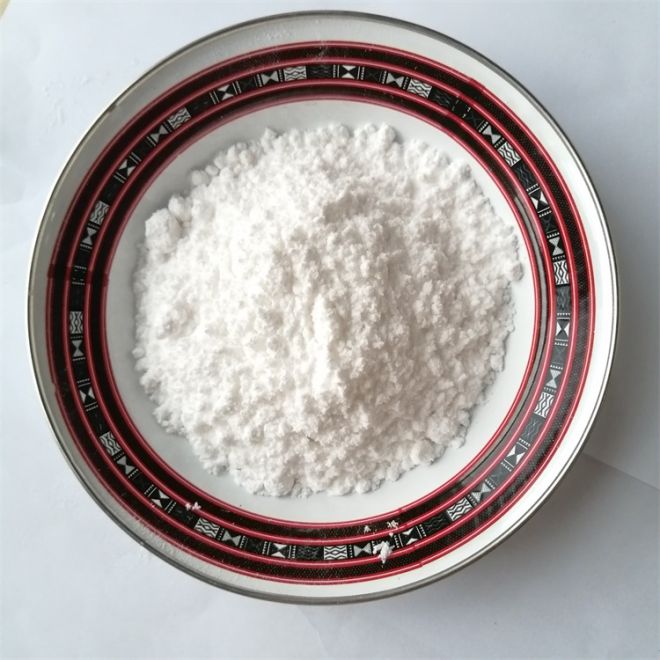
Worried your favorite snacks hide scary chemicals, yet the label reads “light magnesium carbonate” instead of “evil mystery dust”? Let’s untangle this tongue-twister so you can munch in peace, not in panic.
Relax—light magnesium carbonate is a regulated anti-caking agent. Authorities like EFSA review safety data, set intake limits, and confirm its safe use in food when used correctly.
• 🧪 Regulatory standards for light magnesium carbonate use in food products
Light magnesium carbonate is widely used as an acidity regulator and anti‑caking agent. Global food laws limit its level to protect consumers while keeping product performance stable.
Food brands need to follow national and international rules, test every batch, and keep clear records to prove that products remain safe and compliant.
1. Global food additive approvals
Codex and many national agencies list light magnesium carbonate as a permitted food additive. They define purity, labeling rules, and typical use levels in foods.
- Common uses: baked goods, powdered drinks, spices
- Functions: anti‑caking, carrier, stabilizer
- Form: fine, stable powder with low moisture
2. EU, US, and Asia regulations
The EU (E‑504), US FDA, and many Asian authorities permit use under Good Manufacturing Practice (GMP). Producers must meet strict heavy‑metal and purity limits.
| Region | Status | Main control |
|---|---|---|
| EU | Approved (E‑number) | Purity and contaminants |
| USA | GRAS/food additive | GMP levels |
| Asia | Listed additive | National standards |
3. Specification and testing requirements
Standards define assay range, loss on drying, and allowed impurities. Producers perform routine lab tests to confirm every lot meets the legal specification.
- Assay for magnesium carbonate content
- Moisture and bulk density tests
- Screening for arsenic, lead, and other metals
4. Links with related food‑grade minerals
Food regulators apply similar controls to other carbonate ingredients such as 99.2% stable high-purity barium carbonate and Sodium bicarbonate (baking soda). Consistent testing supports safe, predictable performance.
• 🥗 Evaluating intake levels and consumer health impacts over long-term consumption
Safety reviews show that typical dietary exposure to light magnesium carbonate is low. Most people receive far less than conservative health‑based limits.
Studies monitor intake, digestion, and excretion. Data support long‑term safety when manufacturers stay within regulated levels and follow GMP practices.
1. Estimated daily intake from foods
Model diets often include baked goods, drink mixes, and seasonings. Calculations show that only a small part of daily magnesium comes from this additive.
2. Magnesium balance and digestion
Magnesium from light magnesium carbonate follows normal mineral balance. Healthy kidneys remove extra amounts, so build‑up is not expected at food‑level intake.
- Absorption mainly in small intestine
- Excess excreted in urine and stool
- Supports overall magnesium status
3. Sensitive groups and upper limits
People with serious kidney disease may need medical advice on total magnesium intake. For the general population, current intake sits well below upper levels.
| Group | Concern | Management |
|---|---|---|
| Healthy adults | Low risk | Normal diet control |
| Kidney disease | Reduced excretion | Consult physician |
4. Long‑term monitoring and trends
Regulators review toxicology, intake surveys, and new scientific studies. When data stay stable, they confirm that current use levels remain safe for consumers.
• 🔬 Purity, contaminants, and quality control in light magnesium carbonate production
Safe food‑grade light magnesium carbonate depends on clean raw materials, controlled processing, and strict testing for impurities and consistency.
1. Raw material selection and sourcing
Producers select controlled magnesium sources and clean processing aids. They verify supplier quality and test each incoming batch before large‑scale production.
- Approved mineral sources
- Documented supplier audits
- Incoming quality checks
2. Contaminant limits and analytical checks
Food standards define low limits for heavy metals, insoluble matter, and unwanted salts. Modern labs use ICP, titration, and microbiological tests to confirm safety.
| Parameter | Typical control |
|---|---|
| Lead, arsenic, cadmium | Must be below set ppm levels |
| Loss on drying | Ensures stable powder |
| Microbial counts | Low, food‑grade level |
3. Process controls and documentation
GMP and HACCP systems track every step, from reaction conditions to final milling and packaging. Batch records help trace any issue and protect brand trust.
• 🧫 Interactions with other food ingredients and effects on product stability
Light magnesium carbonate can improve flow, texture, and pH control. Its interactions with other ingredients affect shelf life and product quality.
1. Role in powders and dry mixes
It absorbs moisture and prevents clumping in spices, premixes, and instant drinks, helping powders stay free‑flowing during storage and transport.
- Improves flow in filling lines
- Reduces caking in humid climates
- Supports uniform dosing of active ingredients
2. pH and leavening interactions
Light magnesium carbonate can buffer acidity. When used with baking systems and agents like Sodium bicarbonate (baking soda), it helps control gas release and crumb structure.
| System | Effect |
|---|---|
| Cakes | Smoother texture, controlled rise |
| Biscuits | More uniform volume |
| Instant drinks | Stable sensory profile |
3. Compatibility with flavors and nutrients
Correct dosage avoids off‑taste and protects vitamins and flavors. Trials confirm that Stable light magnesium carbonate keeps product taste and color within target.
• ✅ Why food manufacturers should choose Joylong light magnesium carbonate for safety
Joylong focuses on stable quality, low contaminants, and full regulatory support. This helps food brands meet strict safety demands and maintain consistent product performance.
1. Proven food-grade quality and testing
Joylong follows GMP, HACCP, and detailed lab checks on every lot. This supports safe use in global markets and reduces risk of recalls or reformulation.
- Consistent particle size and bulk density
- Very low heavy‑metal levels
- Clear certificates of analysis
2. Technical support for formulation
Application teams help optimize dosage, flow, and sensory impact. They support bakery, beverages, nutraceuticals, and seasoning producers with tailored guidance.
3. Reliable global supply and documentation
Stable capacity, careful packaging, and full documentation make logistics easier. This helps manufacturers maintain continuous production with traceable, compliant ingredients.
Conclusion
Light magnesium carbonate can be a safe, effective food additive when producers follow global standards and strict quality control. It supports flow, texture, and pH balance in many products.
By choosing reputable suppliers such as Joylong and confirming intake levels, brands can protect consumers’ health while keeping products stable, appealing, and legally compliant worldwide.
Frequently Asked Questions about use of light magnesium carbonate
1. Is light magnesium carbonate safe to eat every day?
Yes, current data show it is safe at regulated food levels. Typical daily intake stays well below health‑based guidance values for magnesium from additives.
2. Can light magnesium carbonate cause digestive problems?
At food‑use levels, most people do not notice effects. Very high supplemental magnesium intake may loosen stools, but this is uncommon from foods alone.
3. Is it suitable for gluten-free or vegan products?
Light magnesium carbonate is mineral‑based and naturally gluten‑free and vegan. Manufacturers should still verify there is no cross‑contact in their own facilities.
4. How should food factories store light magnesium carbonate?
Store it sealed, cool, and dry, away from acids and strong odors. Good storage prevents caking, keeps assay stable, and protects microbiological quality.
5. Does light magnesium carbonate affect taste?
At correct dosages, it has little impact on flavor. Overuse can cause chalky notes, so formulators run trials to find the best use level.