

Struggling with PVC that warps, discolors, and cracks faster than your patience on Monday morning? You’re not alone—many manufacturers watch their “perfect” PVC products age like milk instead of fine wine.
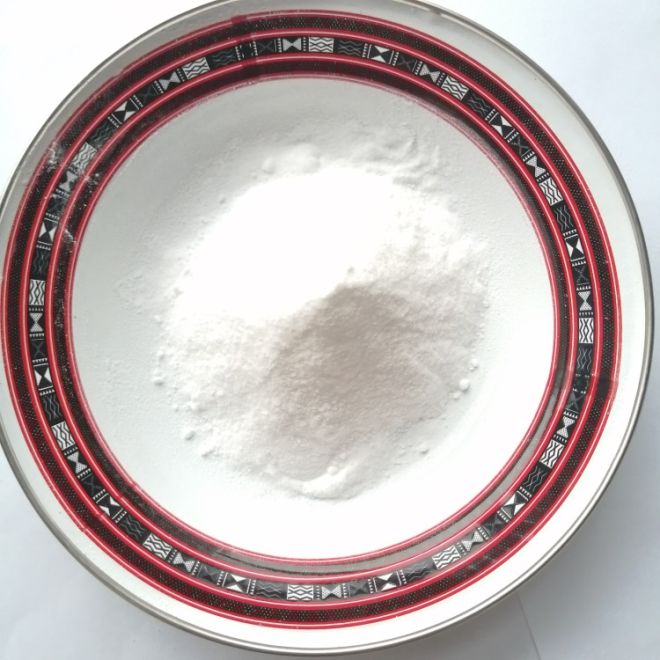
Heavy magnesium carbonate can rescue your PVC, improving stability, strength, and appearance. Studies, such as this review on PVC stabilization PVC Stabilization Report, show mineral additives help PVC last longer and perform better.
▶️ Role of Heavy Magnesium Carbonate as a PVC Processing Aid
Heavy magnesium carbonate works as a functional filler and stabilizer in PVC. It helps control viscosity, improves processing safety, and supports stable, repeatable production on extrusion and molding lines.
By balancing flow and stiffness, it lets processors run higher line speeds while keeping product quality high and reducing scrap during complex PVC profiles or sheets.
1. Improving Melt Flow and Processability
Heavy magnesium carbonate adjusts PVC melt viscosity so it flows smoothly in the barrel and die. This creates stable pressure, easier venting, and fewer surface defects.
- More uniform melt flow
- Lower screw torque peaks
- Better control at high fill levels
2. Better Dispersion of Additives and Fillers
Its fine particle size helps disperse pigments, stabilizers, and other fillers, including 99.2% stable high-purity barium carbonate, across the PVC matrix for consistent properties.
- Less agglomeration
- More uniform color
- Predictable mechanical performance
3. Reducing Plate-Out and Die Build-Up
Heavy magnesium carbonate can reduce plate-out on metal parts. This supports clean dies, smooth surfaces, and fewer shutdowns for cleaning in continuous PVC runs.
- Cleaner calender rolls
- Lower maintenance time
- More stable dimensional control
4. Synergy with Other Carbonate Additives
When used with Stable light magnesium carbonate or calcium carbonate, heavy magnesium carbonate helps fine-tune density, stiffness, and cost-performance in rigid and flexible PVC.
| Property | Effect |
|---|---|
| Bulk density | Improves packability and dosing |
| Viscosity | Balances flow and shape retention |
🔧 Improving Heat Stability and Reducing Decomposition During PVC Production
Heavy magnesium carbonate buffers hydrogen chloride (HCl) released from PVC at high temperature. This slows degradation, limits discoloration, and extends safe processing windows.
With better heat control, processors run higher temperatures when needed without burning, yellowing, or losing mechanical strength in finished PVC products.
1. HCl Scavenging and Thermal Buffering
Magnesium carbonate reacts with released HCl, forming stable salts. This reduces the chain reaction of PVC breakdown and helps maintain resin structure.
- Lower risk of scorch
- Smoother color over time
- Improved long-term stability
2. Supporting Primary Heat Stabilizers
Heavy magnesium carbonate supports tin, calcium-zinc, and mixed-metal stabilizers by sharing the heat load and extending their effective working time in PVC.
| Stabilizer System | Benefit from MgCO₃ |
|---|---|
| Ca/Zn | Better early-color retention |
| Sn-based | Improved processing margin |
3. Example: Discoloration Trend with and without Heavy Magnesium Carbonate
The chart below shows a typical drop in yellowing index when PVC uses heavy magnesium carbonate versus a control without it at the same processing temperature.
4. Safer High-Temperature Processing Window
With better heat resistance, extruders and calenders can work at slightly higher temperatures to boost productivity while still avoiding strong fumes and decomposition.
- More stable torque curves
- Reduced odor and smoke
- Less process scrap
🧱 Enhancing PVC Mechanical Strength, Hardness, and Dimensional Stability
Heavy magnesium carbonate reinforces PVC, raising stiffness and impact balance while helping parts keep their shape during use and storage.
This is vital for profiles, pipes, sheets, and other structural PVC parts that must resist bending, creep, and impact in daily service.
1. Stiffness and Hardness Improvement
Its rigid mineral structure increases modulus and surface hardness, making PVC parts more resistant to scratching and deformation under load.
- Higher Shore hardness
- Improved flexural modulus
- Better creep resistance
2. Dimensional Stability in Rigid PVC
Heavy magnesium carbonate limits shrinkage and warpage after cooling. This supports tight tolerances in pipes, window frames, and technical profiles.
| Property | Effect |
|---|---|
| Linear shrinkage | Reduced |
| Warpage | More controlled |
3. Balanced Impact Strength
When correctly dosed, it improves rigidity without making PVC too brittle, especially when used with impact modifiers in outdoor or cold-climate products.
- Controlled filler level
- Good low-temperature impact
- Longer service life
🌫️ Boosting PVC Whiteness, Surface Smoothness, and Filler Compatibility
Heavy magnesium carbonate offers natural whiteness, fine particles, and good dispersion, helping PVC products look brighter and feel smoother.
It also improves compatibility with other fillers, pigments, and processing aids, supporting stable color and a clean, glossy finish.
1. Higher Whiteness and Color Stability
Its bright base color helps upgrade whiteness and keeps shades more stable, especially in light-colored pipes, sheets, and profiles.
- Improved L-value
- Lower yellowing rate
- Less pigment demand
2. Smoother Surface and Gloss
Fine and controlled particle size reduces surface roughness, giving PVC a smooth touch and uniform gloss without extra polishing or coating steps.
| Feature | Result |
|---|---|
| Fine particles | Lower surface defects |
| Good dispersion | Even gloss and feel |
3. Compatibility with Other Functional Additives
Heavy magnesium carbonate works well alongside pigments, lubricants, and Sodium bicarbonate (baking soda) in special PVC recipes that need added functionality or gas control.
- Stable rheology
- Better pigment efficiency
- Reduced risk of defects
✅ Choosing High-Purity Heavy Magnesium Carbonate from Joylong for PVC Formulations
High-purity heavy magnesium carbonate from Joylong offers consistent particle size, low impurities, and stable performance across different PVC product lines.
This reliability helps engineers design robust recipes and maintain quality from lab trials to full-scale production.
1. Purity and Low Impurity Control
Strict control of metal and moisture impurities reduces side reactions, improves color stability, and keeps mechanical properties within narrow specs.
- Low heavy metals
- Controlled moisture
- Stable lot-to-lot quality
2. Tailored Particle Size and Bulk Density
Optimized particle size and bulk density help dosing, mixing, and melt flow, making scale-up easier for both rigid and flexible PVC lines.
| Parameter | Benefit |
|---|---|
| Particle size | Better dispersion |
| Bulk density | Accurate feeding |
3. Technical Support for PVC Formulation
Joylong can assist with loading levels, stabilizer balance, and processing conditions, helping PVC manufacturers shorten development time and cut testing cycles.
- Application guidance
- Sample evaluation support
- Long-term supply stability
Conclusion
Heavy magnesium carbonate is a powerful tool for PVC processors. It improves processing, heat stability, strength, surface quality, and overall part durability while controlling costs.
By choosing high-purity material and correct dosage, manufacturers can upgrade PVC performance in pipes, profiles, sheets, and films with reliable, repeatable results.
Frequently Asked Questions about use of heavy magnesium carbonate
1. What typical loading levels are used in PVC?
In rigid PVC, heavy magnesium carbonate often ranges from 2–15 phr, depending on desired stiffness and heat stability. Exact levels depend on other fillers and stabilizers.
2. Can it replace all other stabilizers in PVC?
No. Heavy magnesium carbonate supports but does not fully replace primary stabilizers such as Ca/Zn or tin systems. It works best as part of a combined stabilizer package.
3. Is heavy magnesium carbonate suitable for food-contact PVC?
It can be suitable when it meets relevant purity and regulatory standards. Always check local regulations and request detailed specifications from the supplier.
4. Does it affect PVC transparency?
Yes. Heavy magnesium carbonate is a white mineral filler, so it will reduce transparency. It is mainly used in opaque or colored PVC products.
5. How does moisture content impact processing?
High moisture can cause bubbles and surface defects. Using low-moisture, high-purity heavy magnesium carbonate and proper drying helps ensure smooth PVC processing.