


Your cables shouldn’t double as birthday candles, yet every test seems to end in a small BBQ. Flame standards glare at you, spreadsheets scream red, and your “fire-safe” label looks more like wishful thinking than science.
Use magnesium carbonate to tame heat, cut smoke, and pass stricter flame tests with confidence—this white paper and the NFPA report show clear data, simple formulations, and practical processing tips.
🔥 Overview of Magnesium Carbonate Applications in Modern Flame Retardant Systems
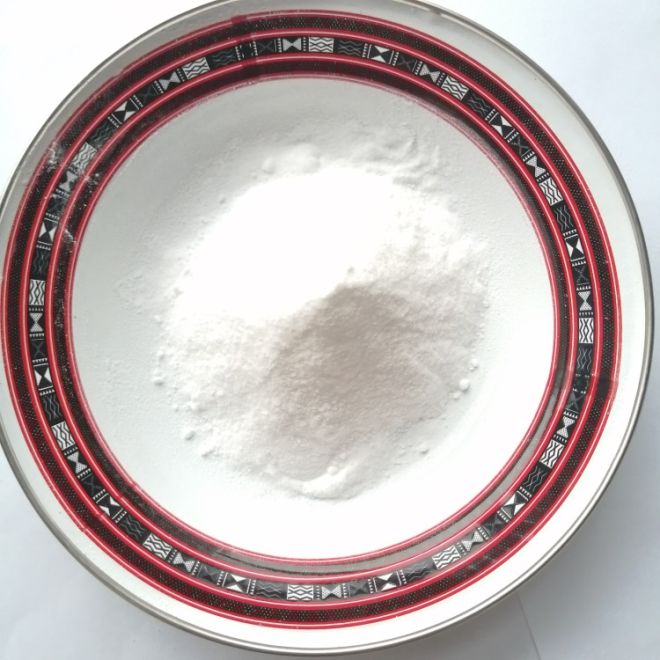
Magnesium carbonate (MgCO₃) is a key inorganic flame retardant that releases water and carbon dioxide when heated, lowers heat release rate, and improves char strength.
Engineers use it in cables, construction panels, and transport interiors to meet strict fire safety rules while preserving mechanical strength and processability.
1. Core Functions in Polymer Flame Retardancy
MgCO₃ works mainly through endothermic decomposition, dilution of combustible gases, and promotion of stable char layers on polymer surfaces.
- Absorbs heat during decomposition
- Releases CO₂ and water vapor
- Helps form compact, insulating char
- Reduces peak heat release rate
2. Key Application Fields
Magnesium carbonate supports multi-industry fire standards, especially in halogen-free systems demanding low smoke and low toxicity.
| Sector | Typical Use |
|---|---|
| Construction | Wall boards, insulation, coatings |
| Wire & Cable | Low-smoke halogen-free (LSHF) sheathing |
| Transport | Interior panels, seat foams |
| Electronics | Housings, connectors |
3. Material Selection and Particle Design
Fine control of particle size, surface treatment, and bulk density lets formulators balance dispersion, mechanical strength, and flame performance.
- Sub-micron grades for smooth surfaces
- Surface-treated grades for better polymer bonding
- Optimized bulk density for easy feeding and mixing
4. Comparison with Other Inorganic Fillers
Unlike many fillers, MgCO₃ combines thermal stability with effective smoke reduction, often improving processing flow and maintaining color stability.
| Additive | Main Role | Smoke Impact |
|---|---|---|
| MgCO₃ | Heat sink, char aid | Strong reduction |
| ATH | Water release | Moderate reduction |
| CaCO₃ | Cost filler | Limited effect |
🧪 Thermal Decomposition Mechanism and Smoke Suppression Performance Analysis
Under fire, magnesium carbonate decomposes in several steps, absorbing heat and releasing gases that dilute smoke and flammable vapors.
This behavior leads to lower smoke density, better visibility, and reduced toxic gas generation in real fire scenarios.
1. Stepwise Decomposition Pathway
MgCO₃ gradually converts to magnesium oxide, with each step consuming heat and reducing the energy available for polymer burning.
- Endothermic dehydration (for basic carbonates)
- CO₂ release between 300–450°C
- Stable MgO residue above 500°C
2. Impact on Heat Release and Ignition
By lowering surface temperature and limiting fuel vapor generation, MgCO₃ can delay ignition and reduce peak heat release rate in cone calorimeter tests.
| System | MgCO₃ Loading | Peak HRR Change |
|---|---|---|
| PP baseline | 0% | — |
| PP + MgCO₃ | 30% | ↓ 25–35% |
3. Smoke Density and Toxicity Reduction
Magnesium carbonate mainly lowers smoke optical density and reduces acidic gas peaks in standardized smoke chamber tests.
- Less soot formation due to cooler flame zone
- Lower CO and aromatic compounds
- Higher visibility for safe evacuation
4. Example Bar Chart: Smoke Density Comparison
The following chart illustrates a typical reduction in maximum specific optical density when MgCO₃ is added to a polyolefin system.
🏗️ Synergistic Effects with Other Inorganic Flame Retardant Additives
Magnesium carbonate often acts as a synergy booster with other inorganic flame retardants, improving performance at lower total filler loadings.
This helps maintain polymer toughness and processing speed in demanding cable, sheet, and molding applications.
1. Synergy with Metal Carbonates and Hydroxides
Combining MgCO₃ with aluminum or magnesium hydroxides can widen the effective temperature window and enhance dripping control.
- Staged water and CO₂ release
- Improved char cohesion
- Higher limiting oxygen index (LOI)
2. Interaction with High-Purity Barium Carbonate
In some PVC and engineering plastic systems, pairing MgCO₃ with 99.2% stable high-purity barium carbonate can fine-tune thermal stability and improve tracking resistance.
| Blend | Benefit |
|---|---|
| MgCO₃ + BaCO₃ | Better heat distortion temperature |
| MgCO₃ only | Maximum smoke suppression |
3. Halogen-Free Formulations with Gas-Phase Additives
MgCO₃ can support low-dose phosphorus or nitrogen additives, enabling halogen-free solutions that pass V-0 or LSZH cable standards.
- Balanced gas-phase and condensed-phase action
- Lower phosphorus dosage
- Improved mechanical strength retention
🌱 Environmental, Health, and Regulatory Advantages of Magnesium Carbonate
Magnesium carbonate is non-halogenated, low in toxicity, and aligns with major global fire and chemical regulations.
Its use supports greener product labels and sustainable building and transport certifications.
1. Compliance with Global Regulations
MgCO₃ helps formulators meet RoHS, REACH, and many national building codes that restrict halogens and high-smoke additives.
- No halogenated by-products
- Low heavy metal content with quality sourcing
- Stable supply chain and documentation support
2. Worker and End-User Safety
Properly handled magnesium carbonate has low acute toxicity and mild dust behavior compared with many legacy flame retardants.
| Property | MgCO₃ |
|---|---|
| Halogen content | None |
| Acute toxicity | Very low |
| Dust explosion risk | Low, but standard care needed |
3. Life-Cycle and Recycling Benefits
MgCO₃-based systems can support mechanical recycling and lower environmental load at end of life compared with brominated materials.
- No dioxin risk during disposal
- Better compatibility with regrind streams
- Potential for closed-loop production
🏭 Industrial Application Cases and Joylong Magnesium Carbonate Technical Advantages
Industrial users deploy Joylong magnesium carbonate in cables, plastics, and coatings that require repeatable flame and smoke performance.
Consistent particle control and purity help minimize batch variation and downtime in continuous production lines.
1. Cable and Wire LSFH Compounds
MgCO₃ works with aluminum hydroxide and other fillers to deliver low-smoke, low-toxicity cable sheathing that still processes at commercial speeds.
- Reduced die build-up
- Good surface finish and color
- Stable viscosity profile
2. Magnesium Carbonate Grade Selection
Formulators often choose Stable light magnesium carbonate for applications needing high surface area and easy dispersion in polymer matrices.
| Grade Type | Main Feature |
|---|---|
| Light MgCO₃ | High porosity, faster heat absorption |
| Dense MgCO₃ | Higher packing, better mechanicals |
3. Integration with Other Joylong Additives
In some foams and coatings, MgCO₃ can be combined with gas-release agents like Sodium bicarbonate (baking soda) for controlled expansion and improved fire behavior.
- Controlled cell structure in foams
- Lower density without losing strength
- Enhanced char formation under flame
Conclusion
Magnesium carbonate offers a balanced approach to flame retardancy by reducing heat, smoke, and toxic gases while keeping mechanical properties acceptable.
Its synergy with other inorganic and halogen-free additives makes it ideal for modern, regulation-ready cable, building, and transport materials.
Frequently Asked Questions about uses of mgco3
1. What are the main industrial uses of MgCO₃ in flame retardants?
MgCO₃ is mainly used in halogen-free cables, construction boards, transport interiors, and electronic housings to reduce heat release, smoke density, and toxic emissions.
2. How does MgCO₃ differ from calcium carbonate in plastics?
Calcium carbonate acts mostly as a cost filler, while MgCO₃ also absorbs heat and releases CO₂, giving real flame retardant and smoke suppression benefits.
3. Can MgCO₃ fully replace brominated flame retardants?
In many cable, board, and some plastic systems, MgCO₃ can be part of full halogen-free solutions, but it often works best in synergy with other additives.
4. Does magnesium carbonate affect polymer processing?
With correct grade and loading, MgCO₃ keeps good flow and surface quality. Optimized particle size and surface treatment help avoid viscosity and dispersion issues.
5. Is MgCO₃ suitable for eco-labeled building products?
Yes. Because it is halogen-free, low in toxicity, and recyclable-friendly, MgCO₃ supports many green building and low-emission certification schemes.