


Your tablet keeps crumbling like a stale cookie, powders won’t flow, and dissolution tests fail right before submission—heavy magnesium carbonate sounds helpful, but honestly, it feels like one more white, chalky mystery in the formulation lab.
This guide shows how to use heavy magnesium carbonate to boost tablet hardness, flow, and stability—without wrecking dissolution—backed by European Pharmacopoeia standards and practical formulation tips tailored to real pharma workflows.
💊 Definition, Properties, and Pharmaceutical-Grade Standards of Heavy Magnesium Carbonate
Heavy magnesium carbonate is a dense, alkaline excipient used in antacids, solid dosage forms, and buffered formulations. Its controlled particle size and purity support reliable, repeatable drug performance.
Pharmaceutical-grade material must meet strict pharmacopeial limits for heavy metals, loss on drying, microbial load, and identifiable chemical composition to ensure patient safety and batch consistency.
1. Physical and Chemical Characteristics
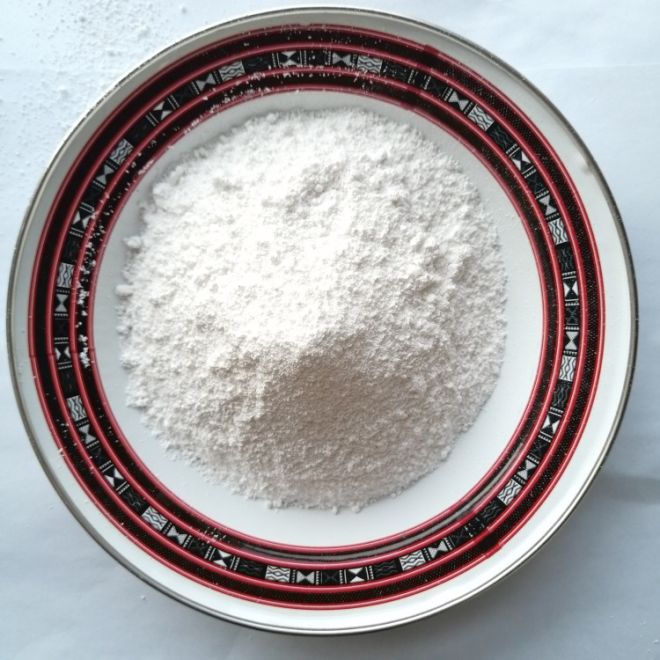
Heavy magnesium carbonate is a white, odorless powder with high bulk density and mild alkalinity. These traits support accurate dosing, smooth blending, and stable tablet structures.
- Insoluble in ethanol and most organic solvents
- Slightly soluble in acids, releasing carbon dioxide
- Provides gentle, sustained neutralizing action
2. Pharmaceutical-Grade Purity Requirements
Regulators require tight control of impurities and consistent composition. Manufacturers must validate processes and routinely test each batch before release.
| Parameter | Typical Limit |
|---|---|
| Magnesium content | Conforms to pharmacopeia |
| Heavy metals | Not more than defined ppm |
| Loss on drying | Within specified range |
3. Comparison with Related Carbonates
Formulators often compare heavy magnesium carbonate with other carbonate salts to match the best excipient to the dosage form and therapeutic goal.
- Stable light magnesium carbonate for lower density needs
- 99.2% stable high-purity barium carbonate for specialized technical uses
- Sodium bicarbonate (baking soda) for fast, strong neutralization
4. Key Functional Advantages in Drug Products
Its balance of density, alkalinity, and inertness supports stable formulations, good mouthfeel in antacids, and predictable performance over long shelf lives.
- Helps prevent moisture-driven degradation
- Improves powder flow and compressibility
- Supports pH control without harsh reactions
🧪 Role as an Antacid and Buffering Agent in Formulations
Heavy magnesium carbonate works as a gentle antacid that neutralizes excess gastric acid and maintains a stable pH in oral and topical formulations.
Its slower reaction profile helps reduce rebound acidity while supporting patient comfort and minimizing gas-related side effects compared to some fast-acting bases.
1. Mechanism of Antacid Action
In the stomach, heavy magnesium carbonate reacts with hydrochloric acid, forming soluble magnesium salts, water, and carbon dioxide, gradually raising gastric pH.
- Neutralizes acid without sudden pH spikes
- Magnesium ions may support mild laxative effects
- Suitable for combination antacid products
2. Buffering Capacity in Different Dosage Forms
It stabilizes pH in suspensions, chewable tablets, and powders for reconstitution. This protects pH-sensitive actives and improves product shelf life.
| Dosage Form | Primary Benefit |
|---|---|
| Chewable tablets | Patient-friendly acid control |
| Suspensions | Stable pH during storage |
| Powders | Flexible dosing and mixing |
3. ECharts Data Visualization: Antacid Use Distribution
The following chart shows sample usage distributions of heavy magnesium carbonate across key pharmaceutical antacid formats.
4. Combination with Other Antacid Agents
Formulators often blend heavy magnesium carbonate with faster antacids to balance onset of action, duration, and tolerability.
- Combine with calcium-based agents for stronger neutralization
- Use alongside alginates in reflux products
- Adjust ratios to reduce constipation or diarrhea risks
🧬 Function in Tablets: Filler, Stabilizer, and Disintegrant Applications
In tablets, heavy magnesium carbonate can act as a filler, stabilizer, or aid controlled disintegration based on particle design and formulation strategy.
This versatility allows one excipient to support several roles at once, simplifying supply chains and formulation development for high-volume products.
1. Filler and Diluent Role
Its density and compressibility make it an effective filler, improving tablet weight, mechanical strength, and content uniformity in low-dose formulations.
- Enhances tablet hardness
- Improves blend uniformity
- Supports accurate low-dose delivery
2. Stabilizing Sensitive Drug Substances
Heavy magnesium carbonate helps protect acid-labile actives by maintaining a slightly alkaline micro-environment around particles in solid dosage forms.
| Drug Type | Stability Benefit |
|---|---|
| Acid-sensitive APIs | Reduced degradation |
| Moisture-sensitive APIs | Improved shelf life |
3. Contribution to Tablet Disintegration
When properly engineered, its porous structure can aid water penetration, helping tablets break apart quickly and evenly in gastrointestinal fluids.
- Supports rapid disintegration
- Improves dissolution of poorly soluble drugs
- Works with other super-disintegrants
🩺 Safety Profile, Regulatory Requirements, and Quality Testing Parameters
Heavy magnesium carbonate has a long record of safe use when formulated correctly, but it must meet strict regulatory and quality standards.
Pharmacopoeias define acceptance criteria for identity, purity, and performance, while manufacturers maintain robust testing to ensure compliance.
1. Safety Considerations and Patient Tolerability
Magnesium salts are generally well tolerated at recommended doses, though high intake may cause diarrhea or affect patients with kidney impairment.
- Use caution in renal disease
- Monitor total magnesium exposure from all sources
- Follow labeled dosing limits
2. Regulatory and Pharmacopoeial Standards
Heavy magnesium carbonate must comply with relevant monographs in USP, EP, or other regional pharmacopoeias, along with GMP requirements.
| Area | Requirement |
|---|---|
| Identity | Conforms to official tests |
| Purity | Impurities below set limits |
| Documentation | Full traceability and CoA |
3. Core Quality Testing Parameters
Routine analysis covers chemical, physical, and microbiological aspects to keep every batch within agreed specifications.
- Assay of magnesium and carbonate content
- Particle size and bulk density checks
- Microbial limits and heavy metal testing
🏭 Choosing Reliable Suppliers for Heavy Magnesium Carbonate: Why Joylong Stands Out
Selecting a trusted supplier is essential to maintain consistent drug quality, avoid production issues, and meet global regulatory expectations.
Joylong focuses on pharmaceutical-grade carbonates, offering technical support, process control, and documentation tailored to regulated markets.
1. Consistent Quality and Traceability
Joylong implements strict GMP-style controls, from raw material sourcing to final packaging, ensuring reproducible performance in your formulations.
- Stable specifications and batch-to-batch uniformity
- Comprehensive certificates of analysis
- Audit-ready quality systems
2. Technical Support for Formulators
Joylong’s team helps optimize grade selection, particle size, and blending strategies to match your target tablet or suspension profile.
| Service | Benefit |
|---|---|
| Formulation advice | Shorter development time |
| Custom specs | Better process fit |
| Regulatory files | Smoother registrations |
3. Reliable Supply Chain and Global Reach
By maintaining secure logistics, safety stocks, and flexible packaging, Joylong supports continuous manufacturing and reduces risk of stock-outs.
- Multiple shipping options
- Batch reservations for key clients
- Support for international compliance
Conclusion
Heavy magnesium carbonate is a versatile excipient and antacid base that supports stable, effective, and patient-friendly pharmaceutical products. Its density, mild alkalinity, and safety profile suit many oral and topical forms.
Working with a reliable partner like Joylong helps ensure consistent quality, regulatory compliance, and efficient formulation development across global markets.
Frequently Asked Questions about uses of heavy magnesium carbonate
1. Is heavy magnesium carbonate safe for long-term use?
When used as directed, it is generally safe. However, patients with kidney impairment or those on magnesium-containing drugs should consult a healthcare professional first.
2. How does heavy magnesium carbonate differ from light magnesium carbonate?
Heavy grade has higher bulk density and different particle characteristics. It is better for compact tablets, while light grade suits applications needing lower density.
3. Can heavy magnesium carbonate be used alone as an antacid?
Yes, but many products combine it with other antacids to balance speed of action, duration, and side-effect profile such as constipation or diarrhea.
4. Does it affect the taste of oral formulations?
It has a mild, slightly chalky taste. Formulators usually add flavors and sweeteners in chewable tablets or suspensions to improve palatability.
5. What storage conditions are recommended?
Store in tightly closed containers, away from moisture and strong acids, in a cool, dry place. Follow the supplier’s recommended shelf-life and handling guidance.