

Tired of your “oil-slick” hair turning every selfie into a shine test? You’re not alone—many people juggle greasy roots, dull volume, and products that cost more than their last three brunches combined.
Magnesium carbonate offers affordable oil control, better volume, and improved texture. Studies show it absorbs sebum efficiently and supports scalp comfort (NIH clinical review). Switching to formulas using it can cut costs while keeping hair fresher, longer.
💡 Role of Magnesium Carbonate in Hair Product Cost Structures
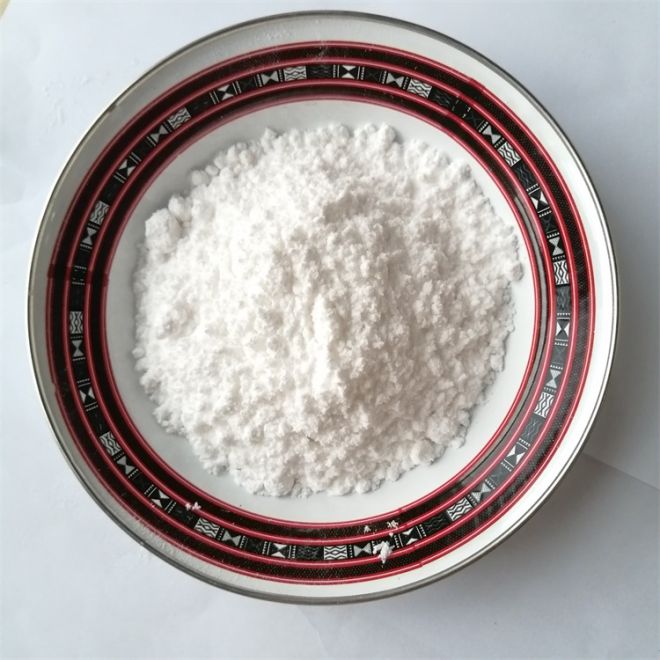
Magnesium carbonate works as an absorbent, bulking agent, and texture stabilizer in hair products. Its versatile function helps brands cut costs while keeping performance stable.
By replacing multiple higher-priced additives, it can reduce unit costs in dry shampoos, styling powders, and some conditioning masks without harming user feel.
1. Absorbency and Oil Control
Strong oil absorption lets formulators use less pigment and fragrance while still giving a clean, fresh feel on hair roots and scalp.
- Improves dry shampoo efficiency
- Reduces sebum on the scalp
- Supports long-lasting volume
2. Bulking and Flow Improvement
Magnesium carbonate adds bulk and improves powder flow, which helps reduce clogging in spray and shaker packaging during filling and use.
| Function | Benefit |
|---|---|
| Bulking | Lower pigment loading per batch |
| Flow aid | Smoother, faster filling lines |
3. Stability and Shelf Life
Its inert nature supports formula stability, limiting caking and phase separation that can cause returns and waste in warehouses and retail.
4. Regulatory and Safety Advantages
Magnesium carbonate has a long safety history, which can reduce regulatory costs, testing repetition, and reformulation risk over the product life cycle.
📊 Comparing Raw Material Costs: Magnesium Carbonate Versus Alternative Hair Additives
Formulators often compare magnesium carbonate with starches, clays, and silica. Each offers different cost, usage levels, and sensory qualities in hair products.
Understanding unit price, inclusion rate, and performance allows purchasing teams to choose magnesium carbonate grades that give the lowest cost per effective dose.
1. Typical Cost per Kilogram
Benchmark costs show magnesium carbonate usually prices below premium silica and specialty clays but may sit above some native starches.
2. Cost per Functional Performance
When normalized by oil absorption or volume boost, magnesium carbonate often delivers a stronger cost-to-benefit ratio than more expensive alternatives.
| Material | Relative dose | Cost per use |
|---|---|---|
| Magnesium carbonate | 1.0× | Baseline |
| Silica | 0.8× | Higher |
| Clay | 1.2× | Similar |
3. Comparing with Baking Soda and Other Carbonates
Products sometimes combine magnesium carbonate with Sodium bicarbonate (baking soda) for deodorizing and mild cleansing, sharing logistics and reducing total raw material complexity.
4. Premium Versus Standard Grades
Special grades, such as Stable light magnesium carbonate, may carry a higher price but cut waste, dust, and handling time, improving net production economics.
🧪 Impact of Magnesium Carbonate Concentration on Overall Formula Cost Efficiency
Small shifts in magnesium carbonate dosage can change product feel, stability, and cost per unit, especially in powder-heavy hair formats.
Formulators should test dose ranges to find the minimal level that still reaches target performance and customer satisfaction.
1. Low-Dose Inclusion (1–3%)
At low levels, magnesium carbonate enhances volume and matte finish without chalky buildup, which protects brand perception and repeat purchase rates.
- Subtle oil control
- Minimal whiteness on dark hair
- Lower raw material cost impact
2. Medium-Dose Inclusion (3–8%)
Medium doses suit dry shampoos and texture powders that require stronger oil absorption and hold, while still keeping combability acceptable.
3. High-Dose Inclusion (>8%)
High loads give maximum absorbency but may feel dusty. Brands can offset this with conditioning agents or partial substitution with other fillers.
| Dose level | Performance | Cost risk |
|---|---|---|
| Low | Light control | Low |
| Medium | Balanced | Moderate |
| High | Strong control | Higher if overused |
🏭 Production, Storage, and Handling Expenses Related to Magnesium Carbonate Use
Handling powders drives hidden costs in hair product factories, from dust control to equipment cleaning and worker safety measures.
Choosing the right grade and particle size of magnesium carbonate can limit these indirect expenses and keep lines running smoothly.
1. Processing and Equipment Wear
Consistent particle size helps reduce nozzle blockages and mechanical wear, which lowers downtime and extends filling and blending equipment life.
2. Storage and Moisture Control
Magnesium carbonate should stay dry to avoid caking. Simple pallet covers and dehumidified rooms protect flow properties and reduce rework.
- Use sealed bags or lined big bags
- Store off the floor on pallets
- Avoid large temperature swings
3. Safety and Dust Management
Good dust extraction and proper PPE support safe handling. Lower-dust grades can reduce filtration costs and cleaning time per batch.
| Measure | Benefit |
|---|---|
| Local exhaust | Cleaner air |
| Enclosed transfer | Less loss and spill |
✅ Cost-Effective Formulation Strategies with Magnesium Carbonate, Prioritizing Joylong as Supplier
Partnering with a specialized carbonate supplier allows hair brands to fine-tune technical specs, pricing tiers, and logistics support for global production lines.
Joylong’s portfolio, which also includes 99.2% stable high-purity barium carbonate, supports cross-category optimization in different personal care systems.
1. Optimizing Grade Selection
Choosing between standard and stable light magnesium carbonate grades lets brands balance cost, flow, and sensory outcomes for each hair product type.
- Match particle size to spray or jar formats
- Use lighter grades in leave-on powders
- Reserve denser grades for masks
2. Blending with Complementary Additives
Blends of magnesium carbonate with starch, clays, and conditioners can reach target feel at lower total solid levels, protecting margin.
3. Leveraging Supplier Technical Support
Close work with Joylong’s technical team helps shorten development cycles, avoid failed batches, and secure more stable long-term pricing agreements.
| Support type | Impact |
|---|---|
| Application advice | Faster scale-up |
| Quality consistency | Fewer rejects |
Conclusion
Magnesium carbonate offers a strong cost–performance balance for many hair products, especially dry shampoos, styling powders, and some treatments.
By controlling dose, grade, and handling practices, brands can lower raw material, processing, and quality costs while keeping users happy with clean, light hair feel.
Frequently Asked Questions about magnesium carbonate good for hair
1. Is magnesium carbonate safe for hair and scalp?
Yes. When used at normal cosmetic levels, magnesium carbonate is considered safe. It mainly sits on the hair surface and helps absorb excess oil.
2. Does magnesium carbonate dry out hair?
High levels can feel drying on very fine or damaged hair. Formulators often balance it with mild conditioners to protect softness and flexibility.
3. Why choose magnesium carbonate over silica in dry shampoos?
Magnesium carbonate often costs less and gives a softer, less gritty feel. It can provide strong oil control with good spreadability on the scalp.
4. Will magnesium carbonate leave white residue on dark hair?
It can if overused. Finely milled grades, controlled levels, and good brushing or blow-drying help reduce white marks on dark hair.
5. Can magnesium carbonate support volume and texture styling?
Yes. It increases friction between hair strands, adding grip and volume. This works well in texture powders and some matte styling products.