


Plastic parts overheating faster than your morning coffee, warping, and refusing to stay cool? Let’s admit it—your polymer probably needs a “chill pill” before the next round of thermal stress tests.
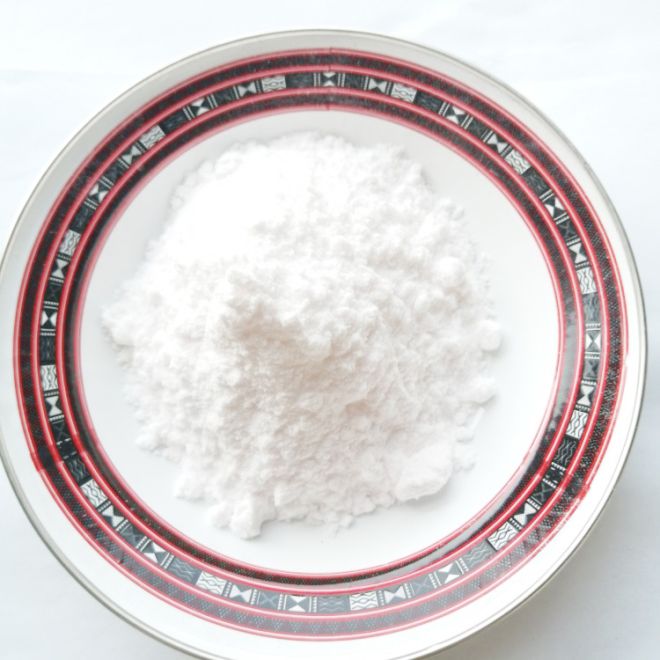
Boron nitride powder boosts thermal conductivity, reduces friction, and helps plastics stay dimensionally stable—without adding electrical conductivity. Learn more from this detailed overview by the AZoM materials report.
🔹 Thermal Conductivity Enhancement in Polymer Matrices with Boron Nitride Powder
Boron nitride powder helps plastics move heat away from key parts. It improves thermal conductivity while keeping parts light, moldable, and electrically insulating.
This makes it ideal for LED housings, battery parts, and electronic connectors where metal is too heavy or risky.
1. Mechanism of Heat Transfer Improvement
Hexagonal boron nitride forms continuous heat paths in the polymer. These paths let heat flow faster compared with unfilled or mineral-filled plastics.
- Platelet structure links into networks
- High intrinsic thermal conductivity
- Stable performance at high temperature
2. Typical Loading Levels in Compounds
Engineers adjust boron nitride loading to balance flow, strength, and heat performance for each plastic grade and molding process.
| Application | BN wt% | Target Thermal Goal |
|---|---|---|
| LED housings | 20–35% | Moderate to high heat spread |
| Power modules | 30–45% | High heat dissipation |
| Battery parts | 15–30% | Improved safety and life |
3. Design Benefits for Electronic Components
Using boron nitride in polymers often lets designers replace metal parts, cut weight, and simplify assembly while keeping good thermal paths.
- Lighter than aluminum or copper
- Corrosion free and chemically stable
- Allows complex molded shapes
4. Links with Other Boron-Based Products
Engineers often evaluate related boron materials alongside boron nitride, such as Borate Fertilizer/Boron Fertilizer in agriculture and High-purity industrial-grade boric acid in glass, flame retardants, and ceramics.
🔹 Improving Electrical Insulation Properties of Plastic Compounds Using Boron Nitride
Boron nitride keeps polymers electrically insulating while raising thermal performance. This balance is key in tight, hot, and high-voltage electronic spaces.
It helps avoid electrical leakage, partial discharge, and hot spots in power devices and EV systems.
1. Dielectric Strength and Volume Resistivity
Boron nitride maintains very high resistivity even at elevated temperatures. This allows safe use near busbars, coils, and live tracks.
- Supports higher operating voltages
- Reduces risk of tracking and arcing
- Stable under humidity and heat
2. E‑Charts: Thermal vs. Electrical Performance Comparison
The chart below compares a base polymer, BN-filled polymer, and traditional mineral-filled polymer for thermal conductivity and volume resistivity.
3. Creepage, Clearance, and Design Freedom
The high insulation of BN-filled plastics supports tighter clearances around live parts, which helps shrink housings and increase power density.
| Material | Wall Thickness | Typical Use |
|---|---|---|
| Standard FR plastic | Thicker | Low to medium voltage |
| BN-filled plastic | Thinner | High voltage, compact parts |
4. Key Applications in High-Voltage Systems
Designers widely use BN-filled plastic compounds in EV inverters, charging modules, and power converters because they need both strong insulation and heat control.
🔹 Processing Considerations for Dispersing Boron Nitride in Thermoplastics
Effective boron nitride dispersion in thermoplastics requires careful compounding, screw design, and mold setup to avoid plate breakage and poor flow.
1. Compounding and Mixing Strategy
Processors often use twin-screw extruders and staged feeding of boron nitride to control shear and get uniform dispersion.
- Side feeding for fragile platelets
- Medium shear to avoid damage
- Use of surface-treated BN grades
2. Effect on Melt Flow and Viscosity
Higher BN loadings raise melt viscosity, so processors adjust temperature, screw speed, and gate design to keep stable filling.
| BN Loading | Flow Behavior | Typical Fix |
|---|---|---|
| Low (≤15%) | Slight rise in viscosity | Minor temperature increase |
| Medium (15–30%) | Notable flow drop | Larger gates, higher pressure |
| High (>30%) | Very stiff melt | Short flow paths, higher melt temp |
3. Orientation and Part Design
Flow tends to align BN platelets, so designers place gates and ribs to guide thermal paths along the main heat flow direction.
🔹 Comparing Boron Nitride Fillers with Traditional Mineral Additives in Polymers
Boron nitride often gives better heat transfer and insulation than silica, alumina, or talc while keeping lower density than metal fillers.
1. Performance Comparison
Compared with common minerals, BN usually offers higher thermal conductivity at similar loading and maintains better electrical resistivity.
| Filler | Thermal | Electrical | Notes |
|---|---|---|---|
| Talc | Low | Insulating | Cheap, for stiffness |
| Alumina | Medium | Insulating | Higher density |
| Boron nitride | High | Excellent | Light, premium |
2. Weight, Processability, and Cost
BN-filled systems are lighter than metal-filled plastics and often process easier than high-load alumina compounds, though they cost more per kilogram.
- Lower part weight for mobile devices
- Good balance of flow and strength
- Higher material cost but lower system cost
3. When to Choose Boron Nitride
Use boron nitride when you need strong heat control, high insulation, or lower weight that basic mineral fillers cannot deliver.
🔹 Joylong Boron Nitride Solutions for High-Performance Polymer and Plastic Applications
Joylong offers tailored boron nitride powders and compounds to meet strict thermal, electrical, and processing targets across many polymer systems.
1. Product Portfolio for Polymers
Joylong supplies various Boron Nitride grades for engineering plastics, thermosets, and specialty elastomers.
- Different particle sizes and shapes
- Surface-modified options for better bonding
- Grades tuned for extrusion or injection molding
2. Target Industries and Key Uses
Joylong BN materials support LED, EV, telecom, and industrial power markets that demand reliable thermal and electrical performance.
| Industry | Typical Part | Benefit |
|---|---|---|
| Electronics | LED housings | Cooler operation |
| EV | Inverter cases | Higher power density |
| Industrial | Power modules | Longer life |
3. Technical Support and Customization
Joylong helps customers pick the right BN grade, set compounding windows, and refine mold design to get stable, repeatable production.
Conclusion
Boron nitride powder turns standard polymers into high-performance thermal management and insulation materials. It helps designers replace metal, shrink parts, and increase reliability in tight, hot spaces.
With optimized processing and the right grade selection, BN-filled plastics offer a strong mix of heat transfer, electrical safety, and design freedom.
Frequently Asked Questions about boron nitride powder
1. Is boron nitride powder electrically conductive?
No. Hexagonal boron nitride is an excellent electrical insulator. It carries heat well but does not carry electric current, even at high temperatures.
2. Can boron nitride be used in standard injection molding machines?
Yes. Most BN-filled compounds run on standard equipment. You may need higher melt temperature, stronger injection pressure, and adjusted gate design.
3. Does boron nitride affect the color of plastic parts?
BN is typically white, so it supports light colors and reflective parts. Masterbatches can still add pigments, though very dark shades may need testing.
4. How does boron nitride impact part strength?
BN can keep good mechanical strength at moderate loadings. Very high loadings may lower impact strength, so each design needs balance and testing.
5. Is boron nitride safe to handle in production?
BN is generally considered low toxicity. Standard dust control, masks, and local exhaust are recommended when handling dry powder or during compounding.