


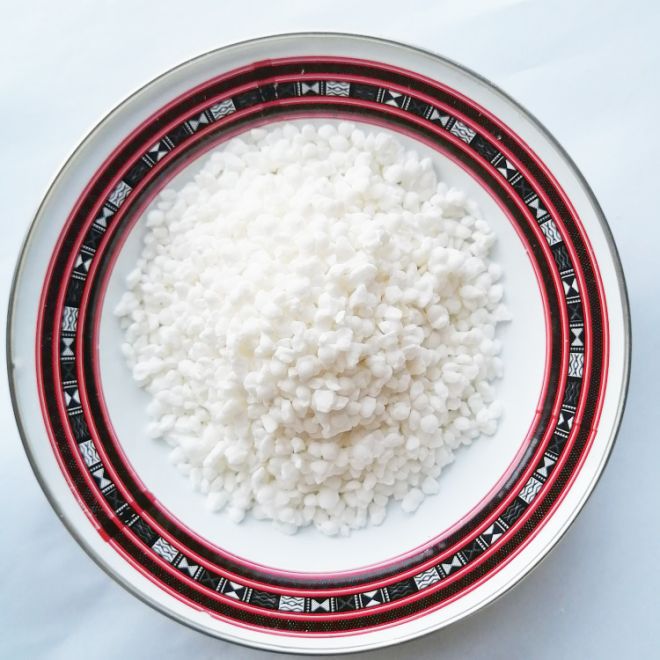
You’re tired of tools that give up faster than a cheap umbrella in a storm, and now cubic boron nitride sounds like some sci‑fi crystal instead of the secret to stopping your cutters from crying.
Use cubic boron nitride for hard turning, grinding, and machining superalloys to boost tool life and accuracy; see this detailed overview from Sandvik Coromant here.
🔧 High-precision cutting tools using cubic boron nitride for hard metals
Cubic boron nitride (CBN) cutting tools offer strong performance when machining hardened steels, cast irons, and superalloys. They keep sharp edges, cut faster, and reduce tool changes.
Their hardness is second only to diamond, but CBN resists chemical wear with iron-based alloys. This makes it ideal for stable, high-precision turning and milling in mass production.
1. Benefits of CBN inserts in hard turning
CBN inserts replace some grinding steps by finishing hardened steel parts in a single turning pass. This shortens cycle time and improves surface quality.
- High cutting speed with low tool wear
- Excellent dimensional accuracy for shafts and gears
- Lower cost per part in large series
2. CBN tools in gear and transmission machining
Gear makers use CBN tools to finish hardened teeth and splines. Stable tool life keeps tolerances tight and reduces machine downtime.
| Operation | Typical Material | CBN Advantage |
|---|---|---|
| Hard turning | Hardened steel 58–65 HRC | Replaces grinding |
| Gear finishing | Alloy steel | Consistent tooth profile |
3. Surface finish and dimensional stability
CBN tools maintain a constant cutting edge radius, which helps produce smooth surfaces and stable dimensions on bearing seats and precision rings.
- Reduced chatter on rigid machines
- Fine Ra values without extra polishing
4. Synergy with boron-based process materials
In precision foundry and heat treatment lines, CBN tools often work alongside boron materials such as Boron Oxide 98% 120mesh/200mesh for Ramming Mass and High-purity industrial-grade boric acid to support clean, stable machining conditions.
⚙️ Cubic boron nitride grinding wheels for hardened steel surface finishing
CBN grinding wheels deliver stable, cool grinding on hardened steels. They keep form accuracy longer than conventional abrasives and help reduce thermal damage.
These wheels support high material removal while still giving smooth surfaces on tools, bearings, and mold components used in demanding industries.
1. Stable grinding performance on hardened parts
CBN wheels show slow wear, which helps keep profiles and corner radii accurate. This is key for precision dies and mold inserts.
- High stock removal with less dressing
- Reduced burn and microcracks
2. Heat control and surface integrity
CBN grains cut efficiently and limit heat build-up. Parts keep their hardness and compressive stress, which supports longer service life.
| Wheel Type | Use | Key Benefit |
|---|---|---|
| Resin-bond CBN | Tool regrinding | Cool cutting |
| Vitrified CBN | Cylindrical grinding | Form stability |
3. Sample removal rate comparison
The chart below shows an example comparison of removal rates between CBN and conventional wheels when grinding hardened steel under set conditions.
4. Links with boron-based additives
Grinding shops may also use boron in upstream processes, for example Borate Fertilizer/Boron Fertilizer in raw material supply chains or boron compounds in alloy design, which can support better grindability and tool life.
🔥 High-temperature machining applications benefiting from cubic boron nitride stability
CBN keeps hardness and strength at high cutting temperatures. It allows dry or near-dry machining of heat-treated steels and nickel-based alloys.
1. Dry turning of heat-treated steel
In automotive shafts and bearing rings, CBN enables dry hard turning. Plants cut coolant use and still keep tight tolerances and smooth surfaces.
- Lower fluid cost
- Cleaner work zones
2. Machining nickel and cobalt alloys
For turbine and energy parts, CBN tools handle hot, tough alloys. They run at higher speeds than many carbide tools while resisting crater wear.
3. Stable cutting edges at red heat
CBN’s crystal structure resists softening at red heat. This gives a consistent chip form and steady tool wear on long production runs.
🏭 Industrial wear-resistant components enhanced with cubic boron nitride coatings
Thin CBN-based coatings improve wear, erosion, and heat resistance on parts that face strong friction and impact in service.
1. Protection for pump and valve parts
CBN coatings on pump shafts and valve seats reduce abrasion from slurries and fine particles. This supports longer intervals between maintenance stops.
- Lower leakage risk
- Higher uptime in chemical plants
2. Wear control in forming and stamping tools
Stamping dies and forming tools with CBN coatings keep edges sharp longer. They resist adhesive wear when working with high-strength steels.
| Component | Issue | CBN Coating Effect |
|---|---|---|
| Forming die | Edge rounding | Slower wear |
| Punch | Gall marks | Smoother surface |
3. High-load machine components
CBN-coated bearing races and liners handle high contact stress while reducing friction. This combination supports energy savings and longer machine life.
🧪 Joylong cubic boron nitride for advanced research and specialized machining tasks
Joylong supplies tailored CBN grades for R&D labs and niche machining tasks, helping engineers study new alloys and extreme cutting conditions.
1. Customized particle size and morphology
Researchers can choose CBN particle sizes and shapes for specific bonds, from resin to vitrified. This fine control supports clear, repeatable test results.
- Narrow size distribution
- Stable crystal form
2. Support for hybrid and multi-material tools
Joylong CBN can combine with other ceramics or metals to form hybrid tools. Labs explore new tool bodies for higher speed and lower wear.
3. Process integration with other boron products
Using Joylong CBN together with boron materials like boron oxide ramming mixes or industrial boric acid helps users design complete, boron-based process chains from melting to final machining.
Conclusion
Cubic boron nitride plays a key role in high-precision cutting, grinding, coating, and research. Its hardness and heat stability support fast, stable, and clean machining.
By pairing CBN with suitable boron materials and process control, manufacturers gain better tool life, higher output, and reliable quality across many metalworking sectors.
Frequently Asked Questions about cubic boron nitride
1. How is cubic boron nitride different from diamond?
Diamond is harder, but it reacts with iron at high temperature. CBN is slightly softer yet remains stable with steels, so it is preferred for hardened steel machining.
2. When should I choose CBN tools over carbide?
Use CBN when machining hardened steels above about 55 HRC, or when you need to replace grinding with hard turning and keep a stable surface finish.
3. Can CBN be used for stainless steel?
CBN can machine some stainless steels, but its main strength is hardened steels and cast irons. For soft stainless grades, advanced carbide is often more economical.
4. Do CBN wheels need special machines?
CBN wheels work best on rigid, precise machines with accurate spindles. Many modern grinders can use CBN with correct wheel flanges, coolant, and dressing tools.
5. Is cubic boron nitride safe to handle?
Yes, CBN is chemically stable and non-toxic in normal use. Follow standard safety rules for grinding dust, coolants, and high-speed rotating tools.