

Your kiln misbehaves, colors look dull, and glass acts like it skipped chemistry class—so now you’re googling “Why does my glaze hate me?” instead of proudly showing off flawless tiles, bowls, and sparkle-perfect glassware.
Use borax pentahydrate to improve melting, boost glaze durability, and stabilize colors; industry research, such as the Boron in Glass and Ceramics report, shows how controlled boron levels help you achieve consistent, reliable ceramic and glass performance.
🔹 Role of Borax Pentahydrate in Ceramic Glaze Formation and Stability
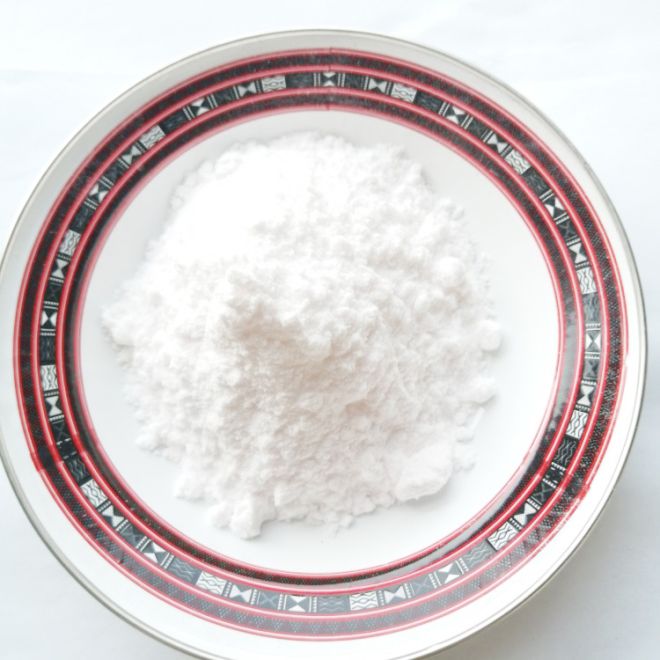
Borax pentahydrate is a key boron source in ceramic glazes. It lowers melting temperature, improves glass formation, and helps glazes stay smooth and stable during firing.
By forming strong borosilicate networks, it increases chemical resistance and reduces crazing. It also improves gloss, clarity, and long‑term durability of tiles, tableware, and sanitary ceramics.
1. Flux Function in Glaze Melting
Borax pentahydrate acts as a powerful flux. It reduces firing temperatures and helps silica and alumina melt evenly, which leads to more stable and uniform glazes.
- Promotes early melting and glass phase formation
- Reduces energy use and firing time
- Improves wetting on ceramic bodies
2. Glaze Stability and Chemical Resistance
The boron in borax creates stable glass networks. This boosts resistance to water, cleaning agents, and food acids, which is vital for functional ceramics.
| Property | Without Borax | With Borax Pentahydrate |
|---|---|---|
| Chemical durability | Medium | High |
| Glaze leaching | Higher risk | Lower risk |
3. Control of Glaze Defects
Proper borax dosing limits pinholes, crawling, and blistering. It improves melt flow and bubble release, raising yield in industrial production lines.
- Smoother melt and bubble escape
- Less micro‑cracking and crazing
- Better coverage on sharp edges
4. Synergy with Other Boron Materials
In many plants, borax pentahydrate works alongside High-purity industrial-grade boric acid and even ceramic-grade Boron Nitride to fine‑tune glaze flow, release properties, and kiln performance.
🧪 Influence on Melting Temperature, Viscosity, and Workability of Glass Batches
In glass manufacturing, borax pentahydrate adjusts melting behavior, viscosity, and workability. It helps achieve clear, bubble‑free glass at lower temperatures and with more stable furnace control.
By balancing alkalis and silica, it improves forming, molding, and drawing processes used for flat glass, containers, and specialty borosilicate glass.
1. Lowering Melting Temperature
Borax pentahydrate reduces batch melting temperature, cutting fuel costs and extending furnace life. It also supports flexible production windows for different glass types.
2. Viscosity and Forming Window
Controlled boron levels help set a useful viscosity range. This gives operators more time and control in pressing, blowing, or rolling glass products.
- Smoother forming at lower temperatures
- Improved shape accuracy
- Fewer defects from sagging or stiff glass
3. Workability in Specialty Glass
Borax pentahydrate is vital in borosilicate and technical glass. It improves thermal shock resistance while keeping the glass workable for tubing, labware, and lighting.
4. Batch Homogeneity and Fining
It aids mixing and fining, helping gases escape during melting. This results in fewer seeds, blisters, and optical defects.
| Effect | Impact on Glass |
|---|---|
| Better fining | Fewer bubbles |
| Homogeneous melt | Stable refractive index |
🔥 Thermal Expansion Control and Crack Prevention in Ceramic and Glass Products
Borax pentahydrate helps control thermal expansion. It reduces stress between bodies and glazes or between glass layers, lowering crack and craze risk.
1. Matching Glaze and Body Expansion
By adding boron, glaze expansion can be tuned closer to the ceramic body. This balance greatly reduces tensile stress during cooling and daily use.
- Less craze on tableware
- Improved long‑term durability
2. Improving Thermal Shock Resistance
In glass and high‑performance ceramics, borax‑derived borosilicate phases limit expansion swings. Products handle fast heating and cooling with fewer fractures.
3. Design of Multi‑Layer Systems
Engineers use borax to adjust expansion of coating layers, frits, and seals. This is vital in stoves, cooktops, and enamel coatings.
🎨 Enhancing Color Development, Gloss, and Surface Finish with Borax Pentahydrate
Borax pentahydrate improves color response, gloss, and surface finish in ceramic glazes and glass. It supports bright, clean, and stable decorative effects.
1. Colorant Solubility and Brightness
Boron‑rich glazes dissolve many metal oxides more evenly. This leads to clear, bright colors and less specking or patchy areas across the fired surface.
- Better copper and cobalt tones
- Stable chrome greens and iron browns
2. Gloss and Transparency
Borax enhances glass phase formation, giving higher gloss and improved transparency. Tiles, sanitary ware, and tableware gain a richer, smoother look.
3. Surface Smoothness and Cleanability
A well‑balanced borax content minimizes pinholes and roughness. Surfaces clean more easily and keep their appearance longer in daily service.
🏭 Safe Handling, Storage, and Industrial Application Guidelines from Joylong Borax Products
Joylong supplies consistent borax pentahydrate grades and gives guidance on safe handling, storage, and dosing for ceramic and glass producers worldwide.
1. Handling and Worker Safety
Use standard protective gear, avoid dust, and ensure ventilation. Follow local regulations and Joylong safety data when setting plant procedures.
- Wear gloves, goggles, and dust masks
- Use closed feeding systems when possible
2. Storage and Material Quality
Store borax pentahydrate in dry, covered silos or bags. Keep away from moisture to prevent caking and maintain reliable feeding behavior.
3. Integrated Boron Solutions
Joylong also supports glass, ceramic, and agricultural users with products such as Borate Fertilizer/Boron Fertilizer, helping customers manage boron across multiple processes and markets.
Conclusion
Borax pentahydrate is a versatile tool for ceramic and glass manufacturers. It supports controlled melting, stable glazes, and durable, attractive surfaces.
By working with trusted suppliers like Joylong, plants can improve energy use, reduce defects, and design products that stay beautiful and safe in daily use.
Frequently Asked Questions about borax pentahydrate
1. What is borax pentahydrate?
Borax pentahydrate is a boron‑containing mineral salt with five water molecules. It is widely used as a flux in ceramics, glass, detergents, and metallurgy.
2. Why use borax pentahydrate instead of other fluxes?
It brings boron into the melt, which lowers melting temperature, increases chemical durability, and improves thermal shock resistance compared with many simple alkali fluxes.
3. Is borax pentahydrate safe to handle?
When used correctly, it is safe in industry. Avoid dust, use basic protective equipment, and follow safety data sheets and local regulations.
4. How does borax pentahydrate affect glaze color?
It helps dissolve color oxides more evenly, often giving brighter, cleaner colors and better gloss. Very high levels, however, can shift some tones.
5. Can borax pentahydrate be used in food‑contact ceramics and glass?
Yes, when properly formulated. Glazes and glasses must be tested to ensure low leaching and compliance with food‑contact standards in the target market.