

Tired of mystery white powders piling up in your factory like suspicious baking soda? Let’s admit it: figuring out what borax anhydrous actually does (without a chemistry degree) can feel like reading a foreign language safety sheet.
Relax—this guide breaks down borax anhydrous uses in glass, ceramics, metallurgy, and detergents in simple steps, backed by data from the NIH PubChem report, so you can use it safely and efficiently.
⚙️ Role of Borax Anhydrous White Powder in Glass and Ceramics Production
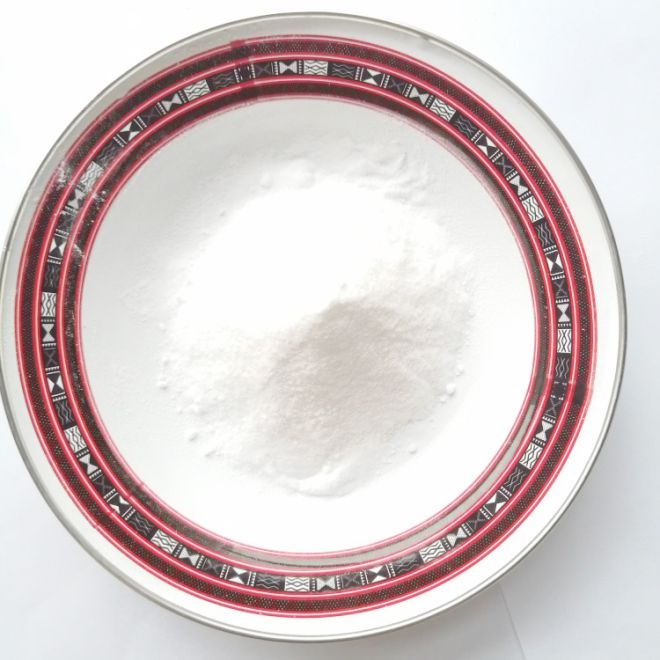
Borax anhydrous white powder improves glass and ceramic performance by lowering melting temperature, refining the melt, and enhancing clarity, strength, and thermal shock resistance.
Its stable boron content makes it a reliable raw material in industrial furnaces, specialty glass, and technical ceramics for electronics, insulation, and structural parts.
1. Lowering Melting Point and Energy Use
Borax acts as a strong flux in glass and ceramic batches, cutting firing temperatures and saving fuel. Producers gain lower costs and more stable firing curves.
- Reduces kiln energy demand
- Improves melt flow and homogeneity
- Supports dense, defect-free bodies
2. Improving Glass Clarity and Chemical Durability
In borosilicate glass and specialty formulations, borax enhances optical clarity and resistance to water and chemicals, extending product life in harsh service.
| Property | Effect of Borax |
|---|---|
| Clarity | Reduces bubbles and streaks |
| Chemical resistance | Improves acid and alkali stability |
| Weathering | Lowers surface corrosion |
3. Strength and Thermal Shock Resistance in Ceramics
Borax promotes a glassy phase in ceramic bodies, giving tiles, tableware, and technical parts better impact strength and resistance to rapid temperature change.
4. Synergy with Other Boron Materials
In high-performance systems, borax can work alongside Boron Nitride and similar boron products to fine-tune thermal, electrical, and abrasion properties for advanced ceramics.
🧪 Borax Anhydrous as a Flux in Metallurgy and Welding Applications
In metallurgy and welding, borax anhydrous white powder cleans metal surfaces, dissolves oxides, and supports smooth, strong joints during brazing and forge work.
Its stable behavior at high temperature makes it ideal in steelmaking, non-ferrous refining, and filler metal systems for repeatable results and fewer defects.
1. Oxide Removal and Surface Cleaning
Molten borax dissolves metal oxides and scale, exposing clean metal. This helps create strong bonds and lowers the chance of porosity in welds and brazed joints.
2. Brazing and Forge Welding Performance
As a flux, borax spreads over hot metal, shielding it from air. Smiths and fabricators get smoother flow of filler and better joint wetting.
- Improves filler spread and capillary action
- Reduces spatter and slag inclusions
- Supports consistent bead appearance
3. Steel and Non-Ferrous Metallurgy
Foundries use borax to refine metal, control slag, and capture impurities. This boosts cleanliness and helps maintain the desired alloy composition.
4. Data Snapshot: Flux Use Across Industries
The chart shows a simple comparison of borax flux usage share in four common industrial sectors.
🧼 Industrial Cleaning and Detergent Formulations Using Borax Anhydrous White Powder
Borax anhydrous works as a builder, pH buffer, and mild abrasive in industrial cleaners, boosting cleaning strength while protecting surfaces.
1. Detergent Builder and Water Softener
In laundry and hard-surface cleaners, borax ties up calcium and magnesium ions, improves surfactant action, and helps remove oily and particulate soils.
- Softens hard process water
- Reduces detergent dose needed
- Improves rinsing and brightness
2. pH Control and Odor Reduction
Borax buffers alkaline formulations, stabilizing pH over time. It also helps control odors in industrial laundries and food plant sanitation programs.
3. Safe Abrasive and Stabilizer
Fine borax particles can act as a gentle abrasive in scouring products, while also stabilizing bleach systems and enzymes in some specialized cleaners.
🧵 Textile, Leather, and Paper Processing Benefits of Borax Anhydrous Additives
Textile, leather, and paper plants use borax to control pH, aid flame retardant systems, and improve fiber treatment and finishing results.
1. Textile Scouring, Dyeing, and Flame Retardancy
In textile pre-treatment and dyeing, borax regulates alkalinity, supports even dye uptake, and works in some boron-based flame retardant finishes.
2. Leather Tanning and Stability
In leather, borax helps control bath pH and supports dispersion of tanning agents, giving more uniform grain, feel, and color development.
- Better penetration of tanning chemicals
- Improved resistance to shrinkage
- More even surface quality
3. Paper Strength and Coating Systems
Paper mills use borax in starch and pigment coatings to adjust viscosity and bonding, improving printability and sheet strength under high-speed runs.
🏭 Safety Handling, Storage, and Quality Standards with Joylong Borax Anhydrous
Proper handling and Joylong’s strict quality control ensure borax anhydrous performs safely and consistently in demanding industrial processes.
1. Handling and Worker Protection
Plants should use local exhaust, dust control, and personal protective equipment. Avoid inhaling dust and long skin contact; follow SDS guidelines at all times.
- Use goggles and dust masks
- Store away from acids and moisture
- Train staff on safe transfer methods
2. Storage and Product Stability
Keep borax in dry, sealed containers to prevent caking and moisture uptake. Correct storage preserves flow, purity, and predictable flux behavior.
3. Joylong Quality and Related Boron Products
Joylong supplies controlled particle size and purity, supporting tight process windows. For advanced applications, see Boron carbide powder industrial-grade boron carbide powder and Boron Oxide 98% 120mesh/200mesh for Ramming Mass.
Conclusion
Borax anhydrous white powder is a versatile industrial tool. It improves glass, ceramics, metals, cleaners, textiles, leather, and paper with reliable performance.
With proper handling and Joylong’s quality control, users gain stable processing, lower costs, and consistent end-product quality across many industrial sectors.
Frequently Asked Questions about borax anhydrous white crystalline powder
1. What is borax anhydrous white crystalline powder?
It is dehydrated sodium borate, a white crystalline powder rich in boron. It serves as a flux, builder, buffer, and stabilizer in many industrial processes.
2. How is borax anhydrous different from borax pentahydrate?
Borax anhydrous contains no crystal water, so it has higher active boron content per kilogram and behaves differently at high temperature in flux applications.
3. Is borax anhydrous safe to use in industry?
Yes, when used under normal industrial controls. Avoid inhaling dust, use PPE, and follow local regulations and the supplier’s safety data sheet.
4. Can borax anhydrous be used in high-temperature furnaces?
Yes. Its strong flux action and stable thermal behavior make it suitable for glass melting, ceramics firing, brazing, and steel or non-ferrous refining.
5. How should borax anhydrous be stored?
Store in a cool, dry area in sealed bags or silos, protected from moisture and contamination, and away from acids and reactive chemicals.