


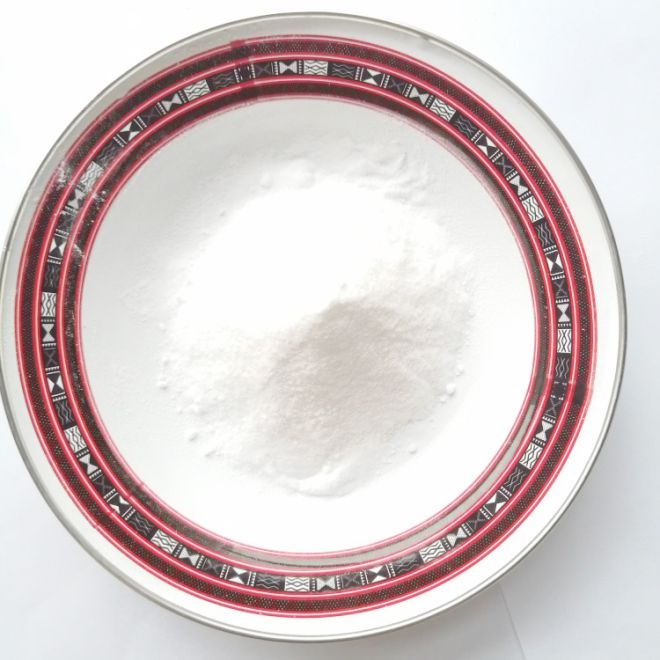
Buying black enamel frits wholesale can feel like picking the “right” black sock from a dryer full of strangers—everything looks the same, specs sound confusing, and you secretly worry you’ll choose the one that falls apart first.
This guide breaks down grades, compatibility, and quality checks into plain language, so you can buy confidently and avoid costly mistakes. It also follows best-practice standards for glass enamels referenced in ASTM C162, helping you match frits to your production needs.
1. 🎯 Understanding Black Enamel Frits: Basic Composition, Uses, and Advantages
Black enamel frits are finely milled glass materials fused onto metal to create a hard, glossy, and protective surface. New buyers value their rich color, durability, and wide industrial use.
They work well with Ground Coat Enamel Frits for Cookware, Household Appliance, Construction etc., forming a complete coating system from base layer to decorative top layer.
1.1 Basic Composition of Black Enamel Frits
Black frits are mainly glass-forming oxides with selected pigments and stabilizers. This mix gives strong color, smooth flow, and stable firing behavior on steel or cast iron.
- Glass matrix: silica, boron oxides
- Color: black metal oxides
- Additives: flow and adhesion modifiers
1.2 Common Industrial Uses
New buyers often choose black frits for cookware, ovens, water heaters, and architectural panels where long‑term color and easy cleaning are important.
- Cookware: pots, pans, grill plates
- Home appliances: oven cavities, panels
- Construction: cladding, signage, panels
1.3 Key Advantages for New Projects
Compared with paint, black enamel frits offer stronger chemical resistance, better scratch resistance, and color that does not fade under heat or UV.
| Feature | Benefit |
|---|---|
| High hardness | Improved scratch resistance |
| Heat stability | Stable color in ovens and grills |
| Chemical resistance | Easy cleaning and long life |
1.4 Matching with Other Surface Technologies
Black frits can combine with Enamel electrostatic powder is used for steel surface treatment to improve deposition, line speed, and coating consistency on complex metal parts.
- Good fit for automatic lines
- Stable coverage on edges
- Lower material waste
2. 🧪 Key Technical Parameters New Buyers Should Check Before Confirming Orders
Before you place a wholesale order, review the most important technical data. This reduces trial time, avoids defects, and protects your project cost and schedule.
Focus on firing range, thermal expansion, color strength, and particle size so the frit matches your metal substrate and production equipment.
2.1 Firing Temperature and Firing Window
Check the recommended firing peak and holding time. A wider firing window gives more flexibility on line speed and furnace control for new production teams.
| Type | Peak (°C) | Firing Window (°C) |
|---|---|---|
| Standard black | 800 | 40 |
| Low‑temp black | 760 | 35 |
2.2 Coefficient of Thermal Expansion (CTE)
CTE should match your steel or cast iron to avoid cracking or chipping when the product heats and cools repeatedly.
- Ask for CTE test data
- Match with substrate CTE range
- Do thermal cycling tests
2.3 Color Density, Gloss, and Coverage
Confirm color strength, opacity, and gloss level. A high hiding power black enamel frit can reduce coating thickness and firing passes.
- L*a*b* color values
- Gloss at 60° angle
- Film thickness vs. hiding
2.4 Particle Size Distribution and Flow
Stable particle size supports smooth surfaces and consistent deposition. Request lab reports and, if possible, simple comparative data analysis.
3. 🛡️ Safety, Storage, and Handling Tips for Black Enamel Frits
Safe use of black enamel frits protects workers, keeps materials stable, and ensures smooth firing results during mass production.
Clear rules on dust control, storage, and waste handling help new buyers set up lines quickly while meeting local safety standards.
3.1 Personal Protection and Workshop Practices
Control dust and avoid long skin contact. Train staff on safe transfer, mixing, and cleaning of frits and related powders.
- Use masks, gloves, safety glasses
- Install local exhaust systems
- Clean with vacuum, not dry sweeping
3.2 Storage Conditions and Shelf Life
Store in dry, cool, and clean areas. Keep bags or drums sealed to stop moisture and contamination, which can change flow and firing.
| Factor | Recommendation |
|---|---|
| Humidity | Below 60% RH |
| Temperature | 15–30°C |
| Shelf life | 12–24 months (check COA) |
3.3 Waste, Spill, and Environmental Care
Handle waste frit, sludge, and rinse water under local rules. Collect spills quickly and avoid discharge into normal drains.
- Use labeled waste containers
- Check local disposal rules
- Record batch and waste volumes
4. 🏭 Choosing Reliable Suppliers: Why Joylong Meets Industrial Standards and Stability
Supplier choice directly affects product quality, line stability, and total cost. New buyers should look beyond price to long‑term technical support.
Joylong focuses on consistent batches, clear data sheets, and strong after‑sales service for cookware, appliances, and construction enamel users.
4.1 Proven Industrial Experience and Application Cases
Joylong supports global buyers with enamel systems for cookware, home appliances, and building panels, including base coats and functional top coats.
- Multiple steel grades and substrates
- Gas and electric furnace lines
- Direct‑on and ground coat systems
4.2 Stable Quality Control and Testing
Each batch is tested for firing, CTE, color, and particle size. Buyers receive certificates to match internal quality requirements.
| Test item | Purpose |
|---|---|
| Firing test | Check gloss and defects |
| CTE | Match with metal |
| Color & gloss | Keep visual standard |
4.3 Technical Support and Process Optimization
Joylong helps adjust firing curve, slurry or powder settings, and surface prep. New buyers can shorten trials and reach stable mass production faster.
- On‑line or remote support
- Sample evaluations
- Process tuning suggestions
5. 📦 From Sample Testing to Bulk Supply: Joylong’s Support for New Projects
New buyers usually start with lab or pilot tests, then scale to regular bulk orders once the enamel line and product designs are confirmed.
Joylong guides you from first sample to stable multi‑ton shipments, including related materials like Boron carbide powder industrial-grade boron carbide powder where needed.
5.1 Sample Selection and Lab Evaluation
Share your substrate, target firing range, and appearance needs. Joylong recommends 1–3 candidate black frits for testing.
- Small bag samples
- Data sheet and firing curve
- Simple application notes
5.2 Pilot Line Trials and Parameter Tuning
Use pilot trials to fine‑tune thickness, drying, and furnace settings. Record results to build a clear production standard.
| Step | Target |
|---|---|
| Coating | Uniform wet film |
| Drying | No pinholes or cracks |
| Firing | Full gloss and adhesion |
5.3 Bulk Orders, Logistics, and Ongoing Service
Once approved, Joylong arranges bulk packing, shipping plans, and backup batches. Ongoing technical contact supports new products and line changes.
- Flexible packing sizes
- Lead time planning
- Regular feedback reviews
Conclusion
When you understand black enamel frit basics and key technical data, it becomes easier to choose the right material and protect your project budget.
Working with a stable supplier like Joylong helps new buyers move smoothly from lab tests to mass production while keeping consistent color, gloss, and performance.
Frequently Asked Questions about direct-on black enamel frits supplier wholesale
1. What is direct‑on black enamel frit?
Direct‑on black enamel frit is formulated to bond directly to steel or cast iron without a separate ground coat layer, saving process steps and firing time.
2. How do I choose the right firing temperature?
Use the supplier’s recommended firing range, then run small tests on your own furnace. Adjust peak temperature and holding time until gloss and adhesion are stable.
3. Can I use the same frit on different steel grades?
Sometimes, yes, but not always. Check CTE and adhesion on each steel grade. Ask your supplier for matching data and small test samples first.
4. What information should I send to a wholesale supplier?
Share metal type, product use, target color and gloss, firing equipment, and any standards you must meet. This helps the supplier suggest proper frits quickly.
5. How does MOQ usually work for wholesale orders?
Minimum order quantity depends on product type and packing. Many industrial frits start from several hundred kilograms to one ton per color or formulation.