


Picking enamel frits can feel like speed‑dating with glass powders—too glossy, too matte, wrong firing range, and suddenly your steel looks like it dressed in the dark.
Match frit type to substrate and operating conditions, then confirm thermal and corrosion performance with standards like ASTM E187 before production.
1. 🔧 Definition and Classification of Industrial Enamel Frit Types
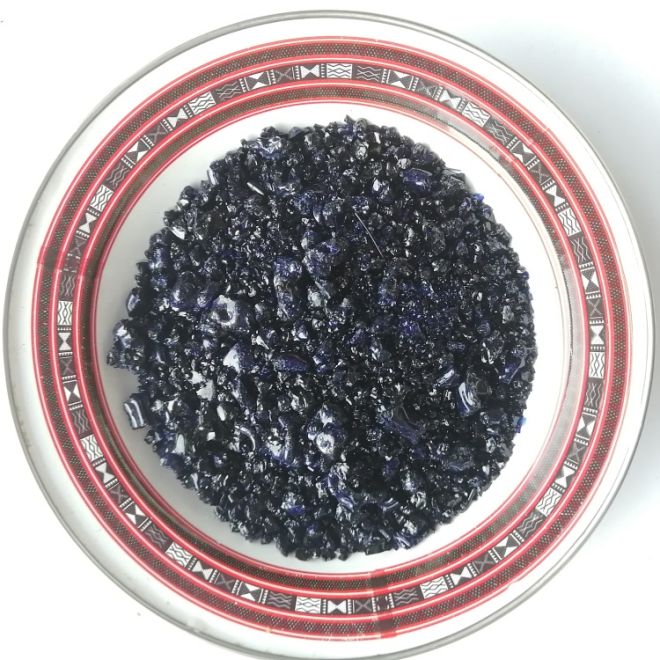
Industrial enamel frit is a glassy material melted and quenched into granules or powder. It fuses to metal surfaces, forming hard, decorative, and corrosion-resistant coatings.
Manufacturers adjust frit formulas to match metal type, firing temperature, and end-use demands such as chemical resistance, non-stick behavior, and color stability.
1.1 Ground Coat Frits
Ground coats bond firmly to steel or cast iron and create an even base for cover enamels.
- Strong adhesion and impact resistance
- Optimized for steel plates, vessels, and tanks
- Used in Ground Coat Enamel Frits for Cookware, Household Appliance, Construction etc.
1.2 Cover Coat Frits
Cover coats give final color, gloss, and surface properties such as easy-to-clean or non-stick finishes.
- Bright white, black, and custom colors
- Smooth surface with good stain resistance
- Typical for cookware, ovens, and bathtubs
1.3 Cast Iron Enamel Frits
These frits match the expansion of cast iron and resist thermal shock during repeated heating and cooling.
- High chip and crack resistance
- Stable color under high fire
- Designed for Cast Iron Enamel Frit for High End Enamel Cookware
1.4 Functional and Special Frits
Special frits add functions like anti-corrosion, anti-abrasion, or anti-fouling properties.
| Type | Main Function |
|---|---|
| Chemical-resistant | Protect tanks and pipes |
| Wear-resistant | Extend service life under abrasion |
| Electrically insulating | Improve safety in electrical parts |
2. 🧪 Chemical Compositions and Performance Characteristics of Common Frit Systems
Most enamel frits use silica, boron, and alkali oxides as the base glass, with selected additives to control melting, expansion, and surface qualities.
Formulators balance cost, firing window, chemical resistance, and color performance to meet strict standards in industry and consumer products.
2.1 Typical Oxide Composition Ranges
Common enamel frits contain SiO₂, B₂O₃, Na₂O/K₂O, Al₂O₃, and CaO/MgO in controlled ranges for flow, bonding, and durability.
| Oxide | Typical Range (%) |
|---|---|
| SiO₂ | 40–55 |
| B₂O₃ | 8–18 |
| Na₂O + K₂O | 10–18 |
| Al₂O₃ | 3–8 |
| CaO + MgO | 5–12 |
2.2 Performance Indicators
Key indicators include firing temperature, acid and alkali resistance, impact strength, and thermal shock resistance for repeated service cycles.
2.3 Example Property Comparison (Chart)
The chart below compares relative chemical resistance and impact strength of three common frit systems.
2.4 Color and Surface Behavior
Oxides like Co, Ni, Fe, and Ti adjust color, opacity, and gloss, while zircon and clay improve whiteness and surface hardness.
3. 🏭 Applications of Industrial Enamel Frit in Chemical Equipment and Storage Tanks
Industrial enamel linings protect steel tanks, reactors, and pipes from strong acids, alkalis, and solvents, greatly extending equipment life.
They also provide smooth, non-stick surfaces that limit product buildup and ease cleaning in chemical and pharmaceutical plants.
3.1 Enamelled Reactors
Reactors lined with enamel resist corrosion and keep product purity high during aggressive reactions.
- Handle acids, salts, and organics
- Stable under thermal cycling
- Easy to wash and inspect
3.2 Storage and Transport Tanks
Enamel frits protect tanks and tankers that store or move chemicals, water, and food ingredients.
| Tank Type | Benefit of Enamel |
|---|---|
| Chemical storage | High anti-corrosion performance |
| Potable water | Hygienic, smooth, inert lining |
| Food liquids | No taint, easy cleaning |
3.3 Process Piping and Fittings
Selected frits coat bends, valves, and pipe sections, offering long-term corrosion control with low maintenance.
4. 🚂 Enamel Frit Requirements for Household Appliances, Cookware, and Transportation Fields
Consumer and transport applications need enamel coatings that combine safety, attractive appearance, and high resistance to heat and wear.
Frits must also meet regional food-contact and environmental regulations while keeping production efficient.
4.1 Household Appliances
Ovens, washing machines, and heaters use cover coats for durable, easy-to-clean surfaces.
- High gloss and color stability
- Good resistance to detergents
- Uniform coverage on formed parts
4.2 Cookware Systems
Cookware needs smooth, chip-resistant interiors and decorative exteriors based on stable enamel frits.
- Safe for food contact
- Resist staining and burning
- Compatible with Cover Coat Enamel Frit for BBQ Oven, Grill and Enamel Bathtub
4.3 Transportation and Rail
Railway and automotive parts use enamel for weather resistance, signage clarity, and long-term color hold.
5. 📊 Key Factors in Selecting Industrial Enamel Frit and Joylong Product Advantages
Engineers must match frit type to metal substrate, firing process, and service environment to ensure coating reliability.
Joylong optimizes formulations to give stable production, strong adhesion, and consistent color for global users.
5.1 Technical Selection Criteria
Selection focuses on firing range, thermal expansion match, chemical resistance, and desired appearance.
| Factor | Key Check |
|---|---|
| Substrate | Steel vs cast iron vs alloy |
| Process | Firing temperature and time |
| Environment | Chemical type and temperature |
5.2 Production and Quality Stability
Controlled raw materials, precise melting, and fine milling give frits with repeatable flow and coating thickness.
5.3 Joylong Application Support
Joylong offers lab testing, enamel matching, and onsite guidance to shorten trial time and reduce production risk.
Conclusion
Industrial enamel frits give strong protection and attractive surfaces for chemical equipment, cookware, and appliances. Their glassy coatings resist chemicals, heat, and wear while staying easy to clean.
By understanding frit types, chemistry, and performance needs, engineers can partner with suppliers like Joylong to develop reliable, efficient, and safe enamel systems for demanding markets.
Frequently Asked Questions about industrial grade enamel frit
1. What is industrial enamel frit made from?
Industrial enamel frit mainly contains silica, boron oxide, alkali oxides, alumina, and alkaline earth oxides. These materials melt into glass, then cool and grind into frit particles.
2. How does enamel frit bond to metal?
During firing, frit softens and wets the metal surface. Chemical and mechanical bonding occur as the glass flows, dissolves a thin metal layer, and then cools to a strong, adherent coating.
3. Can one frit type suit both steel and cast iron?
Usually no. Steel and cast iron have different thermal expansion and firing behavior. Each substrate needs tailored ground and cover coats to avoid cracks and poor adhesion.
4. Why choose enamel instead of stainless steel alone?
Enamelled steel can offer better chemical resistance, non-stick properties, and color options at lower cost. It also gives a very smooth surface that resists fouling and is easy to clean.
5. How do I select the right frit for my process?
Define substrate, firing equipment, operating temperature, and chemical exposure. Then work with a frit supplier to test suitable systems and fine-tune application and firing conditions.