

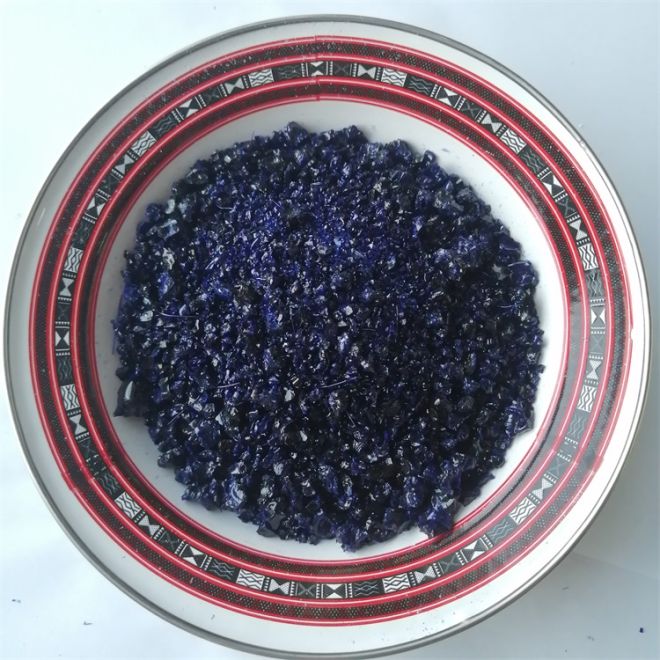
Tired of steel sheets that chip, rust, and generally act like drama queens under stress? Enamel cover coat frit powder steps in like armor, turning flimsy-looking metal into a smooth, glossy, kitchen‑ready superhero.
To fix those headaches, apply enamel cover coat frit powder for strong adhesion, impact resistance, and lasting shine; this boosts corrosion protection and hygiene, as confirmed by enamel performance studies in industrial coatings (authoritative report).
1. ⭐ Basic properties and composition of enamel cover coat frit powder
Enamel cover coat frit powder forms a smooth, glossy layer on steel sheet. It protects against rust, chemicals, and heat while giving strong color and clean appearance.
The frit is a pre-melted glass powder with controlled particle size, designed to bond well with ground coat and resist chipping during daily use.
1.1 Glassy matrix and key oxides
The frit base is a borosilicate or alkaline-borosilicate glass with added metal oxides for color, hardness, and controlled thermal expansion.
- Silica: main glass former
- Boron oxide: lowers melting point
- Alkali oxides: adjust flow and adhesion
- Color oxides: white, black, or vivid shades
1.2 Particle size and flow behavior
Stable cover coat performance depends on tight control of grain size, usually between 120–200 mesh for steel sheet wet application lines.
| Parameter | Typical Range |
|---|---|
| Mean particle size | 60–120 μm |
| Residue on 200 mesh | <1.0% |
| Slurry viscosity | 20–40 s (Ford cup #4) |
1.3 Compatibility with ground coat and steel
The cover coat must match the thermal expansion of the ground coat and steel substrate to avoid stress and microcracks after firing.
- Designed to pair with low-carbon steel sheets
- Matched to standard steel enamel ground coats
- Reduces risk of crazing and fish scaling
1.4 Color, opacity, and special effects
Formulators add opacifiers and pigments to control hiding power and gloss, from pure white to deep color effects on steel sheet parts.
- Titanium dioxide for strong opacity
- Zircon compounds for hardness and white tone
- Metallic pigments for decorative finishes
2. 🔧 Key steps for applying frit powder on steel sheet surfaces
Good preparation and stable enamel slurry give uniform cover coat. Each step, from cleaning to firing, strongly affects coating strength and surface quality.
Control of thickness, drying, and firing window helps avoid pinholes, crawling, and color defects on enameled steel sheet components.
2.1 Surface pretreatment and cleaning
Clean steel surfaces give strong bonding with the enamel ground and cover coats, reducing defects such as fish scaling and poor adhesion.
- Degreasing: remove oil and rolling residues
- Pickling or shot blasting: remove rust scale
- Water rinse and dry storage before enameling
2.2 Slurry preparation and control
Stable frit slurry ensures easy application and even layer thickness across large steel sheets or formed components.
| Control Item | Target |
|---|---|
| Solid content | 55–65% |
| Specific gravity | 1.7–1.9 g/cm³ |
| pH | 8.0–9.0 |
2.3 Application methods on steel sheet
Factories choose methods based on line speed, product shape, and required film thickness of the enamel cover coat.
- Wet spray: flexible for complex shapes
- Flow coating: efficient for panels
- Dip enameling: strong wraparound coverage
2.4 Drying, handling, and layering
Careful drying prevents runs and dust marks, supports double-coat processes, and lowers damage before firing.
| Step | Typical Condition |
|---|---|
| Drying temperature | 80–120°C |
| Drying time | 10–20 minutes |
| Handling | Avoid impact and vibration |
3. 🧪 Firing temperature, time, and kiln settings for stable enamel coating
Correct firing brings full gloss and bonding. Too low or too high temperatures quickly cause color changes and surface defects.
Stable kiln control lowers rejects and keeps color, gloss, and thickness consistent between production batches of steel sheet parts.
3.1 Optimal firing temperature window
Cover coat frits for steel sheet usually fire at medium temperatures, which allow strong fusion without over-burning or warping the metal.
| Item | Typical Value |
|---|---|
| Firing peak | 800–850°C |
| Soak time | 3–6 minutes |
| Heating rate | 8–12°C/min |
3.2 Kiln atmosphere and air flow
Balanced air flow helps burn organic binders, avoid pinholes, and keep even temperature distribution along the furnace length.
- Uniform circulation across belt width
- Clean combustion to limit fumes
- Stable pressure to reduce cold spots
3.3 Time–temperature curves and cooling
Controlled cooling after peak temperature relieves stress, keeps gloss, and protects against sharp thermal shock cracks.
- Use defined firing curves for each frit
- Avoid sudden cold air at furnace exit
- Check color and gloss against standards
4. 🛡 Common enamel coating defects and effective troubleshooting methods
Even with good frit, poor process control can cause defects. Check the full chain: steel quality, cleaning, slurry, application, and firing.
Systematic troubleshooting cuts waste, keeps coating quality stable, and supports repeatable enameling on large steel sheet volumes.
4.1 Pinholes, bubbles, and craters
These issues often come from gas release, dirt, or poor drying. Adjust cleaning, drying time, and firing to limit trapped gases.
| Defect | Main Cause | Fix |
|---|---|---|
| Pinholes | Moisture, dust | Improve filtration, longer drying |
| Bubbles | Fast heating | Reduce heating rate |
| Craters | Oil spots | Better degreasing |
4.2 Poor adhesion and chipping
Adhesion problems can show as flaking at edges or sharp bends. Check steel grade, ground coat, and firing temperature first.
- Verify correct ground coat selection
- Keep steel surface active, rust-free
- Stay within the frit firing window
4.3 Color, gloss, and thickness variation
Color shift or patchy gloss usually comes from unstable slurry, uneven coating, or varying firing conditions on the line.
- Control slurry density and pH daily
- Calibrate spray guns and flow systems
- Map kiln temperature across all zones
5. 🏭 Why Joylong frit powder suits industrial steel sheet enameling
Joylong designs frit systems for reliable steel sheet enameling, from cookware and ovens to industrial panels and chemical equipment.
Stable glass formulation, strong technical support, and matched product lines help lower defects and keep your line output consistent.
5.1 Complete product range for different substrates
Joylong offers frit solutions for steel, cast iron, and special applications where high chemical or thermal resistance is needed.
- Direct On Enamel Frit Applied to Enamel Cookware / Gas stove / BBQ.
- Transparent Enamel Frit for Cookware, BBQ Oven,Enamel Reactor etc.
- Cast Iron Enamel Frit for High End Enamel Cookware
5.2 Consistent quality and process support
Each frit batch is tested for melting behavior, color, and expansion to keep production lines stable and reduce time spent on adjustments.
- Lab support for curve setting and trials
- Guidance on cleaning, slurry, and firing
- Custom colors for branded products
5.3 Cost and efficiency benefits
Optimized frit and technical advice help reduce rejects, energy use, and rework, giving more usable square meters per firing cycle.
| Benefit | Impact |
|---|---|
| Lower defect rate | Less scrap and sorting work |
| Stable firing | Energy savings per batch |
| High coverage | Reduced material use |
Conclusion
Enamel cover coat frit powder protects steel sheet and adds color, gloss, and easy-to-clean surfaces. Reliable frit, clean steel, and stable firing curves work together to keep defects low.
By using well-matched Joylong systems and careful process control, manufacturers can achieve durable, consistent enamel coatings that meet strict industrial and food-contact standards.
Frequently Asked Questions about Enamel Cover coat frits powder for steel sheet
1. What thickness is best for enamel cover coat on steel sheet?
Most steel sheet products use a dry cover coat thickness of 120–180 μm. Too thin reduces hiding and corrosion resistance; too thick raises risk of chipping and crawling.
2. Can I fire cover coat and ground coat in one step?
Many systems still use two firings for best adhesion and color. Some modern direct-on frits allow one firing, but you must follow the supplier’s curve and tests.
3. How do I choose firing temperature for a new frit?
Start from the supplier’s recommended window, then run test coupons at ±10–20°C. Compare gloss, color, and defects, and select the best balance for your line.