


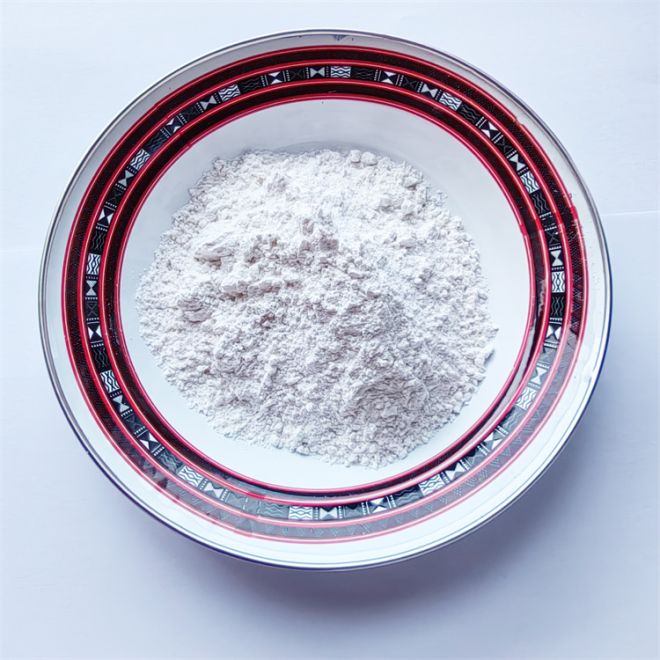
Struggling to buy enamel frits without frying your budget feels like trying to glaze a bathtub with a teaspoon—messy, slow, and weirdly expensive for something that’s supposed to be “just glass powder.”
To fix this, use volume-based contracts, diversify suppliers, and track price trends with data-backed benchmarks from the OECD procurement reports to negotiate smarter and cut total frit costs.
📌 Forecasting Enamel Frit Demand and Optimizing Order Batching for 2026
Accurate demand forecasts in 2026 help enamel frit buyers control costs, avoid rush premiums, and reduce stockouts. Use simple, data-based methods and clear batching rules.
Align forecasts with confirmed projects, appliance launch cycles, and raw material plans to keep frit quality stable while lowering total landed cost.
1. Building a Simple Forecast Model
Use the past 12–24 months of frit usage, seasonality, and confirmed customer orders to project monthly needs for 2026.
- Combine sales plans and production schedules
- Adjust for product mix and color changes
- Review and update forecasts each month
2. Optimizing Order Batching and MOQs
Batch orders to meet economic lot sizes while staying under storage limits and cash constraints.
- Use weekly or bi-weekly order cycles
- Group close shades or similar frit types
- Share forecasts with suppliers to reduce MOQs
3. Coordinating with Key Raw Materials
Link frit plans with critical inputs such as Boron Nitride, opacifiers, and fluxes to avoid line stops.
| Item | Lead Time | Safety Stock |
|---|---|---|
| Base frit | 3–4 weeks | 2 weeks |
| Color frit | 4–6 weeks | 3 weeks |
4. Scenario Planning for 2026 Volatility
Create low, medium, and high demand scenarios and link each to clear order rules, safety stock, and freight choices.
- Low: smaller, more frequent orders
- Base: standard batch sizes
- High: pre-book capacity with suppliers
📌 Cost-Benefit Analysis of Local Versus International Enamel Frit Sourcing
Compare landed cost, lead time, and risk when choosing local or overseas frit suppliers. A blended strategy often gives the best balance.
Use simple cost models and live data to adjust volumes between sources as prices, freight, and currency change.
1. Mapping Total Landed Cost
Look beyond unit price and include freight, duties, insurance, and handling in your cost comparison.
| Source | Unit Price | Freight | Duty | Landed Cost |
|---|---|---|---|---|
| Local | 100 | 10 | 0 | 110 |
| International | 90 | 15 | 5 | 110 |
2. Lead Time and Safety Stock Impact
Longer lead times from overseas sources increase safety stock and working capital, even when the unit price looks lower.
- Local: shorter lead time, lower safety stock
- International: longer lead time, higher safety stock
3. Risk, Compliance, and Quality Stability
Assess political risk, transport delays, and quality drift. Include audits and lab checks for both local and global partners.
- Monitor defect trends by source
- Align specs and test methods
- Include recall and rework cost in analysis
4. Visualizing Cost Scenarios with ECharts
Use simple charts to track and compare monthly costs from local and international sources and adjust sourcing shares quickly.
📌 Reducing Waste in Enamel Frit Handling Through Process Standardization
Standard handling rules reduce frit loss, contamination, and rework. They also improve safety and keep coating performance stable.
1. Standard Operating Procedures for Handling
Write clear loading, transfer, and cleaning steps, and train operators with photos and short videos.
- Fixed tools and labels for each frit type
- Checklists at key points
2. Container, Labeling, and Storage Rules
Use sealed, labeled containers and clean storage zones. Separate different frits to avoid mix-ups and moisture.
| Area | Rule |
|---|---|
| Storage | FIFO and clear aisle marks |
| Line-side | Small, closed bins only |
3. Measuring Loss and Continuous Improvement
Track frit input, usage, and waste at each line, then solve top loss causes in simple weekly reviews.
- Set target loss percentage
- Share best practices across shifts
📌 Negotiating Long-Term Supply Agreements with Joylong for Stable Frit Pricing
Long-term contracts with Joylong can lock in stable enamel frit prices and secure capacity through 2026.
1. Setting Volume and Flexibility Bands
Define base annual volume plus flexibility ranges to cover demand swings without constant renegotiation.
- Base: 100% planned volume
- Flex band: ±20% with agreed notice
2. Price Adjustment and Index Linking
Use clear formulas that link prices to key inputs like energy or High-purity industrial-grade white powder sodium fluorosilicate.
| Driver | Adjustment Rule |
|---|---|
| Energy | Quarterly index review |
| Key raw | Pass-through above set threshold |
3. Service Levels, Quality, and Joint Planning
Include clear OTIF targets, quality KPIs, and regular S&OP meetings with Joylong to align demand and supply.
- Monthly joint forecast review
- Shared safety stock for critical frits
📌 Integrating Inventory Management Software to Lower Enamel Frit Holding Costs
Simple inventory tools help you see stock in real time, cut excess frit, and avoid emergency shipments.
1. Real-Time Visibility and Basic Automation
Connect warehouse, production, and purchasing so everyone sees the same stock numbers and alerts.
- Barcode or RFID for each batch
- Automatic re-order triggers
2. Setting Safety Stock and Reorder Points
Use lead time, demand variability, and service targets to set safety stock and reorder points for each frit family.
| Frit Type | Lead Time | Safety Stock |
|---|---|---|
| White base | 30 days | 20 days |
| Colored | 40 days | 25 days |
3. ABC Classification and Review Cycles
Classify frits by value and usage. Review A items weekly, B monthly, and C quarterly to keep the system lean.
- A: tight control and forecasts
- B: standard review
- C: simple min–max rules
Conclusion
Cost-effective enamel frit procurement in 2026 needs clear forecasts, smart sourcing mixes, and strong process discipline. Use standard handling rules and inventory tools to cut waste and holding costs.
Long-term cooperation with suppliers like Joylong, supported by data and simple dashboards, helps you hold stable prices, steady quality, and reliable supply for demanding appliance lines.
Frequently Asked Questions about durable enamel frits for home appliances wholesale
1. What makes an enamel frit durable for home appliances?
Durable frits offer strong adhesion, high chip resistance, and good thermal shock performance. They keep color and gloss under daily heat, steam, and cleaning cycles.
2. How can I reduce frit cost without losing quality?
Optimize batching, improve yield, and secure long-term prices with reliable suppliers. Use standard processes and quality checks to avoid rework and scrap.
3. Should I use one supplier or multiple suppliers?
A dual-sourcing model is often best. Keep a main partner for volume and consistency, plus a secondary source for risk control and limited competition.
4. How does Joylong support stable supply for large appliance lines?
Joylong offers technical support, flexible long-term contracts, and coordinated planning. They also supply related materials like Borate Fertilizer/Boron Fertilizer for broader process needs.